
https://www.developmentaid.org/news-stream/post/147711/a-brief-history-of-the-asian-development-bank
Middle East conflict impacts Asia’s economic growth, ADB reports
China annual GDP growth 2026
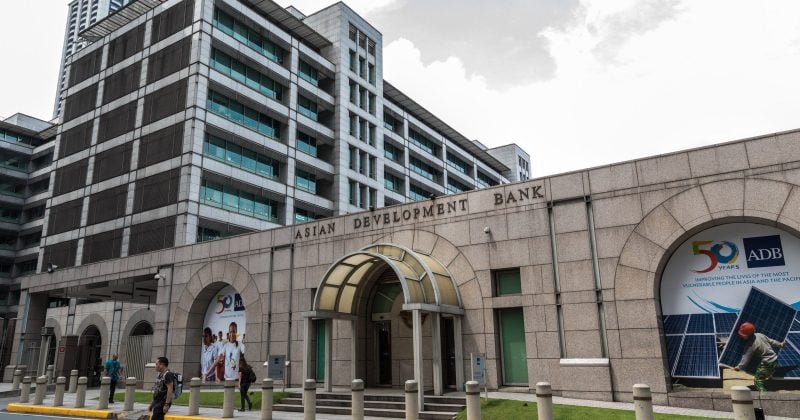
The Asian Development Bank (ADB) has reported that economic growth across Asia is expected to stay subdued despite a modest improvement in outlook. This is attributed to ongoing disruptions from the Middle East conflict, which continue to affect supply chains and production costs. The conflict, notably marked by the closure of the Strait of Hormuz, has caused significant disruptions, leading to the largest oil supply interruption in global history. This situation has resulted in sharply increased energy prices, with Brent Crude surpassing $120 per barrel and Asian LNG spot prices more than doubling, impacting economic growth forecasts in the region.
The ADB’s report has implications for China’s 2026 GDP growth projections. Current market indicators suggest a shifting sentiment towards expectations of subdued growth, with China’s GDP growth projected to moderate to 4.6% in 2026 amid these challenges. The market pricing for scenarios where China’s 2026 GDP growth falls below 1.0% has seen a modest increase, reflecting concerns about prolonged disruptions affecting economic stability.
In the prediction markets, the odds for China’s 2026 GDP growth to be below 1.0% have shown a slight increase, suggesting that market participants are factoring in potential economic headwinds. Meanwhile, the sub-market pricing for China’s GDP growth to fall between 4.0% and 5.0% remains high, indicating a strong expectation of moderate growth amidst these disruptions.
Key Takeaways
- Market activity suggests increased concern about China’s GDP growth falling below 1.0% in 2026 due to Middle East conflict impacts.
- ADB’s report highlights the ongoing economic challenges in Asia, with supply chain disruptions affecting growth forecasts.
- Predominant market pricing supports scenarios where China’s GDP growth remains within the 4.0% to 5.0% range for 2026.
What to Watch
Observers should monitor developments in the Middle East for potential further disruptions that could impact energy prices and supply chains. Key statements or policy adjustments from Chinese economic authorities, such as the National Bureau of Statistics or the Ministry of Finance, could provide additional guidance on economic expectations. Adjustments in international forecasts from major financial institutions like the IMF or World Bank may also influence market pricing in the coming months.