
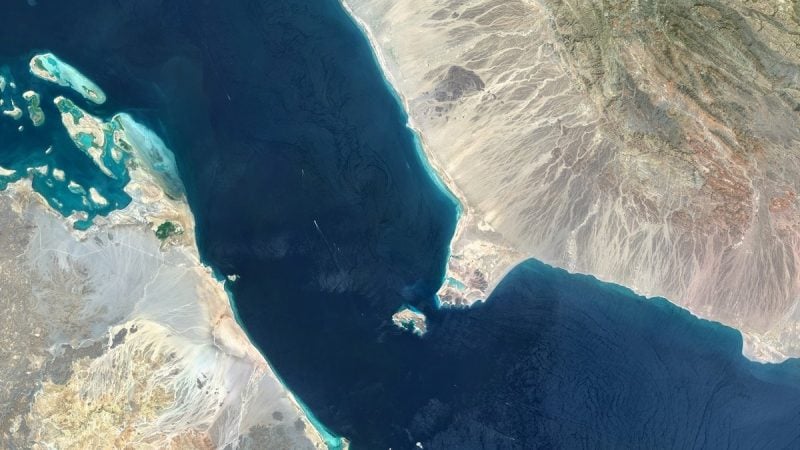
Middle East tensions and Strait of Hormuz closure impact oil prices
WTI Crude Oil Prices in May 2026
## Market Snapshot
WTI Crude Oil Prices in May 2026 are under scrutiny, with current market activity suggesting uncertainty about reaching a $150 price point. While the supply disruption from the Middle East persists, the market’s current pricing does not fully reflect the potential for further increases.
## Key Takeaways
– Market activity suggests participants may underestimate the duration and severity of the Middle East supply disruption. – The ongoing closure of the Strait of Hormuz is consistent with scenarios where WTI prices could rise further. – Recent price increases of over $30 per barrel since late February indicate that geopolitical tensions continue to have a significant impact.
## Article Body
The oil futures market has been slow to adjust to the prolonged supply shock originating from the Middle East. Following military actions by the U.S. and Israel against Iran, which resulted in the closure of the Strait of Hormuz, a critical global oil supply route, the market has seen significant disruptions. The International Energy Agency has described this as the largest supply disruption in history, with potential shut-ins of over 12 million barrels per day if the closure continues. Despite these challenges, the futures market’s response, with a $30 increase since late February, suggests that market participants may not fully account for the ongoing risks and potential longevity of the situation.
## Market Interpretation
The market’s current behavior appears consistent with an increased probability of WTI crude oil prices reaching $150 in May, reflecting the severe supply disruptions. This interpretation is supported by the ongoing geopolitical tensions and the effective closure of the Strait of Hormuz. The impact is considered moderate, as markets are still adjusting to the prolonged nature of these disruptions, which could lead to further price volatility.
Macro, rates, and crypto—what moved markets and what matters next.
Daily. Free. Join 34,000+ readers across crypto, finance, and policy.
## What to Watch
Observers should monitor developments in U.S.-Iran relations and any potential military actions that could further affect the Strait of Hormuz’s status. Key indicators include announcements from the U.S. Energy Information Administration regarding oil supply forecasts and geopolitical updates from involved nations. Additionally, shifts in futures pricing on platforms like the CME could provide further insight into market expectations for crude oil prices.
Get live prediction-market analysis, powered by Vera. Sign up for Vera.