
Nexo Earn with Nexo
Stephen Miller warns Iran of severe military consequences if it rejects US deal

Stephen Miller warns Iran of severe military consequences if it rejects US deal

The White House Deputy Chief of Staff says the US holds all the leverage and Iran faces 'severe military punishment' if diplomacy fails.

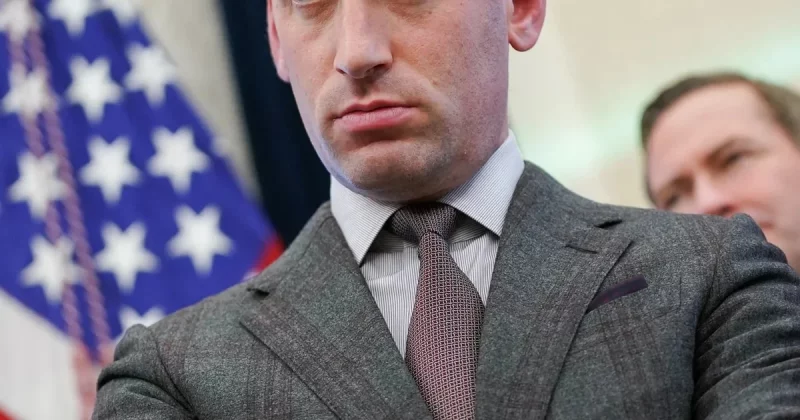
White House Deputy Chief of Staff Stephen Miller delivered a blunt message to Tehran: accept a deal with the United States, or face severe military consequences. The warning, issued on Fox News, represents the latest escalation in rhetoric from an administration that has made confronting Iran a centerpiece of its foreign policy.

Miller framed the situation as one of overwhelming American dominance. He asserted that the US holds all the leverage in the standoff with Iran, describing the US embargo of Iranian ports as “resetting the entire global order.”

Maximum pressure, maximum volume

The posture isn’t exactly new. It’s an extension of the “maximum pressure” campaign that began after the US withdrew from the Iran nuclear deal, formally known as the JCPOA, in 2018. That campaign has included waves of sanctions, military posturing, and diplomatic isolation designed to force Tehran back to the negotiating table on Washington’s terms.

Advertisement

What’s different now is the directness of the threat. Previous iterations of maximum pressure left the military option as subtext. Miller skipped the subtlety entirely, stating plainly that Iran must accept a US deal or face severe military punishment.

What a conflict could look like

Analysts have long warned that a military confrontation with Iran would not resemble a contained, surgical operation. The country sits along the Strait of Hormuz, through which a significant portion of the world’s oil supply flows daily. Any disruption there ripples through global energy markets almost immediately.

Beyond geography, Iran maintains a network of proxy forces across the Middle East, from Hezbollah in Lebanon to militias in Iraq and the Houthis in Yemen. A direct conflict with Tehran could rapidly escalate into a regional war involving multiple fronts and actors.

What this means for crypto investors

Geopolitical tensions involving Iran have historically driven investment into safe-haven assets. Gold is the traditional beneficiary, but Bitcoin has increasingly played that role during moments of global instability.

Iran itself has been linked to Bitcoin mining operations as a way to generate revenue outside the reach of international sanctions. If military action disrupts those operations, it could have a marginal effect on global hashrate, though Iran’s share of total Bitcoin mining has fluctuated significantly over the years and is not large enough to pose a systemic risk to the network.

What’s worth watching is whether Miller’s comments represent a genuine policy shift toward military action or whether this is negotiating theater designed to bring Iran to the table. For now, the smart move is to watch what the administration does with sanctions enforcement and military deployments, not just what it says on television.

Disclosure: This article was edited by Editorial Team. For more information on how we create and review content, see our Editorial Policy.

Stephen Miller warns Iran of severe military consequences if it rejects US deal

Stephen Miller warns Iran of severe military consequences if it rejects US deal

The White House Deputy Chief of Staff says the US holds all the leverage and Iran faces 'severe military punishment' if diplomacy fails.

White House Deputy Chief of Staff Stephen Miller delivered a blunt message to Tehran: accept a deal with the United States, or face severe military consequences. The warning, issued on Fox News, represents the latest escalation in rhetoric from an administration that has made confronting Iran a centerpiece of its foreign policy.

Miller framed the situation as one of overwhelming American dominance. He asserted that the US holds all the leverage in the standoff with Iran, describing the US embargo of Iranian ports as “resetting the entire global order.”

Maximum pressure, maximum volume

The posture isn’t exactly new. It’s an extension of the “maximum pressure” campaign that began after the US withdrew from the Iran nuclear deal, formally known as the JCPOA, in 2018. That campaign has included waves of sanctions, military posturing, and diplomatic isolation designed to force Tehran back to the negotiating table on Washington’s terms.

Advertisement

What’s different now is the directness of the threat. Previous iterations of maximum pressure left the military option as subtext. Miller skipped the subtlety entirely, stating plainly that Iran must accept a US deal or face severe military punishment.

What a conflict could look like

Analysts have long warned that a military confrontation with Iran would not resemble a contained, surgical operation. The country sits along the Strait of Hormuz, through which a significant portion of the world’s oil supply flows daily. Any disruption there ripples through global energy markets almost immediately.

Beyond geography, Iran maintains a network of proxy forces across the Middle East, from Hezbollah in Lebanon to militias in Iraq and the Houthis in Yemen. A direct conflict with Tehran could rapidly escalate into a regional war involving multiple fronts and actors.

What this means for crypto investors

Geopolitical tensions involving Iran have historically driven investment into safe-haven assets. Gold is the traditional beneficiary, but Bitcoin has increasingly played that role during moments of global instability.

Iran itself has been linked to Bitcoin mining operations as a way to generate revenue outside the reach of international sanctions. If military action disrupts those operations, it could have a marginal effect on global hashrate, though Iran’s share of total Bitcoin mining has fluctuated significantly over the years and is not large enough to pose a systemic risk to the network.

What’s worth watching is whether Miller’s comments represent a genuine policy shift toward military action or whether this is negotiating theater designed to bring Iran to the table. For now, the smart move is to watch what the administration does with sanctions enforcement and military deployments, not just what it says on television.

Disclosure: This article was edited by Editorial Team. For more information on how we create and review content, see our Editorial Policy.