
Nexo Earn with Nexo
Several Americans hurt in missile attack on Kuwaiti air base as Bitcoin drops below $73K

Several Americans hurt in missile attack on Kuwaiti air base as Bitcoin drops below $73K

An Iranian ballistic missile strike on Ali Al Salem Air Base injured five Americans and destroyed two US drones, sending crypto markets into a nearly $1 billion liquidation spiral.

An Iranian ballistic missile struck Ali Al Salem Air Base in Kuwait on May 28, injuring five Americans and obliterating two US military drones. Within hours, Bitcoin had cratered below $73,000 and nearly $1 billion in crypto positions were liquidated across the market.

What happened at Ali Al Salem

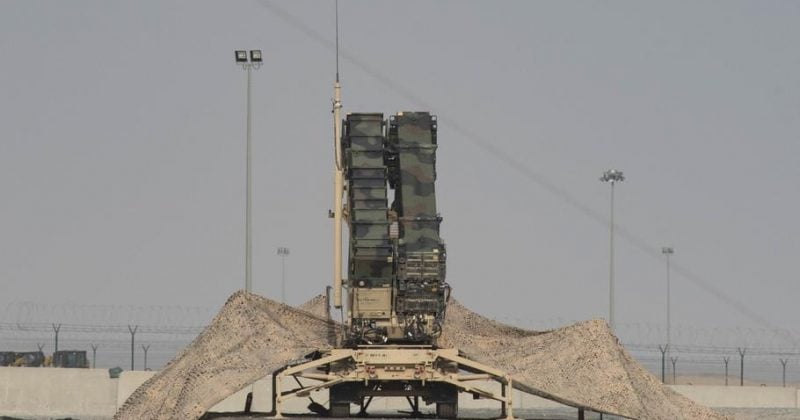
Kuwaiti air defenses intercepted the incoming ballistic missile, but debris from the interception still managed to impact the facility. The five Americans injured included both contractors and active-duty military personnel, with injuries described as minor.

Two MQ-9 Reaper drones stationed at the base sustained severe damage. Those are the unmanned surveillance and strike aircraft that form a backbone of US intelligence operations across the Middle East, each valued in the tens of millions of dollars.

US Central Command called the attack an “egregious violation of the ceasefire agreement” between the US and Iran.

Advertisement

Ali Al Salem was previously hit in February, March, and April of 2026, making this the fourth strike in roughly as many months. The ceasefire negotiations, ongoing under President Trump, now face the kind of credibility problem that’s hard to paper over.

Crypto’s geopolitical nerve got hit too

Bitcoin fell below $73,000 in the hours following the strike, part of a broader risk-off move that swept through digital assets. Liquidations across crypto markets hit an estimated $958 million to $1 billion, reflecting how leveraged traders were heading into the event.

Traders running leveraged long positions got caught on the wrong side of a sudden downdraft. When prices drop fast enough to trigger margin calls, forced selling creates more selling, which triggers more margin calls.

This is the fourth time this year that a strike on Ali Al Salem has coincided with notable crypto volatility.

The Iran-crypto connection adds another wrinkle

Iran’s use of digital assets to circumvent international sanctions is well-documented by prior reporting. While there’s no evidence that any specific tokens or crypto projects were directly tied to this particular strike, the broader context matters for investors.

The failed ceasefire talks compound this risk. A negotiated agreement might have eventually created space for sanctions relief, reducing Iran’s incentive to use crypto as a financial workaround. Without that agreement, the sanctions regime stays in place, and so does the regulatory pressure on digital assets that might be used to evade it.

What this means for investors

Four strikes on the same base in four months suggests a pattern of escalation, not an isolated incident. Investors running leveraged positions in this environment are essentially betting that diplomacy will succeed faster than missiles can fly.

Disclosure: This article was edited by Editorial Team. For more information on how we create and review content, see our Editorial Policy.

Several Americans hurt in missile attack on Kuwaiti air base as Bitcoin drops below $73K

Several Americans hurt in missile attack on Kuwaiti air base as Bitcoin drops below $73K

An Iranian ballistic missile strike on Ali Al Salem Air Base injured five Americans and destroyed two US drones, sending crypto markets into a nearly $1 billion liquidation spiral.

An Iranian ballistic missile struck Ali Al Salem Air Base in Kuwait on May 28, injuring five Americans and obliterating two US military drones. Within hours, Bitcoin had cratered below $73,000 and nearly $1 billion in crypto positions were liquidated across the market.

What happened at Ali Al Salem

Kuwaiti air defenses intercepted the incoming ballistic missile, but debris from the interception still managed to impact the facility. The five Americans injured included both contractors and active-duty military personnel, with injuries described as minor.

Two MQ-9 Reaper drones stationed at the base sustained severe damage. Those are the unmanned surveillance and strike aircraft that form a backbone of US intelligence operations across the Middle East, each valued in the tens of millions of dollars.

US Central Command called the attack an “egregious violation of the ceasefire agreement” between the US and Iran.

Advertisement

Ali Al Salem was previously hit in February, March, and April of 2026, making this the fourth strike in roughly as many months. The ceasefire negotiations, ongoing under President Trump, now face the kind of credibility problem that’s hard to paper over.

Crypto’s geopolitical nerve got hit too

Bitcoin fell below $73,000 in the hours following the strike, part of a broader risk-off move that swept through digital assets. Liquidations across crypto markets hit an estimated $958 million to $1 billion, reflecting how leveraged traders were heading into the event.

Traders running leveraged long positions got caught on the wrong side of a sudden downdraft. When prices drop fast enough to trigger margin calls, forced selling creates more selling, which triggers more margin calls.

This is the fourth time this year that a strike on Ali Al Salem has coincided with notable crypto volatility.

The Iran-crypto connection adds another wrinkle

Iran’s use of digital assets to circumvent international sanctions is well-documented by prior reporting. While there’s no evidence that any specific tokens or crypto projects were directly tied to this particular strike, the broader context matters for investors.

The failed ceasefire talks compound this risk. A negotiated agreement might have eventually created space for sanctions relief, reducing Iran’s incentive to use crypto as a financial workaround. Without that agreement, the sanctions regime stays in place, and so does the regulatory pressure on digital assets that might be used to evade it.

What this means for investors

Four strikes on the same base in four months suggests a pattern of escalation, not an isolated incident. Investors running leveraged positions in this environment are essentially betting that diplomacy will succeed faster than missiles can fly.

Disclosure: This article was edited by Editorial Team. For more information on how we create and review content, see our Editorial Policy.