
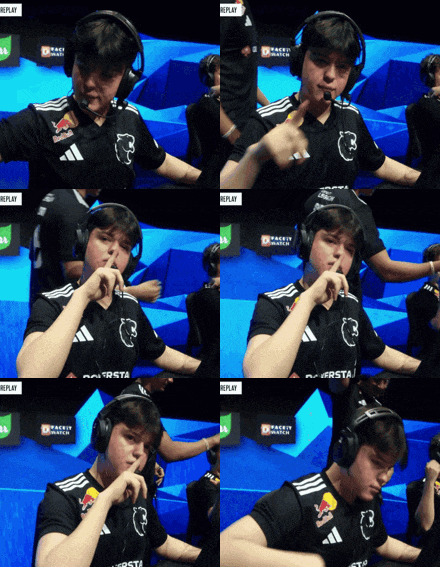
U22 talents shine at IEM Cologne 2026, with molodoy leading FURIA to 2nd place finish

U22 talents shine at IEM Cologne 2026, with molodoy leading FURIA to 2nd place finish

The 21-year-old Kazakh AWPer's breakout Major run highlights a generational shift in Counter-Strike, while crypto's total absence from the event tells its own story

FURIA Esports walked away from IEM Cologne 2026 with $170,000 and a second-place finish, powered in large part by 21-year-old AWPer Danil “molodoy” Golubenko. The Kazakh AWPer, already named Rookie of the Year in 2025, cemented his status as one of Counter-Strike 2’s most dangerous young players on the biggest stage the game has to offer.

Team Falcons took the title at the LANXESS Arena. And for anyone in the crypto space watching, IEM Cologne 2026 carried a quieter but equally significant storyline: zero crypto, blockchain, or Web3 sponsorships anywhere in sight.

Molodoy’s Major moment

The IEM Cologne Major 2026, the fifth CS2 Major Championship, ran from June 2 to 21 in Cologne, Germany, featuring 32 teams competing for a $1.25 million prize pool.

Advertisement

FURIA’s run to the grand final leaned heavily on molodoy’s AWP work. The 21-year-old has been building momentum since earning a Top 6 ranking and Rookie of the Year honors in 2025, and this Major served as a confirmation rather than a revelation.

FURIA’s $170,000 runner-up prize is a solid financial result, but the real value is harder to quantify. A deep Major run with a young star builds the kind of brand equity that attracts better teammates, bigger sponsorships, and more fan engagement.

Crypto’s vanishing act from esports

IEM Cologne 2026 marked the first CS2 Major with absolutely no crypto, blockchain, NFT, or Web3 integrations of any kind. No exchange logos on jerseys. No token-gated fan experiences. No blockchain-based tournament brackets. Nothing.

This is a stark reversal from previous iterations of the event, which regularly featured digital asset branding.

What this means for investors

The disappearance of crypto sponsorships from a premier esports event with a $1.25 million prize pool and 32 international teams should prompt some honest reflection from the digital assets industry.

For investors evaluating crypto projects with esports integration as part of their growth thesis, this trend is a yellow flag. The complete evaporation of these deals suggests the return on investment wasn’t materializing in ways that justified the spend.

On the flip side, esports organizations like FURIA appear to be building more diversified revenue streams. A second-place Major finish generates merchandise sales, streaming revenue, and traditional sponsorship interest that doesn’t depend on the crypto market cycle.

Disclosure: This article was edited by Editorial Team. For more information on how we create and review content, see our Editorial Policy.

U22 talents shine at IEM Cologne 2026, with molodoy leading FURIA to 2nd place finish

U22 talents shine at IEM Cologne 2026, with molodoy leading FURIA to 2nd place finish

The 21-year-old Kazakh AWPer's breakout Major run highlights a generational shift in Counter-Strike, while crypto's total absence from the event tells its own story

FURIA Esports walked away from IEM Cologne 2026 with $170,000 and a second-place finish, powered in large part by 21-year-old AWPer Danil “molodoy” Golubenko. The Kazakh AWPer, already named Rookie of the Year in 2025, cemented his status as one of Counter-Strike 2’s most dangerous young players on the biggest stage the game has to offer.

Team Falcons took the title at the LANXESS Arena. And for anyone in the crypto space watching, IEM Cologne 2026 carried a quieter but equally significant storyline: zero crypto, blockchain, or Web3 sponsorships anywhere in sight.

Molodoy’s Major moment

The IEM Cologne Major 2026, the fifth CS2 Major Championship, ran from June 2 to 21 in Cologne, Germany, featuring 32 teams competing for a $1.25 million prize pool.

Advertisement

FURIA’s run to the grand final leaned heavily on molodoy’s AWP work. The 21-year-old has been building momentum since earning a Top 6 ranking and Rookie of the Year honors in 2025, and this Major served as a confirmation rather than a revelation.

FURIA’s $170,000 runner-up prize is a solid financial result, but the real value is harder to quantify. A deep Major run with a young star builds the kind of brand equity that attracts better teammates, bigger sponsorships, and more fan engagement.

Crypto’s vanishing act from esports

IEM Cologne 2026 marked the first CS2 Major with absolutely no crypto, blockchain, NFT, or Web3 integrations of any kind. No exchange logos on jerseys. No token-gated fan experiences. No blockchain-based tournament brackets. Nothing.

This is a stark reversal from previous iterations of the event, which regularly featured digital asset branding.

What this means for investors

The disappearance of crypto sponsorships from a premier esports event with a $1.25 million prize pool and 32 international teams should prompt some honest reflection from the digital assets industry.

For investors evaluating crypto projects with esports integration as part of their growth thesis, this trend is a yellow flag. The complete evaporation of these deals suggests the return on investment wasn’t materializing in ways that justified the spend.

On the flip side, esports organizations like FURIA appear to be building more diversified revenue streams. A second-place Major finish generates merchandise sales, streaming revenue, and traditional sponsorship interest that doesn’t depend on the crypto market cycle.

Disclosure: This article was edited by Editorial Team. For more information on how we create and review content, see our Editorial Policy.