
MSCI EM index posts weekly and monthly declines as Samsung and SK Hynix drag on performance

MSCI EM index posts weekly and monthly declines as Samsung and SK Hynix drag on performance

Two semiconductor giants now account for roughly 13% of the entire emerging markets index, and their recent selloff is a masterclass in concentration risk

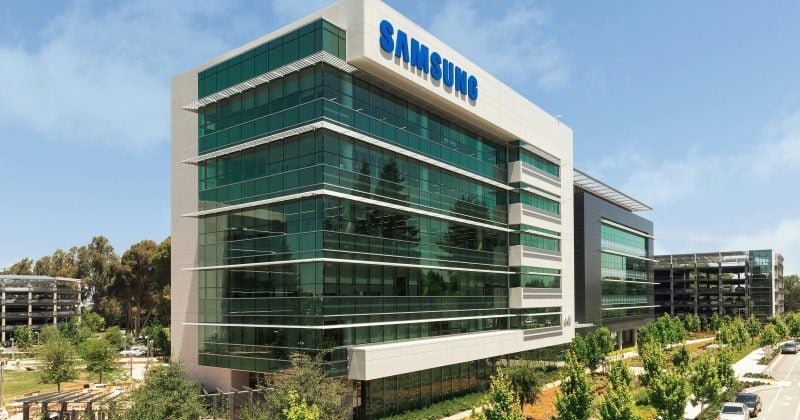
The MSCI Emerging Markets Index is heading for declines on both the week and the month, and the culprit isn’t some macroeconomic shock or geopolitical flare-up. It’s two companies: Samsung Electronics and SK Hynix.

The index has retreated approximately 4% month-to-date in mid-July 2026, driven largely by a concentrated selloff in South Korea’s semiconductor sector.

The semiconductor selloff in numbers

SK Hynix suffered its worst single-day decline in history on July 13, plunging more than 15% in a single session. Samsung Electronics wasn’t far behind, shedding roughly 8-9% over the same stretch.

Advertisement

Samsung and SK Hynix combined account for roughly 13% of the MSCI EM Index as of May 2026. Add in TSMC, and the top three semiconductor names represent over 25% of the entire benchmark.

The timing of SK Hynix’s decline is particularly notable. The company had just completed its Nasdaq debut around July 10, raising $26.5 billion through an American Depositary Receipt offering priced at $149 per ADR. The company had posted substantial year-to-date gains heading into July, fueled by surging demand for high-bandwidth memory used in AI training and inference workloads.

Concentration risk comes home to roost

The MSCI Emerging Markets Index is supposed to represent the economic dynamism of developing economies across Asia, Latin America, the Middle East, and beyond. In practice, it’s increasingly a bet on a handful of Asian semiconductor companies and their ability to ride the AI hardware cycle.

Investors who bought EM index funds thinking they were getting broad geographic and sector exposure are discovering that their portfolio behaves a lot more like a tech ETF than they expected.

What this means for investors

The SK Hynix Nasdaq listing, while a landmark event in its own right, may have created a natural catalyst for profit-taking. When a stock rallies hard into a major liquidity event like a $26.5 billion offering, the post-listing period often brings selling pressure as early investors rotate out.

SK Hynix’s 15% single-day plunge — the worst in its history — suggests that at least some of the froth is coming out of the AI memory trade, one of the most crowded positions in global markets for over a year.

If the selloff extends, the MSCI EM Index could face further pressure simply due to mechanical rebalancing and ETF outflows. The math is unforgiving when your two biggest losers are also two of your biggest weights.

Disclosure: This article was edited by Editorial Team. For more information on how we create and review content, see our Editorial Policy.

MSCI EM index posts weekly and monthly declines as Samsung and SK Hynix drag on performance

MSCI EM index posts weekly and monthly declines as Samsung and SK Hynix drag on performance

Two semiconductor giants now account for roughly 13% of the entire emerging markets index, and their recent selloff is a masterclass in concentration risk

The MSCI Emerging Markets Index is heading for declines on both the week and the month, and the culprit isn’t some macroeconomic shock or geopolitical flare-up. It’s two companies: Samsung Electronics and SK Hynix.

The index has retreated approximately 4% month-to-date in mid-July 2026, driven largely by a concentrated selloff in South Korea’s semiconductor sector.

The semiconductor selloff in numbers

SK Hynix suffered its worst single-day decline in history on July 13, plunging more than 15% in a single session. Samsung Electronics wasn’t far behind, shedding roughly 8-9% over the same stretch.

Advertisement

Samsung and SK Hynix combined account for roughly 13% of the MSCI EM Index as of May 2026. Add in TSMC, and the top three semiconductor names represent over 25% of the entire benchmark.

The timing of SK Hynix’s decline is particularly notable. The company had just completed its Nasdaq debut around July 10, raising $26.5 billion through an American Depositary Receipt offering priced at $149 per ADR. The company had posted substantial year-to-date gains heading into July, fueled by surging demand for high-bandwidth memory used in AI training and inference workloads.

Concentration risk comes home to roost

The MSCI Emerging Markets Index is supposed to represent the economic dynamism of developing economies across Asia, Latin America, the Middle East, and beyond. In practice, it’s increasingly a bet on a handful of Asian semiconductor companies and their ability to ride the AI hardware cycle.

Investors who bought EM index funds thinking they were getting broad geographic and sector exposure are discovering that their portfolio behaves a lot more like a tech ETF than they expected.

What this means for investors

The SK Hynix Nasdaq listing, while a landmark event in its own right, may have created a natural catalyst for profit-taking. When a stock rallies hard into a major liquidity event like a $26.5 billion offering, the post-listing period often brings selling pressure as early investors rotate out.

SK Hynix’s 15% single-day plunge — the worst in its history — suggests that at least some of the froth is coming out of the AI memory trade, one of the most crowded positions in global markets for over a year.

If the selloff extends, the MSCI EM Index could face further pressure simply due to mechanical rebalancing and ETF outflows. The math is unforgiving when your two biggest losers are also two of your biggest weights.

Disclosure: This article was edited by Editorial Team. For more information on how we create and review content, see our Editorial Policy.