
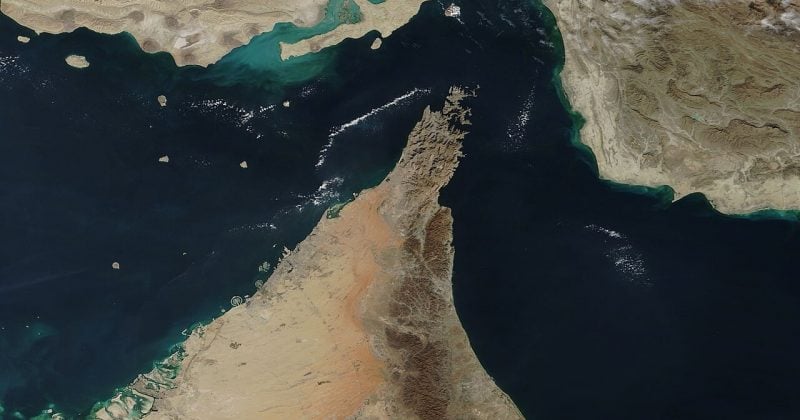
NASDAQ gains 66 points amid US-Iran tensions over Strait of Hormuz

https://en.wikipedia.org/wiki/Strait_of_Hormuz

NASDAQ gains 66 points amid US-Iran tensions over Strait of Hormuz

Iran full airspace closure

The NASDAQ closed with a modest gain of 66.87 points, or 0.26%, reaching 25,885.56, amid geopolitical tensions between the United States and Iran. President Trump ruled out a full-scale war with Iran but warned of a ten-fold retaliation if Iran targets shipping lanes. In response, Iran threatened to block the Strait of Hormuz, a critical passage for global oil transport. Iran’s Deputy Foreign Minister emphasized that recent U.S. actions would not go unanswered, suggesting potential for further escalation. These developments have implications for global markets, particularly in energy, as tensions in the region could affect oil supply routes.

Advertisement

Key Takeaways

  • Market activity suggests increased concern over a potential airspace closure in Iran, with YES probabilities rising across multiple timelines.
  • Trump’s latest threats and Iran’s counter-response appear consistent with scenarios that could disrupt regional airspace and energy markets.
  • Pricing indicates a significant shift in sentiment, with notable probability increases for airspace closure by July 31 and August 31.

What to Watch

Key indicators will include official announcements from the Civil Aviation Organization of Iran regarding any airspace restrictions. Market participants will also monitor U.S. and Iranian government communications for signs of de-escalation or further threats. Developments in the Strait of Hormuz will remain critical, as any blockage could significantly impact global oil markets. The period leading up to July 31 is particularly crucial, with market pricing suggesting increased likelihood of significant geopolitical events impacting airspace decisions.

Get prediction market intelligence as a structured API feed. Early access waitlist.

Disclosure: This article was edited by Estefano Gomez. For more information on how we create and review content, see our Editorial Policy.

NASDAQ gains 66 points amid US-Iran tensions over Strait of Hormuz

NASDAQ gains 66 points amid US-Iran tensions over Strait of Hormuz

Iran full airspace closure

https://en.wikipedia.org/wiki/Strait_of_Hormuz

The NASDAQ closed with a modest gain of 66.87 points, or 0.26%, reaching 25,885.56, amid geopolitical tensions between the United States and Iran. President Trump ruled out a full-scale war with Iran but warned of a ten-fold retaliation if Iran targets shipping lanes. In response, Iran threatened to block the Strait of Hormuz, a critical passage for global oil transport. Iran’s Deputy Foreign Minister emphasized that recent U.S. actions would not go unanswered, suggesting potential for further escalation. These developments have implications for global markets, particularly in energy, as tensions in the region could affect oil supply routes.

Advertisement

Key Takeaways

  • Market activity suggests increased concern over a potential airspace closure in Iran, with YES probabilities rising across multiple timelines.
  • Trump’s latest threats and Iran’s counter-response appear consistent with scenarios that could disrupt regional airspace and energy markets.
  • Pricing indicates a significant shift in sentiment, with notable probability increases for airspace closure by July 31 and August 31.

What to Watch

Key indicators will include official announcements from the Civil Aviation Organization of Iran regarding any airspace restrictions. Market participants will also monitor U.S. and Iranian government communications for signs of de-escalation or further threats. Developments in the Strait of Hormuz will remain critical, as any blockage could significantly impact global oil markets. The period leading up to July 31 is particularly crucial, with market pricing suggesting increased likelihood of significant geopolitical events impacting airspace decisions.

Get prediction market intelligence as a structured API feed. Early access waitlist.

Disclosure: This article was edited by Estefano Gomez. For more information on how we create and review content, see our Editorial Policy.