
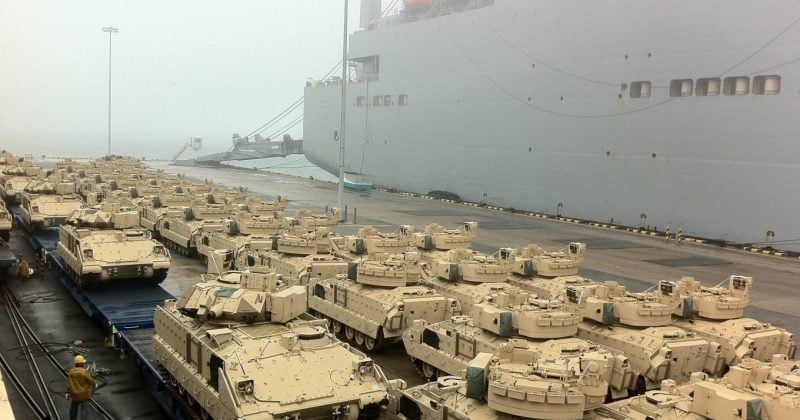
NATO boosts fuel storage to enhance military readiness amid Russia tensions

https://en.defence-ua.com/weapon_and_tech/how_many_tanks_and_other_armor_nato_countries_stock-2671.html

NATO boosts fuel storage to enhance military readiness amid Russia tensions

Russia-Ukraine ceasefire agreement

NATO’s efforts to bolster its fuel storage capabilities have been described as a significant move by Mark Rutte, reflecting the alliance’s readiness to support extended military operations. This development comes as geopolitical tensions remain high, particularly in the context of the ongoing conflict between Russia and Ukraine. The strategic expansion aims to enhance NATO’s logistical resilience against potential threats from Russia and other adversaries. This move is part of a broader initiative to ensure that NATO can sustain operations for longer periods, a necessity underscored by recent military engagements and the alliance’s expanding eastern borders.

Advertisement

The geopolitical landscape remains tense, with President Trump engaging in discussions with Russian President Vladimir Putin. Simultaneously, Ukraine’s President Volodymyr Zelensky plans to engage with Trump on drone technology, suggesting potential shifts in military dynamics. These developments coincide with the International Monetary Fund’s observations on the risks and opportunities posed by current trade dynamics. Meanwhile, the evolution of Russia’s terms for ending its conflict with Ukraine continues to shape market expectations.

Key Takeaways

  • NATO’s move to secure fuel storage appears consistent with increased military readiness, which may indicate sustained geopolitical tensions.
  • Market pricing suggests decreased optimism for a Russia-Ukraine ceasefire agreement by the end of 2026, as reflected in recent odds adjustments.
  • The evolving terms of Russia’s war-ending proposals could impact future peace negotiations, with significant implications for related markets.

What to Watch

Monitor any official announcements from NATO regarding further military logistics enhancements, as these could influence perceptions of regional stability. Updates from the Trump-Putin discussions, particularly any changes in Russia’s terms or strategies, may provide further indications of the conflict’s trajectory. Additionally, watch for statements from Ukrainian President Zelensky and other key actors, as their diplomatic and military engagements could shift market pricing toward a more optimistic outlook for peace agreements.

Get prediction market intelligence as a structured API feed. Early access waitlist.

Disclosure: This article was edited by Estefano Gomez. For more information on how we create and review content, see our Editorial Policy.

NATO boosts fuel storage to enhance military readiness amid Russia tensions

NATO boosts fuel storage to enhance military readiness amid Russia tensions

Russia-Ukraine ceasefire agreement

https://en.defence-ua.com/weapon_and_tech/how_many_tanks_and_other_armor_nato_countries_stock-2671.html

NATO’s efforts to bolster its fuel storage capabilities have been described as a significant move by Mark Rutte, reflecting the alliance’s readiness to support extended military operations. This development comes as geopolitical tensions remain high, particularly in the context of the ongoing conflict between Russia and Ukraine. The strategic expansion aims to enhance NATO’s logistical resilience against potential threats from Russia and other adversaries. This move is part of a broader initiative to ensure that NATO can sustain operations for longer periods, a necessity underscored by recent military engagements and the alliance’s expanding eastern borders.

Advertisement

The geopolitical landscape remains tense, with President Trump engaging in discussions with Russian President Vladimir Putin. Simultaneously, Ukraine’s President Volodymyr Zelensky plans to engage with Trump on drone technology, suggesting potential shifts in military dynamics. These developments coincide with the International Monetary Fund’s observations on the risks and opportunities posed by current trade dynamics. Meanwhile, the evolution of Russia’s terms for ending its conflict with Ukraine continues to shape market expectations.

Key Takeaways

  • NATO’s move to secure fuel storage appears consistent with increased military readiness, which may indicate sustained geopolitical tensions.
  • Market pricing suggests decreased optimism for a Russia-Ukraine ceasefire agreement by the end of 2026, as reflected in recent odds adjustments.
  • The evolving terms of Russia’s war-ending proposals could impact future peace negotiations, with significant implications for related markets.

What to Watch

Monitor any official announcements from NATO regarding further military logistics enhancements, as these could influence perceptions of regional stability. Updates from the Trump-Putin discussions, particularly any changes in Russia’s terms or strategies, may provide further indications of the conflict’s trajectory. Additionally, watch for statements from Ukrainian President Zelensky and other key actors, as their diplomatic and military engagements could shift market pricing toward a more optimistic outlook for peace agreements.

Get prediction market intelligence as a structured API feed. Early access waitlist.

Disclosure: This article was edited by Estefano Gomez. For more information on how we create and review content, see our Editorial Policy.