
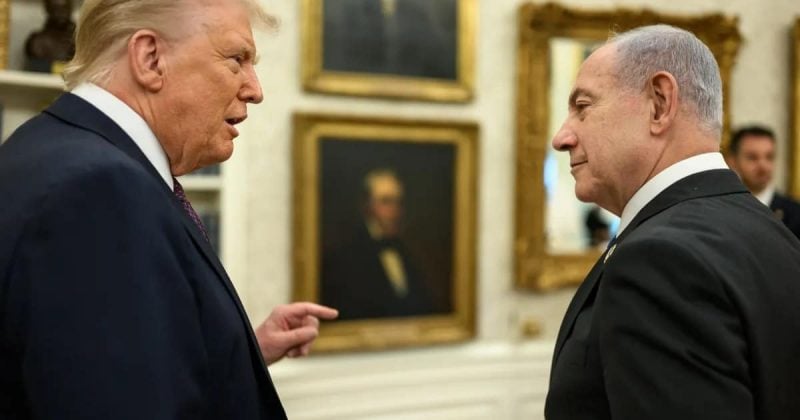
Netanyahu shifts Israel’s security doctrine post-Hamas attack, cites Iran threat

https://www.whitehouse.gov/gallery/president-donald-trump-and-israeli-prime-minister-benjamin-netanyahu-hold-a-joint-press-conference-announcing-the-u-s-peace-plan-for-gaza/

Netanyahu shifts Israel’s security doctrine post-Hamas attack, cites Iran threat

Reza Pahlavi entry into Iran

Israeli Prime Minister Benjamin Netanyahu revealed changes to Israel’s security doctrine following the October 7, 2023, attack, highlighting Iran’s nuclear threat as a key concern. The attack, led by Hamas, resulted in significant casualties and hostage situations, prompting a reassessment of Israel’s strategic approach. Netanyahu’s comments emphasize the need to prevent and suppress enemy force build-up, a shift from traditional doctrines focused on deterrence and decisive victory. Amid ongoing tensions with Iran, markets are evaluating the impact of these developments on regional stability and the likelihood of significant geopolitical shifts.

Advertisement

Key Takeaways

  • Netanyahu’s remarks on Iran’s nuclear threat and Israel’s security doctrine appear consistent with heightened regional tensions.
  • Market pricing suggests a decreased likelihood of Reza Pahlavi entering Iran, reflecting increased geopolitical risks.
  • The emphasis on Iran’s threat may support scenarios where regional stability remains challenged, affecting related markets.

What to Watch

The ongoing geopolitical developments could further influence the likelihood of Reza Pahlavi’s entry into Iran. Monitor any military or diplomatic responses from Iran or its allies, as well as statements from key international actors such as the U.S. and Israel. Shifts in regional alliances or security measures may provide additional context for market movements, suggesting changes in perceived risks and opportunities.

Get prediction market intelligence as a structured API feed. Early access waitlist.

Disclosure: This article was edited by Estefano Gomez. For more information on how we create and review content, see our Editorial Policy.

Netanyahu shifts Israel’s security doctrine post-Hamas attack, cites Iran threat

Netanyahu shifts Israel’s security doctrine post-Hamas attack, cites Iran threat

Reza Pahlavi entry into Iran

https://www.whitehouse.gov/gallery/president-donald-trump-and-israeli-prime-minister-benjamin-netanyahu-hold-a-joint-press-conference-announcing-the-u-s-peace-plan-for-gaza/

Israeli Prime Minister Benjamin Netanyahu revealed changes to Israel’s security doctrine following the October 7, 2023, attack, highlighting Iran’s nuclear threat as a key concern. The attack, led by Hamas, resulted in significant casualties and hostage situations, prompting a reassessment of Israel’s strategic approach. Netanyahu’s comments emphasize the need to prevent and suppress enemy force build-up, a shift from traditional doctrines focused on deterrence and decisive victory. Amid ongoing tensions with Iran, markets are evaluating the impact of these developments on regional stability and the likelihood of significant geopolitical shifts.

Advertisement

Key Takeaways

  • Netanyahu’s remarks on Iran’s nuclear threat and Israel’s security doctrine appear consistent with heightened regional tensions.
  • Market pricing suggests a decreased likelihood of Reza Pahlavi entering Iran, reflecting increased geopolitical risks.
  • The emphasis on Iran’s threat may support scenarios where regional stability remains challenged, affecting related markets.

What to Watch

The ongoing geopolitical developments could further influence the likelihood of Reza Pahlavi’s entry into Iran. Monitor any military or diplomatic responses from Iran or its allies, as well as statements from key international actors such as the U.S. and Israel. Shifts in regional alliances or security measures may provide additional context for market movements, suggesting changes in perceived risks and opportunities.

Get prediction market intelligence as a structured API feed. Early access waitlist.

Disclosure: This article was edited by Estefano Gomez. For more information on how we create and review content, see our Editorial Policy.