
Nexo Earn with Nexo
NextEra, Dominion Energy merger hinges on power bills amid AI demand

NextEra, Dominion Energy merger hinges on power bills amid AI demand

The proposed $67 billion deal would create the world's largest regulated electric utility, but regulators will want to know who's paying the tab.

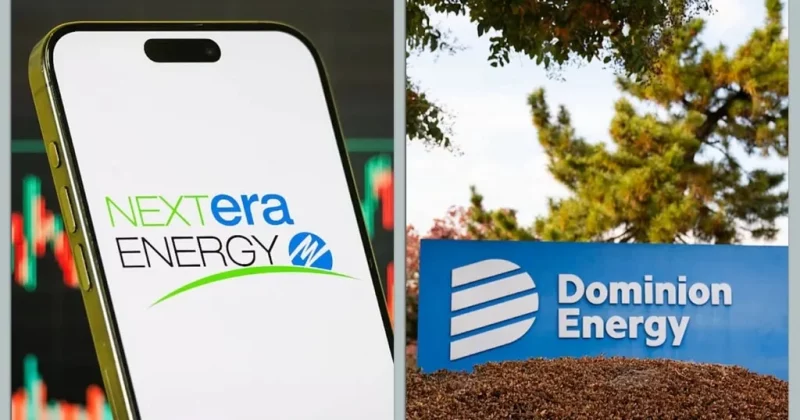
NextEra Energy wants to buy Dominion Energy in an all-stock deal worth roughly $67 billion. If completed, the combination would form the largest regulated electric utility on the planet by market capitalization, a megadeal built squarely on the premise that America’s appetite for electricity is about to surge thanks to artificial intelligence.

What the deal looks like

Under the proposed terms, Dominion shareholders would receive 0.8138 shares of NextEra for each Dominion share they hold. On top of that, there’s a one-time cash payment of $360 million to Dominion shareholders and the continuation of dividends until the deal closes.

Together, the two companies would control approximately 51 gigawatts of generation capacity, establishing what would be a dominant position in the American electricity market.

Advertisement

Virginia, where Dominion is the primary utility, has become the epicenter of data center development in the US. Northern Virginia alone hosts what is widely recognized as the densest cluster of data centers on Earth. As AI workloads scale, those facilities need dramatically more power, and the company that controls the wires and the generation stands to benefit enormously.

The regulatory gauntlet

The merger’s regulatory review is expected to take 12 to 18 months and will require sign-off from multiple regulatory bodies at both the state and federal level.

NextEra has proposed $2.25 billion in bill credits for Dominion customers, a sweetener designed to demonstrate that the deal won’t translate into higher monthly costs for the average household.

AI demand as the thesis

Virginia is ground zero for that race. Dominion’s service territory overlaps almost perfectly with the region where the most aggressive data center expansion is happening. NextEra, with its massive renewable energy portfolio and development pipeline, believes it can supply that demand profitably while meeting the clean energy commitments that many tech companies have made.

What this means for investors

For Dominion shareholders, the math is relatively clear. The 0.8138 exchange ratio plus the $360 million cash payment represents the premium NextEra is willing to pay for access to Virginia’s high-growth demand profile.

For NextEra shareholders, an all-stock deal of this size is dilutive in the near term, and the 12-to-18-month regulatory timeline means uncertainty hangs over the stock for an extended period. If regulators extract additional concessions beyond the $2.25 billion in bill credits, the economics of the deal could shift.

The $2.25 billion bill credit proposal will be the number to watch. If regulators deem it sufficient, the deal likely moves forward on roughly its current terms.

Disclosure: This article was edited by Editorial Team. For more information on how we create and review content, see our Editorial Policy.

NextEra, Dominion Energy merger hinges on power bills amid AI demand

NextEra, Dominion Energy merger hinges on power bills amid AI demand

The proposed $67 billion deal would create the world's largest regulated electric utility, but regulators will want to know who's paying the tab.

NextEra Energy wants to buy Dominion Energy in an all-stock deal worth roughly $67 billion. If completed, the combination would form the largest regulated electric utility on the planet by market capitalization, a megadeal built squarely on the premise that America’s appetite for electricity is about to surge thanks to artificial intelligence.

What the deal looks like

Under the proposed terms, Dominion shareholders would receive 0.8138 shares of NextEra for each Dominion share they hold. On top of that, there’s a one-time cash payment of $360 million to Dominion shareholders and the continuation of dividends until the deal closes.

Together, the two companies would control approximately 51 gigawatts of generation capacity, establishing what would be a dominant position in the American electricity market.

Advertisement

Virginia, where Dominion is the primary utility, has become the epicenter of data center development in the US. Northern Virginia alone hosts what is widely recognized as the densest cluster of data centers on Earth. As AI workloads scale, those facilities need dramatically more power, and the company that controls the wires and the generation stands to benefit enormously.

The regulatory gauntlet

The merger’s regulatory review is expected to take 12 to 18 months and will require sign-off from multiple regulatory bodies at both the state and federal level.

NextEra has proposed $2.25 billion in bill credits for Dominion customers, a sweetener designed to demonstrate that the deal won’t translate into higher monthly costs for the average household.

AI demand as the thesis

Virginia is ground zero for that race. Dominion’s service territory overlaps almost perfectly with the region where the most aggressive data center expansion is happening. NextEra, with its massive renewable energy portfolio and development pipeline, believes it can supply that demand profitably while meeting the clean energy commitments that many tech companies have made.

What this means for investors

For Dominion shareholders, the math is relatively clear. The 0.8138 exchange ratio plus the $360 million cash payment represents the premium NextEra is willing to pay for access to Virginia’s high-growth demand profile.

For NextEra shareholders, an all-stock deal of this size is dilutive in the near term, and the 12-to-18-month regulatory timeline means uncertainty hangs over the stock for an extended period. If regulators extract additional concessions beyond the $2.25 billion in bill credits, the economics of the deal could shift.

The $2.25 billion bill credit proposal will be the number to watch. If regulators deem it sufficient, the deal likely moves forward on roughly its current terms.

Disclosure: This article was edited by Editorial Team. For more information on how we create and review content, see our Editorial Policy.