
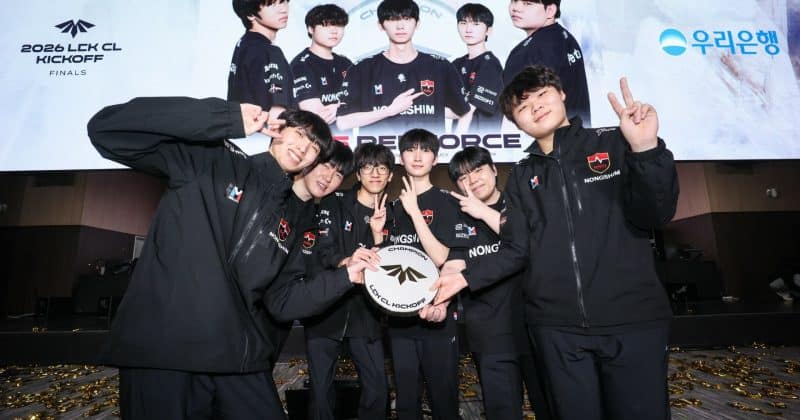
Nongshim RedForce defeats G2 Esports 13-5 on Breeze at EWC 2026 as crypto sponsorships enter the arena
The dominant opening-map win highlights a tournament where esports and regulated crypto finance are quietly finding common ground
Nongshim RedForce wasted no time making a statement at the Esports World Cup 2026. The Korean Valorant squad dismantled G2 Esports by a score of 13-5 on the Breeze map on July 3, 2026, setting an early tone in what promises to be one of the more competitive Valorant tournaments of the year.
What happened on Breeze
The match served as an opening contest in the EWC 2026 Valorant bracket, which runs July 2 through July 12 in Paris. The broader Esports World Cup event spans July 2 to August 23, 2026, covering multiple gaming titles under one umbrella with a total prize pool of $75 million across all disciplines.
The Valorant-specific tournament features 16 qualified teams, organized by ESL FACEIT Group.
Nongshim RedForce and G2 Esports are no strangers to each other. The two sides previously crossed paths at Masters Santiago 2026, which means both teams entered this matchup with existing film on each other.
The bigger story: crypto sponsors at EWC 2026
EWC 2026 introduced new sponsorship guidelines that represent a genuinely novel policy shift. Licensed French crypto and blockchain companies, specifically those holding a PSAN license (the French regulatory designation for digital asset service providers), are now permitted to sponsor teams competing at the event. That permission comes with firm guardrails.
The news moving money, markets, and the world—before your day starts.
Daily. Free. Join 34,000+ readers across crypto, finance, and policy.
Approved sponsors can place branding on jerseys and associated global digital content. What they cannot do is integrate tokens directly into the event experience or activate on-site in Paris.
No specific crypto projects or token names surfaced in connection with the Nongshim vs. G2 match coverage. The crypto presence at EWC 2026 is, at least for now, a branding exercise rather than a product launch.
What this means for investors and the broader market
For anyone tracking crypto’s relationship with major entertainment properties, EWC 2026 is worth watching as a case study in regulatory-compliant integration. The PSAN-licensed framework essentially creates a tiered access model: companies that have done the compliance work get a seat at the table; everyone else does not.
The EWC 2026 approach limits activations to jersey branding and digital content, formats that esports audiences are already accustomed to seeing from conventional sponsors.
For Nongshim RedForce specifically, the 13-5 win puts them in a strong position heading into the rest of the bracket against a full tournament field of 16 teams.