
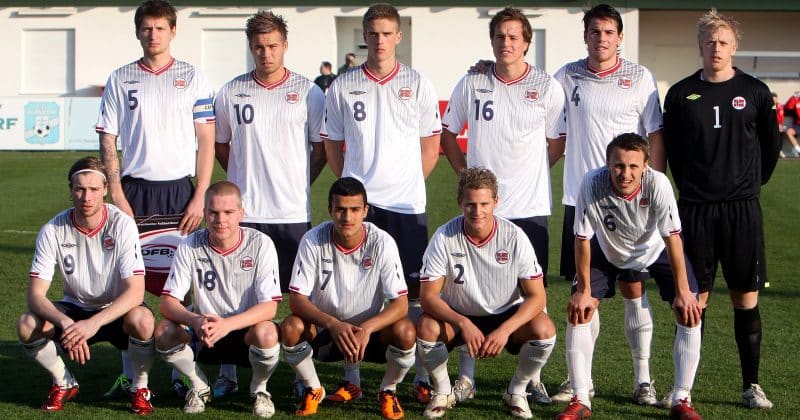
Norway’s World Cup upset over Brazil spotlights a federation built on values, not hype
The Norwegian Football Federation's governance model stands in stark contrast to crypto-fueled sports partnerships sweeping global football.
Erling Haaland scored twice in the final 11 minutes against Brazil on July 5, sending Norway into the World Cup quarterfinals for the first time in history. The scoreline read 2-1.
Norway’s football federation, the NFF, has built its entire organizational identity around welfare, equality, and human rights. In an era where football governing bodies and clubs have raced to ink deals with crypto exchanges, fan token platforms, and NFT marketplaces, the NFF’s conspicuous absence from that gold rush is starting to look less like a missed opportunity and more like a deliberate strategy.
The match that reignited a conversation
Haaland’s goals in the 79th and 90th minutes at MetLife Stadium weren’t just dramatic. They were historic.
Norway now holds a competitive record of 3 wins and 2 draws against Brazil across five meetings. Brazil has never beaten Norway in a competitive match. The last time Norway pulled this off on the World Cup stage was a 2-1 group stage win in 1998.
The NFF has consistently prioritized player welfare, gender equality in funding and support, and vocal advocacy on human rights issues in international football. The victory over Brazil has pushed these principles back into the spotlight.
Where crypto meets football, and where it doesn’t
Fan tokens from platforms like Socios have been adopted by clubs including Barcelona, PSG, and Juventus. Sponsorship deals with crypto exchanges have plastered logos across some of the most-watched jerseys in the world.
The news moving money, markets, and the world—before your day starts.
Daily. Free. Join 34,000+ readers across crypto, finance, and policy.
The NFF has stayed out of all of it. No official cryptocurrency partnerships. No blockchain-based fan engagement platforms. No endorsed NFT drops.
Unofficial NFTs themed around Haaland have popped up across various marketplaces. But these carry no endorsement from Haaland himself, the NFF, or any affiliated entity.
Several crypto sponsors collapsed during the 2022 bear market, leaving clubs scrambling to replace jersey logos and explain to fans why their fan tokens had lost most of their value. The NFF avoided that particular mess entirely.
A governance model worth studying
This doesn’t mean the NFF is anti-technology or anti-innovation. It means they’ve been selective about which partnerships align with their stated values. When the rest of the football world was treating crypto sponsorships as free money in 2021 and 2022, Norway’s federation was asking a different question: does this serve the players, the fans, and the sport’s integrity?
Fan token deals and crypto sponsorships brought tens of millions of dollars into other federations and clubs. Norway left that money on the table. But the calculus looks different now that several of those partnerships have unwound, leaving reputational damage and, in some cases, legal headaches.