
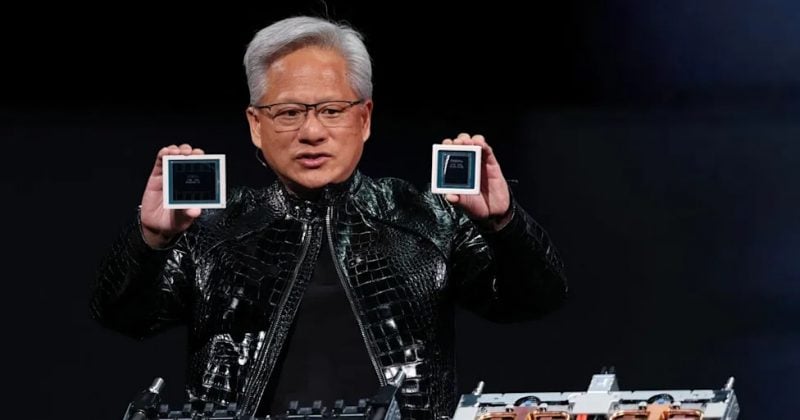
Nvidia and Microsoft to debut first Windows PCs powered by Nvidia chips next week
The GPU giant is making its first real play for the PC processor market, with Arm-based chips designed to run AI workloads locally on laptops from Microsoft Surface and Dell.
Nvidia is no longer content just powering data centers and gaming rigs. Starting next week, the company will have its chips running as the main processors inside Windows PCs for the first time, according to Axios.
The debut is expected to coincide with Computex in Taiwan and Microsoft’s Build conference in San Francisco during the week of June 1. Devices from both Microsoft’s Surface lineup and Dell are confirmed, with other manufacturers potentially joining the launch.
A new front in the chip wars
The new PCs are expected to run on Nvidia’s Arm-based processors, reportedly designated the N1 and N1X. These aren’t just CPUs. They’re designed to integrate CPU, GPU, and AI acceleration into a single package, essentially bringing a scaled-down version of Nvidia’s data center philosophy to your laptop bag.
Supply-chain reports had previously indicated these chips were targeted for launch in Q1 2026 or later, so the timing lines up with what the industry had been expecting.
Microsoft’s AI PC strategy gets a reset
For Microsoft, this partnership represents a chance to reboot its AI PC ambitions. The company’s Copilot+ initiative, which aimed to bring AI-powered features to Windows laptops, faced challenges that left the program’s momentum stalled.
Analyst Carolina Milanesi noted that this collaboration could spur greater investment from developers in the Windows on Arm ecosystem.
The Surface brand will serve as a flagship for the launch, which is Microsoft’s standard playbook. Dell’s involvement signals this isn’t just a concept device situation. These are products headed for real shelves.
What this means for investors and the broader market
The risk, as always with new platform launches, is execution. Nvidia has no track record shipping PC processors at scale. Driver support, power management, and application compatibility are all areas where Intel and AMD have decades of institutional knowledge.