
Nexo Earn with Nexo
Nvidia unveils RTX Spark, advancing AI integration in Windows PCs

Nvidia unveils RTX Spark, advancing AI integration in Windows PCs

The new Arm-based superchip packs 1 petaflop of AI performance into thin-and-light laptops, signaling Nvidia's aggressive push to bring data-center-grade AI to your desk.

Nvidia just made the clearest case yet that the future of personal computing runs through AI hardware. At GTC Taipei during Computex, the company and Microsoft jointly revealed the RTX Spark, an Arm-based superchip designed to cram data-center-level AI performance into laptops thin enough to slide into a backpack.

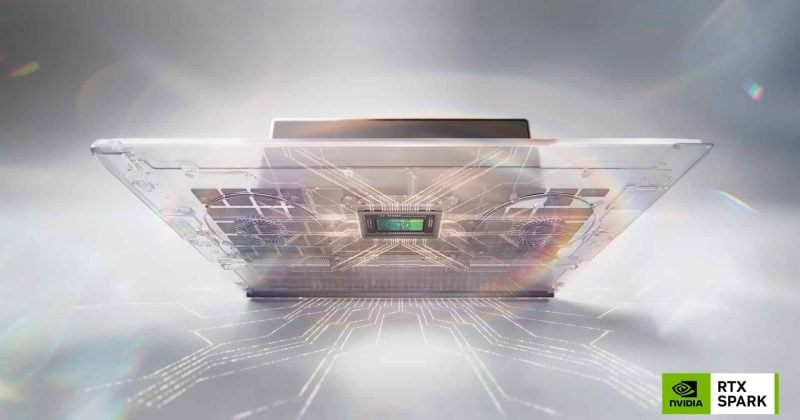
The chip delivers up to 1 petaflop of FP4 AI performance.

What’s actually inside the RTX Spark

The RTX Spark pairs a Blackwell RTX GPU with up to 6,144 CUDA cores alongside a 20-core Arm-based Grace CPU. The chip includes 128 GB of unified memory, meaning the CPU and GPU share the same pool of RAM rather than shuttling data back and forth between separate banks.

Nvidia is emphasizing power efficiency as a core selling point. The design targets all-day battery life in thin-and-light form factors.

Advertisement

First devices are expected to ship in fall 2026 from a roster of major OEMs that includes ASUS, Dell, HP, Lenovo, and Microsoft’s own Surface line.

Why local AI matters more than you think

Nvidia is positioning the RTX Spark as a platform that supports local AI agents with new security features baked into the Windows integration. The pitch is that your AI teammate never needs to send your data to a remote server, which matters a great deal to enterprise users handling sensitive information.

Microsoft’s involvement is critical here. The RTX Spark ships with what the companies describe as seamless Windows integration, meaning the operating system is designed to take full advantage of the chip’s AI capabilities natively.

Nvidia’s own framing leans heavily on the idea that PCs are evolving from tools into teammates.

What this means for investors

The RTX Spark announcement extends a long-standing collaboration between Nvidia and Microsoft that has historically revolved around gaming technologies like DirectX and enterprise infrastructure through Azure. This pivot toward consumer AI hardware represents a new revenue frontier for both companies.

The lineup of OEM partners is worth watching closely. When ASUS, Dell, HP, Lenovo, and Microsoft Surface all commit to building around a single chip architecture, it creates a powerful ecosystem effect.

One risk worth noting: the fall 2026 ship date means there’s still time for execution challenges, supply constraints, or competitive responses to materialize. Pricing, which hasn’t been disclosed, will also determine whether the RTX Spark becomes a mass-market product or a niche offering for power users willing to pay a premium.

Disclosure: This article was edited by Editorial Team. For more information on how we create and review content, see our Editorial Policy.

Nvidia unveils RTX Spark, advancing AI integration in Windows PCs

Nvidia unveils RTX Spark, advancing AI integration in Windows PCs

The new Arm-based superchip packs 1 petaflop of AI performance into thin-and-light laptops, signaling Nvidia's aggressive push to bring data-center-grade AI to your desk.

Nvidia just made the clearest case yet that the future of personal computing runs through AI hardware. At GTC Taipei during Computex, the company and Microsoft jointly revealed the RTX Spark, an Arm-based superchip designed to cram data-center-level AI performance into laptops thin enough to slide into a backpack.

The chip delivers up to 1 petaflop of FP4 AI performance.

What’s actually inside the RTX Spark

The RTX Spark pairs a Blackwell RTX GPU with up to 6,144 CUDA cores alongside a 20-core Arm-based Grace CPU. The chip includes 128 GB of unified memory, meaning the CPU and GPU share the same pool of RAM rather than shuttling data back and forth between separate banks.

Nvidia is emphasizing power efficiency as a core selling point. The design targets all-day battery life in thin-and-light form factors.

Advertisement

First devices are expected to ship in fall 2026 from a roster of major OEMs that includes ASUS, Dell, HP, Lenovo, and Microsoft’s own Surface line.

Why local AI matters more than you think

Nvidia is positioning the RTX Spark as a platform that supports local AI agents with new security features baked into the Windows integration. The pitch is that your AI teammate never needs to send your data to a remote server, which matters a great deal to enterprise users handling sensitive information.

Microsoft’s involvement is critical here. The RTX Spark ships with what the companies describe as seamless Windows integration, meaning the operating system is designed to take full advantage of the chip’s AI capabilities natively.

Nvidia’s own framing leans heavily on the idea that PCs are evolving from tools into teammates.

What this means for investors

The RTX Spark announcement extends a long-standing collaboration between Nvidia and Microsoft that has historically revolved around gaming technologies like DirectX and enterprise infrastructure through Azure. This pivot toward consumer AI hardware represents a new revenue frontier for both companies.

The lineup of OEM partners is worth watching closely. When ASUS, Dell, HP, Lenovo, and Microsoft Surface all commit to building around a single chip architecture, it creates a powerful ecosystem effect.

One risk worth noting: the fall 2026 ship date means there’s still time for execution challenges, supply constraints, or competitive responses to materialize. Pricing, which hasn’t been disclosed, will also determine whether the RTX Spark becomes a mass-market product or a niche offering for power users willing to pay a premium.

Disclosure: This article was edited by Editorial Team. For more information on how we create and review content, see our Editorial Policy.