
Oil executives warn White House that gas prices are set to worsen significantly
Top US energy leaders told the Trump administration that dwindling oil inventories could trigger sharp gasoline price spikes by mid-summer
Executives from some of the largest oil companies in the US have delivered a blunt message to the White House: gas prices are about to get worse, and current policies aren’t going to stop it.
Leaders from Exxon Mobil, Chevron, and other major producers met with senior administration officials in late May to flag what they describe as dangerously low oil inventory levels. The culprit is the ongoing closure of the Strait of Hormuz, a chokepoint that handles roughly 20% of global oil and gas trade. With that artery effectively shut down amid escalating tensions with Iran, refineries across the country are burning through their remaining stockpiles at an alarming pace.
The numbers paint a grim picture
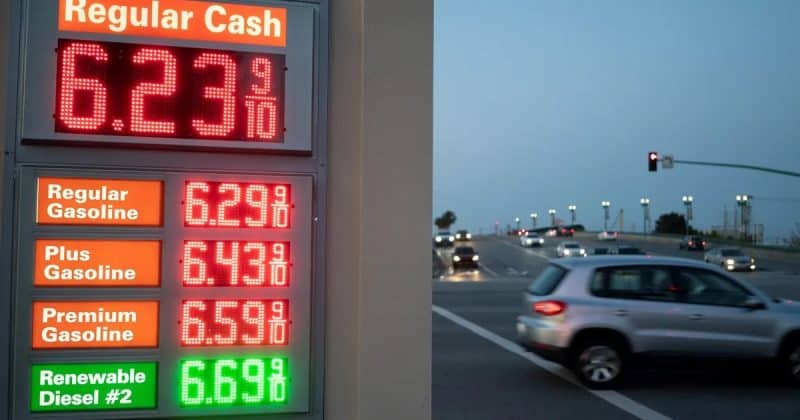
As of late May, the average US gasoline price hit $4.26 per gallon. That’s an increase of $1.28 from where prices stood before the Iran conflict began.
Exxon SVP Neil Chapman told officials that current inventory levels are “unheard of,” warning that sharp price increases could materialize within weeks. Industry leaders have described storage reserves as approaching “tank bottom.” The timeline executives laid out points to mid-to-late June as the inflection point when prices could spike further. That timing is particularly inconvenient, landing squarely in the early weeks of summer driving season, when demand traditionally surges.
The White House response: “temporary”
Despite the urgency of these warnings, the Trump administration has publicly downplayed the situation. Officials have characterized current price pressures as temporary and called for ramping up domestic oil production as the solution.
Energy Secretary Chris Wright and Interior Secretary Doug Burgum both received the executives’ warnings directly. The administration’s public posture, however, has remained notably more optimistic than the private briefings would suggest.
What this means for investors and the broader economy
For energy investors, the situation creates a complicated landscape. Oil company revenues typically benefit from higher crude prices, but the geopolitical risk premium baked into current markets introduces significant volatility. A sudden diplomatic breakthrough on the Strait of Hormuz could send prices tumbling just as quickly as the blockade pushed them up.
Commodity traders should watch two specific signals in the coming weeks. First, weekly petroleum inventory reports from the Energy Information Administration will show whether the “tank bottom” warnings from executives are materializing in the data. Second, any movement on diplomatic channels regarding the Strait of Hormuz will be the single most important variable for crude oil pricing.