
Oil prices spike after Trump declares Iran cease-fire ‘over’

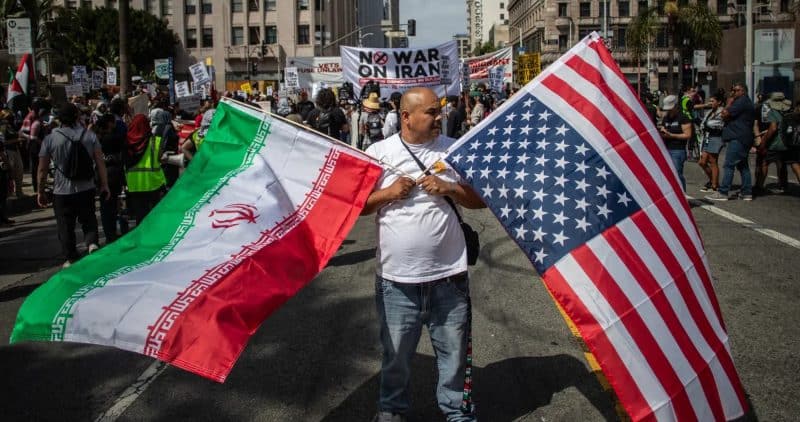
Photo by Jan Zakelj

Oil prices spike after Trump declares Iran cease-fire ‘over’

Crude oil all time high predictions

Oil prices surged following President Trump’s declaration that the cease-fire with Iran is effectively over. The announcement has intensified concerns about ongoing geopolitical tensions affecting global oil supply, particularly through the vital Strait of Hormuz. Brent crude futures rose to $104.21 per barrel, while U.S. West Texas Intermediate reached $98.07 per barrel. These spikes are significant against the backdrop of a forecast range significantly lower than current levels, highlighting the market’s sensitivity to geopolitical developments. The escalation increases the uncertainty surrounding oil flow stability, driving market participants to reassess the likelihood of reaching new all-time high oil prices.

Advertisement

Key Takeaways

  • Oil price surge appears to reflect increased geopolitical risk following President Trump’s ceasefire termination announcement.
  • Market activity suggests heightened concerns over oil supply disruptions, particularly through the Strait of Hormuz.
  • The change in market pricing appears consistent with increased probability of crude oil reaching new highs by year-end.

What to Watch

Key figures such as Mohammad Sanusi Barkindo of OPEC and Abdulaziz bin Salman Al Saud of Saudi Arabia’s energy ministry may influence future market sentiment with any statements or policy shifts. Observers should monitor developments in U.S.-Iran relations and potential diplomatic engagements, as these could impact oil supply routes and market forecasts. Additionally, further updates on OPEC’s production strategies and any shifts in global demand metrics will be crucial in determining the trajectory of oil prices moving forward.

Get prediction market intelligence as a structured API feed. Early access waitlist.

Disclosure: This article was edited by Estefano Gomez. For more information on how we create and review content, see our Editorial Policy.

Oil prices spike after Trump declares Iran cease-fire ‘over’

Oil prices spike after Trump declares Iran cease-fire ‘over’

Crude oil all time high predictions

Photo by Jan Zakelj

Oil prices surged following President Trump’s declaration that the cease-fire with Iran is effectively over. The announcement has intensified concerns about ongoing geopolitical tensions affecting global oil supply, particularly through the vital Strait of Hormuz. Brent crude futures rose to $104.21 per barrel, while U.S. West Texas Intermediate reached $98.07 per barrel. These spikes are significant against the backdrop of a forecast range significantly lower than current levels, highlighting the market’s sensitivity to geopolitical developments. The escalation increases the uncertainty surrounding oil flow stability, driving market participants to reassess the likelihood of reaching new all-time high oil prices.

Advertisement

Key Takeaways

  • Oil price surge appears to reflect increased geopolitical risk following President Trump’s ceasefire termination announcement.
  • Market activity suggests heightened concerns over oil supply disruptions, particularly through the Strait of Hormuz.
  • The change in market pricing appears consistent with increased probability of crude oil reaching new highs by year-end.

What to Watch

Key figures such as Mohammad Sanusi Barkindo of OPEC and Abdulaziz bin Salman Al Saud of Saudi Arabia’s energy ministry may influence future market sentiment with any statements or policy shifts. Observers should monitor developments in U.S.-Iran relations and potential diplomatic engagements, as these could impact oil supply routes and market forecasts. Additionally, further updates on OPEC’s production strategies and any shifts in global demand metrics will be crucial in determining the trajectory of oil prices moving forward.

Get prediction market intelligence as a structured API feed. Early access waitlist.

Disclosure: This article was edited by Estefano Gomez. For more information on how we create and review content, see our Editorial Policy.