
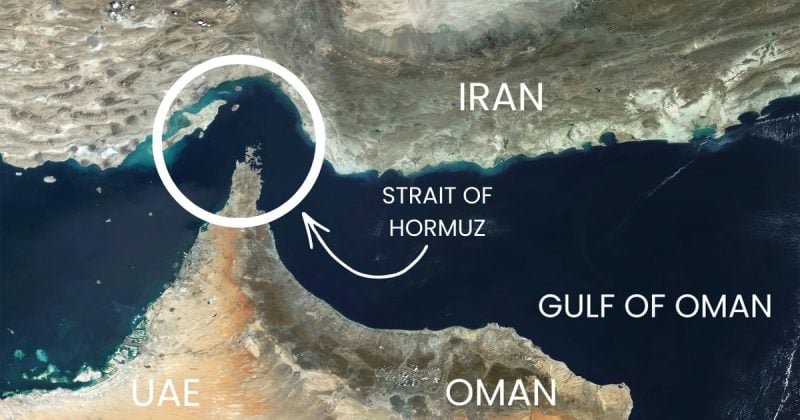
Oil prices surge 5% as Iran closes Strait of Hormuz

https://www.foxnews.com/politics/irans-biggest-weapon-against-us-may-slipping-away-experts-say

Oil prices surge 5% as Iran closes Strait of Hormuz

WTI crude oil prices in July 2026

Oil prices surged by up to 5% following Iran’s announcement of the closure of the Strait of Hormuz. The declaration by Iran’s Islamic Revolutionary Guard Corps comes in response to recent U.S. military strikes, and has resulted in significant disruptions to the global oil market. The Strait of Hormuz, a crucial transit point handling about 20% of the world’s oil trade, is now closed to all vessels, including oil tankers. This development has spurred market concerns over a potential massive reduction in global oil supply, estimated at 10-11 million barrels per day.

Advertisement

WTI Crude Oil prices have seen notable increases, with Brent crude near $95.40 per barrel and WTI at $92.63 per barrel. Some forecasts suggest prices could rise further, potentially reaching between $120 and $150 per barrel if the blockade persists. The geopolitical tension is reflected in prediction markets, where the likelihood of WTI reaching $130 by the end of July is currently priced at 0.7% YES, indicating that market participants are assessing the impact of Iran’s actions on the oil supply chain.

Key Takeaways

  • Iran’s closure of the Strait of Hormuz appears to have led to a significant disruption in the global oil market.
  • Market pricing suggests participants see a potential for WTI crude prices to increase further if the blockade continues.
  • The current market scenario is consistent with a situation where geopolitical tensions lead to higher oil prices.

What to Watch

Key actors, including the U.S. government and OPEC+, will be critical in shaping the next developments. Monitoring any statements from the Iranian Ministry of Shipping regarding the strait’s accessibility will be crucial. Additionally, any new military actions or diplomatic efforts, particularly from the U.S. or Israel, could influence market perceptions and pricing. Continued focus on updates from the International Energy Agency and U.S. Energy Information Administration will provide insights into global oil supply dynamics.

Get live prediction-market analysis, powered by Vera. Sign up for Vera.

Disclosure: This article was edited by Estefano Gomez. For more information on how we create and review content, see our Editorial Policy.

Oil prices surge 5% as Iran closes Strait of Hormuz

Oil prices surge 5% as Iran closes Strait of Hormuz

WTI crude oil prices in July 2026

https://www.foxnews.com/politics/irans-biggest-weapon-against-us-may-slipping-away-experts-say

Oil prices surged by up to 5% following Iran’s announcement of the closure of the Strait of Hormuz. The declaration by Iran’s Islamic Revolutionary Guard Corps comes in response to recent U.S. military strikes, and has resulted in significant disruptions to the global oil market. The Strait of Hormuz, a crucial transit point handling about 20% of the world’s oil trade, is now closed to all vessels, including oil tankers. This development has spurred market concerns over a potential massive reduction in global oil supply, estimated at 10-11 million barrels per day.

Advertisement

WTI Crude Oil prices have seen notable increases, with Brent crude near $95.40 per barrel and WTI at $92.63 per barrel. Some forecasts suggest prices could rise further, potentially reaching between $120 and $150 per barrel if the blockade persists. The geopolitical tension is reflected in prediction markets, where the likelihood of WTI reaching $130 by the end of July is currently priced at 0.7% YES, indicating that market participants are assessing the impact of Iran’s actions on the oil supply chain.

Key Takeaways

  • Iran’s closure of the Strait of Hormuz appears to have led to a significant disruption in the global oil market.
  • Market pricing suggests participants see a potential for WTI crude prices to increase further if the blockade continues.
  • The current market scenario is consistent with a situation where geopolitical tensions lead to higher oil prices.

What to Watch

Key actors, including the U.S. government and OPEC+, will be critical in shaping the next developments. Monitoring any statements from the Iranian Ministry of Shipping regarding the strait’s accessibility will be crucial. Additionally, any new military actions or diplomatic efforts, particularly from the U.S. or Israel, could influence market perceptions and pricing. Continued focus on updates from the International Energy Agency and U.S. Energy Information Administration will provide insights into global oil supply dynamics.

Get live prediction-market analysis, powered by Vera. Sign up for Vera.

Disclosure: This article was edited by Estefano Gomez. For more information on how we create and review content, see our Editorial Policy.