
https://es.wikipedia.org/wiki/Donald_Trump
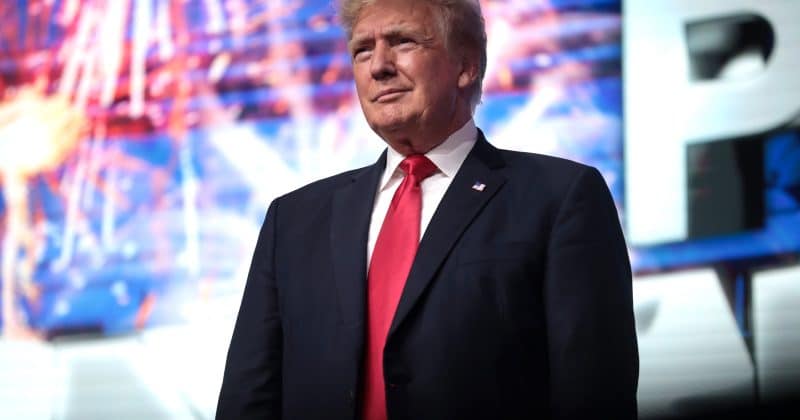
Oil prices surge as Trump ends cease-fire with Iran, raising supply concerns
WTI crude oil prices in July 2026
Oil prices experienced a significant surge following President Donald Trump’s declaration that the cease-fire with Iran was “over,” a statement made in the wake of U.S. military strikes and attacks on commercial ships near the Strait of Hormuz. This development has heightened geopolitical tensions and investor concerns over potential disruptions in oil supply routes. Brent crude saw an increase of 6.3% to $78.86 per barrel, while West Texas Intermediate (WTI) rose by 5.9% to $74.60 per barrel. Markets appear to interpret these escalating tensions as consistent with increased risks to the oil supply chain, which could influence short-term price volatility.
In the prediction markets, the odds for WTI Crude Oil reaching $130 in July are currently low, yet they reflect a notable shift in market sentiment. As of now, the pricing for hitting $130 is at 1% YES, indicating that market participants are contemplating the possibility, albeit with caution. The recent surge in oil prices suggests that market participants may be reassessing the likelihood of extreme price movements due to geopolitical factors. The broader market environment remains sensitive to developments in the Middle East, particularly concerning the strategic Strait of Hormuz, a vital passage for global oil shipments.
The situation is further complicated by potential actions from key geopolitical actors such as the Iranian government, the U.S. administration, and OPEC+. The market’s response underscores the significant impact that geopolitical events can have on oil prices, with the potential for continued volatility depending on the unfolding situation in the region.
Key Takeaways
- Market activity suggests that the recent geopolitical developments are consistent with increased risks to oil supply routes.
- Current pricing indicates a low probability that WTI Crude Oil will reach $130 in July, though recent price movements reflect elevated market concerns.
- The Strait of Hormuz remains a focal point, with any indications of prolonged disruptions likely to further influence market expectations.
What to Watch
Observers should monitor any further statements or actions from the U.S. and Iranian governments, as well as potential responses from international bodies such as OPEC+. Developments regarding the accessibility of the Strait of Hormuz and any shifts in oil production policies could provide key indicators for future market movements. The geopolitical landscape remains fluid, and any new developments could prompt reassessments of oil price trajectories in prediction markets.