
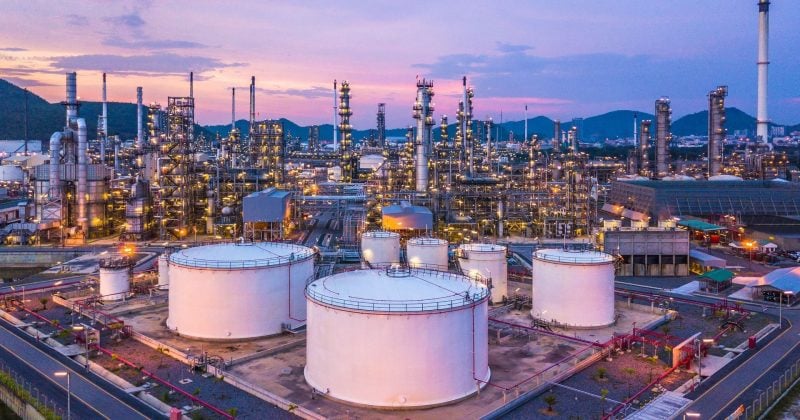
Oil prices surge nearly 10% amid US-Iran tensions, biggest rise since 2020

https://www.southerngreen.com/blog/are-oil-refineries-bad-for-the-environment

Oil prices surge nearly 10% amid US-Iran tensions, biggest rise since 2020

Strait of Hormuz ship transit July 2023

Oil prices experienced a dramatic surge of nearly 10%, marking the most significant one-day increase since 2020. This spike is attributed to escalating tensions between the United States and Iran, leading to expectations of extended disruptions to shipping through the Strait of Hormuz. The strait, a vital conduit for global oil supplies, has been heavily affected by renewed hostilities following the breakdown of a ceasefire. Iran’s continued actions, including the deployment of sea mines and attacks on commercial vessels, have further heightened concerns of a protracted crisis impacting oil transit.

Advertisement

Key Takeaways

  • Market behavior suggests a significant likelihood of continued disruptions in the Strait of Hormuz, consistent with high YES pricing for fewer than 150 ships transiting.
  • The escalation in the region appears to be driving expectations of prolonged shipping disruptions, as indicated by the near 10% increase in oil prices.
  • Current pricing in prediction markets implies participants anticipate a reduced number of ships transiting the strait in the immediate future.

What to Watch

Observers should monitor developments in U.S.-Iran relations, as any diplomatic or military actions could alter the current market outlook. Key indicators include potential negotiations or further escalations in hostilities that could impact maritime safety and shipping lanes. Additionally, changes in military deployments or international diplomatic efforts aimed at de-escalation may influence market expectations and pricing in related prediction markets.

Get live prediction-market analysis, powered by Vera. Sign up for Vera.

Disclosure: This article was edited by Estefano Gomez. For more information on how we create and review content, see our Editorial Policy.

Oil prices surge nearly 10% amid US-Iran tensions, biggest rise since 2020

Oil prices surge nearly 10% amid US-Iran tensions, biggest rise since 2020

Strait of Hormuz ship transit July 2023

https://www.southerngreen.com/blog/are-oil-refineries-bad-for-the-environment

Oil prices experienced a dramatic surge of nearly 10%, marking the most significant one-day increase since 2020. This spike is attributed to escalating tensions between the United States and Iran, leading to expectations of extended disruptions to shipping through the Strait of Hormuz. The strait, a vital conduit for global oil supplies, has been heavily affected by renewed hostilities following the breakdown of a ceasefire. Iran’s continued actions, including the deployment of sea mines and attacks on commercial vessels, have further heightened concerns of a protracted crisis impacting oil transit.

Advertisement

Key Takeaways

  • Market behavior suggests a significant likelihood of continued disruptions in the Strait of Hormuz, consistent with high YES pricing for fewer than 150 ships transiting.
  • The escalation in the region appears to be driving expectations of prolonged shipping disruptions, as indicated by the near 10% increase in oil prices.
  • Current pricing in prediction markets implies participants anticipate a reduced number of ships transiting the strait in the immediate future.

What to Watch

Observers should monitor developments in U.S.-Iran relations, as any diplomatic or military actions could alter the current market outlook. Key indicators include potential negotiations or further escalations in hostilities that could impact maritime safety and shipping lanes. Additionally, changes in military deployments or international diplomatic efforts aimed at de-escalation may influence market expectations and pricing in related prediction markets.

Get live prediction-market analysis, powered by Vera. Sign up for Vera.

Disclosure: This article was edited by Estefano Gomez. For more information on how we create and review content, see our Editorial Policy.