
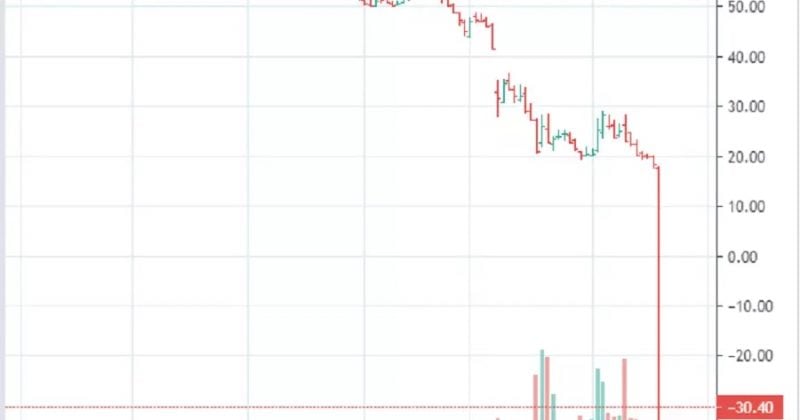
Oil prices tumble over 20% in May, marking worst month since 2020
Brent crude's steepest monthly plunge in six years is reshaping risk appetite across crypto and equities alike.
Crude oil just had the kind of month that makes energy traders reach for something stronger than coffee. Brent crude fell nearly 19-20% in May, landing around $90-93 per barrel and notching the worst monthly performance for oil since March 2020, when the world was busy discovering what “lockdown” meant.
The culprit this time isn’t a pandemic. It’s peace, or at least the possibility of it. Growing optimism around a potential US-Iran ceasefire and the reopening of the Strait of Hormuz, one of the world’s most critical oil chokepoints, yanked the geopolitical risk premium out of crude prices like a tablecloth trick gone right.
From $130 barrels to a reality check
To appreciate how dramatic this reversal is, you need to rewind a few months. Earlier in 2026, conflict-related tensions in the Middle East had pushed oil prices above $110-130 per barrel.
Those elevated energy costs rippled through every asset class. Bitcoin dropped below $66,000 during that period, and Ether came under similar pressure. The logic was straightforward: expensive oil means hotter inflation, which means higher interest rates for longer, which means less appetite for speculative assets.
The crypto connection
Bitcoin traded above $77,000 as oil slid 5% during one stretch of the month, with Asian equity markets also catching a bid on the improved sentiment. That’s a meaningful recovery from the sub-$66,000 levels seen when oil was at its peak earlier this year, representing a gain of roughly 17% from those lows.
Macro, rates, and crypto—what moved markets and what matters next.
Daily. Free. Join 34,000+ readers across crypto, finance, and policy.
Decentralized trading platforms saw notable spikes in activity during the volatility. Hyperliquid, a perpetual futures DEX, was among the platforms experiencing heightened volumes as traders repositioned around the shifting macro narrative.
But the optimism comes with asterisks. Crypto ETF outflows have persisted even as oil prices collapsed, suggesting that institutional money isn’t uniformly buying the dip.
What this means for investors
For crypto specifically, lower energy costs reduce the probability of surprise rate hikes, which has historically been one of the biggest headwinds for digital assets. Bitcoin’s move from below $66,000 to above $77,000 during this period suggests the market is already pricing in some of that relief.
The ETF outflow data deserves close attention in the coming weeks. If institutional flows into crypto products don’t reverse even as the macro picture improves, it could indicate that the current rally is driven more by sentiment than by durable capital reallocation. Watching whether Bitcoin can sustain levels above $77,000 without fresh institutional buying will be a key tell for whether this is a genuine regime change or a bear market bounce dressed up in better macro clothing.