
Oil slides on Iran supply prospects as traders await Warsh’s guidance
Crude drops roughly 5% as diplomatic progress in the Strait of Hormuz deflates risk premiums, while markets gear up for Kevin Warsh's first FOMC meeting
West Texas Intermediate crude fell approximately 5% to around $80 per barrel this week, dragged lower by growing optimism that a preliminary US-Iran agreement could normalize oil flows through one of the world’s most important shipping chokepoints.
The Strait of Hormuz, a narrow waterway responsible for roughly 20% of global oil and LNG supply, has been at the center of geopolitical anxiety for months. The prospect of it reopening without friction is doing exactly what you’d expect: pulling the rug out from under the risk premiums that had been propping up crude prices.
From $110 to $80: how diplomacy deflated the barrel
Not long ago, escalating conflict concerns had pushed oil prices well above the $110 to $120 range. Traders were pricing in worst-case scenarios involving supply disruptions, tanker insurance spikes, and the kind of energy crunch that gives central bankers nightmares.
Now the mood has flipped. Diplomatic progress between Washington and Tehran is replacing fear with something markets hadn’t felt in a while: cautious optimism. The roughly $30-$40 per barrel decline from those peaks represents a massive unwind of geopolitical risk premium.
For energy-dependent economies, this is welcome news. Lower crude prices feed directly into cheaper gasoline, reduced shipping costs, and softer input prices for manufacturers.
Macro, rates, and crypto—what moved markets and what matters next.
Daily. Free. Join 34,000+ readers across crypto, finance, and policy.
Warsh’s first FOMC meeting looms large
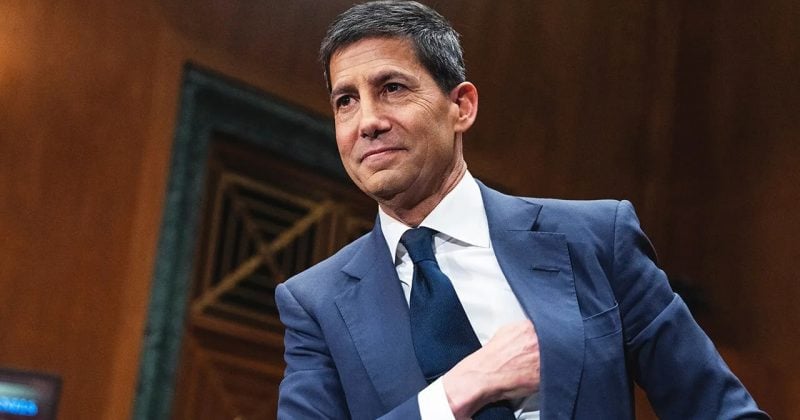
Kevin Warsh, the newly installed Federal Reserve Chair, is set to preside over his first Federal Open Market Committee meeting on June 17-18, 2026. And the market has already made up its mind about what he should do.
Approximately 97% of traders are pricing in no rate change at that meeting. That’s about as close to unanimous as futures markets get.
Traders who had been bracing for potential rate hikes earlier in the year have shifted to a neutral stance. The combination of softening commodity prices and a diplomacy-driven reduction in supply-side risk has essentially taken the hawkish case off the table, at least for now.
What this means for crypto and risk assets
Bitcoin and broader digital assets have historically responded to shifts in macroeconomic sentiment, particularly when those shifts involve inflation expectations and liquidity conditions. Lower oil prices reduce inflation fears. Reduced inflation fears lower the probability of rate hikes. Lower rate hike probability increases appetite for risk assets.
The key variable to watch is whether the US-Iran diplomatic progress translates into actual, sustained increases in oil supply. A preliminary agreement and a functioning deal are very different things. If negotiations stall or collapse, crude could snap back toward triple digits. Investors positioned for the best-case scenario should keep one eye on the Strait of Hormuz and the other on Warsh’s podium in mid-June.