
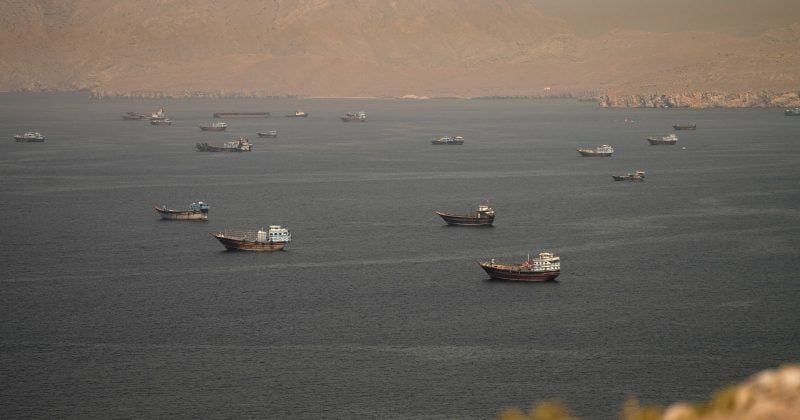
Oil market flooded with supply as Strait of Hormuz reopens after months-long closure
Up to 93 million barrels of stranded crude could hit markets immediately, with crypto ties lurking in the background
The Strait of Hormuz, which handles roughly one-fifth of all seaborne oil trade, reopened around June 18-20 following a US-Iran peace deal brokered with Pakistan’s help.
The numbers behind the flood
The strait had been closed since February 28, following escalating US-Israel military actions against Iran. That closure resulted in an estimated loss of approximately 1.15 billion barrels of oil globally, leaving inventories at historic lows.
Analysts estimate that around 93 million barrels of non-Iranian crude that had been stranded in the Persian Gulf could be released into markets immediately. If sanctions on Iran are further eased, an additional 72 million barrels could follow. Combined, that’s roughly 165 million barrels of crude looking for buyers in a market that was already struggling with weak refining margins.
The diplomatic breakthrough came in the form of a Memorandum of Understanding signed on June 17 between the US and Iran. Pakistan served as mediator, and the agreement paved the way for the strait’s reopening within days of the signing.
The pre-closure flow through the strait was about 20-25 million barrels per day, roughly one-fifth of global seaborne oil trade.
Macro, rates, and crypto—what moved markets and what matters next.
Daily. Free. Join 34,000+ readers across crypto, finance, and policy.
Why full recovery won’t happen overnight
Full normalization of shipping traffic through the strait may take weeks or even months. Mines and other navigational hazards from the conflict period remain a concern, and insurance concerns have not been fully resolved.
The immediate beneficiaries should be oil importers in Asia and India, who bore the brunt of the supply disruption. Middle Eastern crude prices are expected to face downward pressure as stranded barrels find their way to refineries. Experts warn that already fragile market conditions, including weak refining margins and supply-chain disruptions built up during the closure, could dampen the relief effect.
The crypto angle you didn’t see coming
During the crisis, Iran reportedly sought approximately $1 per barrel in crypto tolls, including Bitcoin and stablecoins, for oil transit through the strait during temporary ceasefires in April 2026. At 20-25 million barrels per day of normal flow, that would have represented $20-25 million daily in crypto-denominated revenue had it been sustained.
No major crypto protocols have been directly tied to the strait’s reopening. Traders should watch the pace of actual tanker traffic recovery through the strait and any movement on Iranian sanctions that could unlock that additional 72 million barrels.