
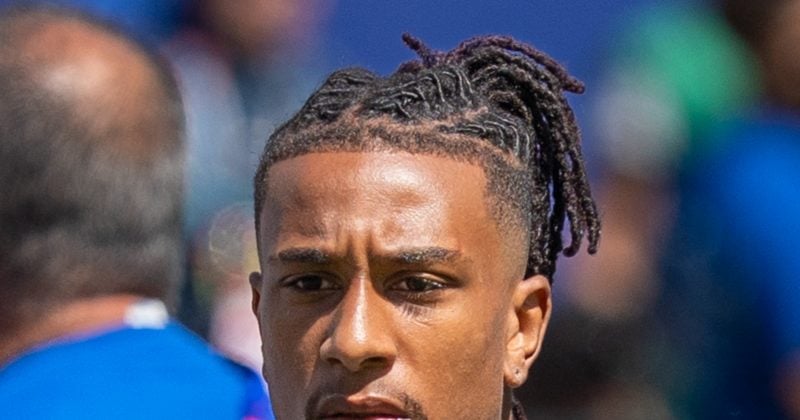
Michael Olise’s World Cup assist record is moving fan token and NFT markets

Michael Olise’s World Cup assist record is moving fan token and NFT markets

The Bayern Munich forward's pursuit of Pelé's 1970 assist record has triggered a surge in sports-related digital asset trading

Michael Olise is having the kind of World Cup that rewrites history books. The France international has recorded five assists through four matches at the 2026 FIFA World Cup, putting him one assist away from matching Pelé’s legendary six-assist haul from Brazil’s 1970 campaign.

For crypto markets, the interesting part isn’t the football. It’s what happens when a relatively low-profile player suddenly becomes the most exciting story in global sports, and the digital asset ecosystem around him starts moving in real time.

The Pelé chase and its digital ripple effects

Trading volumes for the $PSG fan token have spiked, driven not by anything Paris Saint-Germain actually did, but by transfer speculation linking Olise with the club. In English: people are betting on where Olise might play next season by trading a token tied to a team he doesn’t even play for yet.

Advertisement

Meanwhile, Olise’s digital collectibles on platforms like Sorare and Panini’s blockchain ecosystem have seen price fluctuations that track almost directly with his on-pitch performances.

Olise has no known cryptocurrency endorsements or sponsorships. There’s no Olise-branded token. This entire wave of digital asset activity is purely organic, driven by narrative and speculation rather than any coordinated marketing push.

Fan tokens as real-time sports derivatives

Fan tokens were originally pitched as a way for supporters to engage with their clubs through polls and exclusive content. What they’ve become, at least during high-profile tournaments, is something closer to sports derivatives. Traders aren’t buying $PSG tokens because they want to vote on the club’s next jersey design. They’re buying them because they think Olise might sign with PSG, which would presumably boost the token’s value.

The Sorare angle is slightly more straightforward. Sorare operates as a fantasy football platform built on blockchain, where player cards function as NFTs whose value correlates with real-world performance. When a player is leading the World Cup in assists, his cards become more valuable because they score more points in the game.

What this means for digital asset investors

Olise’s low public profile amplifies this dynamic. Because there’s limited information and no official crypto partnerships to anchor valuations, prices are almost entirely sentiment-driven. That creates wider swings in both directions than you’d see with a more established, heavily marketed athlete.

The 2026 World Cup’s expanded format, with more matches and more opportunities for breakout performances, means more potential catalysts for fan token and NFT price movements — and with potentially two more matches still to play, Olise could yet surpass Pelé’s record entirely.

Disclosure: This article was edited by Editorial Team. For more information on how we create and review content, see our Editorial Policy.

Michael Olise’s World Cup assist record is moving fan token and NFT markets

Michael Olise’s World Cup assist record is moving fan token and NFT markets

The Bayern Munich forward's pursuit of Pelé's 1970 assist record has triggered a surge in sports-related digital asset trading

Michael Olise is having the kind of World Cup that rewrites history books. The France international has recorded five assists through four matches at the 2026 FIFA World Cup, putting him one assist away from matching Pelé’s legendary six-assist haul from Brazil’s 1970 campaign.

For crypto markets, the interesting part isn’t the football. It’s what happens when a relatively low-profile player suddenly becomes the most exciting story in global sports, and the digital asset ecosystem around him starts moving in real time.

The Pelé chase and its digital ripple effects

Trading volumes for the $PSG fan token have spiked, driven not by anything Paris Saint-Germain actually did, but by transfer speculation linking Olise with the club. In English: people are betting on where Olise might play next season by trading a token tied to a team he doesn’t even play for yet.

Advertisement

Meanwhile, Olise’s digital collectibles on platforms like Sorare and Panini’s blockchain ecosystem have seen price fluctuations that track almost directly with his on-pitch performances.

Olise has no known cryptocurrency endorsements or sponsorships. There’s no Olise-branded token. This entire wave of digital asset activity is purely organic, driven by narrative and speculation rather than any coordinated marketing push.

Fan tokens as real-time sports derivatives

Fan tokens were originally pitched as a way for supporters to engage with their clubs through polls and exclusive content. What they’ve become, at least during high-profile tournaments, is something closer to sports derivatives. Traders aren’t buying $PSG tokens because they want to vote on the club’s next jersey design. They’re buying them because they think Olise might sign with PSG, which would presumably boost the token’s value.

The Sorare angle is slightly more straightforward. Sorare operates as a fantasy football platform built on blockchain, where player cards function as NFTs whose value correlates with real-world performance. When a player is leading the World Cup in assists, his cards become more valuable because they score more points in the game.

What this means for digital asset investors

Olise’s low public profile amplifies this dynamic. Because there’s limited information and no official crypto partnerships to anchor valuations, prices are almost entirely sentiment-driven. That creates wider swings in both directions than you’d see with a more established, heavily marketed athlete.

The 2026 World Cup’s expanded format, with more matches and more opportunities for breakout performances, means more potential catalysts for fan token and NFT price movements — and with potentially two more matches still to play, Olise could yet surpass Pelé’s record entirely.

Disclosure: This article was edited by Editorial Team. For more information on how we create and review content, see our Editorial Policy.