
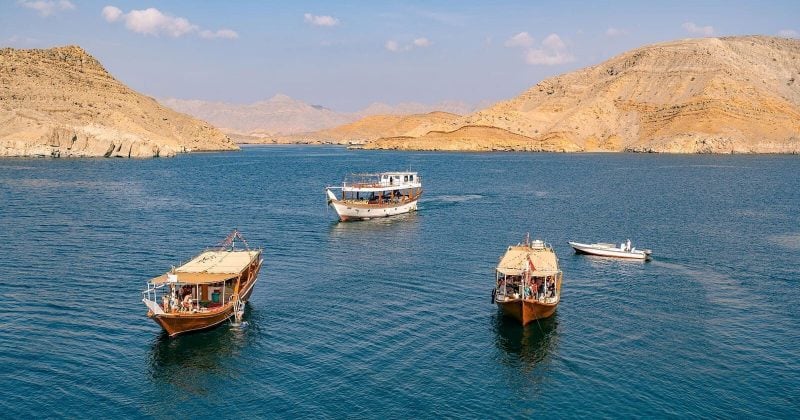
Oman condemns Iran’s drone attacks on Musandam Governorate as regional tensions escalate
Strikes near the Strait of Hormuz raise oil supply fears and test Oman's historically neutral diplomatic posture
Iran has launched a series of drone attacks on Omani territory, targeting sites in the Musandam Governorate, and Oman has responded with formal condemnations while walking a careful diplomatic line. The attacks, which began on February 28, 2026, have killed 18 people and injured 23 others across multiple governorates, making this one of the most serious violations of Omani sovereignty in recent memory.
The timing and location matter enormously. Musandam sits on a narrow peninsula that juts into the Strait of Hormuz, the chokepoint through which a significant portion of the world’s seaborne oil passes.
What happened, and where things stand
The first wave of strikes landed on February 28, 2026. A follow-on attack on March 1 killed three people in strikes linked to tanker activity in the region. Attacks continued through July 2026, including strikes on Qatari tankers on July 7.
Iran has denied direct responsibility, describing Oman as a “friend and neighbor” in official communications.
Oman has condemned the strikes while deliberately stopping short of direct public attribution in its official statements. Oman has spent decades cultivating a reputation as the Gulf’s quiet mediator, maintaining open channels with Tehran even as other Arab states severed ties.
The news moving money, markets, and the world—before your day starts.
Daily. Free. Join 34,000+ readers across crypto, finance, and policy.
The Omani government has emphasized its commitment to sovereignty and called for restraint from all parties.
Why Musandam makes this more than a local dispute
The Musandam Peninsula controls physical access to the Strait of Hormuz, the narrow waterway separating the Gulf of Oman from the Persian Gulf.
Tanker strikes in the area, like those recorded on March 1, are not new as a concept. What is new is the direct targeting of Omani territory rather than simply vessels transiting the strait, representing the first direct strikes on Omani territory during the ongoing conflict.
What this means for markets and investors
The research notes no direct implications have been identified in relation to cryptocurrencies or digital assets in the context of these attacks. Tehran has used crypto as a tool for sanctions evasion, a fact acknowledged by the US Treasury and various blockchain analytics firms over the years.
For investors monitoring the situation, the near-term variables worth watching are threefold. First, whether Oman’s condemnations escalate into formal diplomatic rupture with Tehran. Second, whether the tanker strikes in the Hormuz corridor intensify. Third, whether Gulf Cooperation Council members align publicly behind Oman, which would transform a bilateral dispute into a broader regional realignment.