
Oman opposes transit fees in Strait of Hormuz, splitting from Iran on oil shipping chokepoint
The diplomatic rift over the world's most important oil shipping lane could reshape energy costs and ripple across crypto markets tied to commodities.
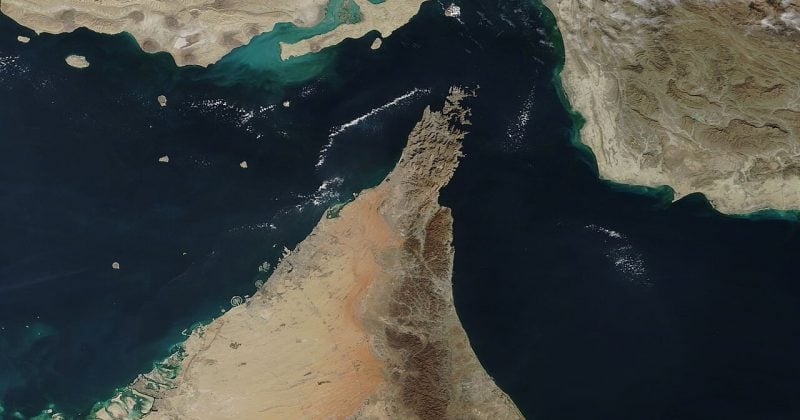
Oman just drew a line in the water. The country’s Foreign Minister Badr bin Hamad Al Busaidi told the United Nations that Oman opposes charging vessels simply for passing through the Strait of Hormuz, calling such tolls illegal under international maritime law. That puts Oman squarely at odds with Iran, which has been pushing for mandatory transit fees on every ship that crosses through the narrow waterway.
What Oman is actually proposing
Instead of mandatory tolls for transit, Oman is advocating for voluntary service fees tied to specific functions: navigational safety, pollution prevention, and emergency preparedness. Oman formally submitted this proposal to the US and its Western allies, framing it as consistent with the United Nations Convention on the Law of the Sea (UNCLOS). That treaty enshrines the principle of “transit passage,” which prohibits fees for simply moving through international straits.
Iran sees it differently. Tehran has been pushing for obligatory tolls as part of a broader administrative framework for managing the strait, a position that would effectively give Iran a revenue stream from every barrel of oil that leaves the Persian Gulf by sea.
The conflict that started this conversation
This diplomatic standoff didn’t emerge from nowhere. Earlier in 2026, a US-Iran conflict briefly disrupted shipping through the strait. Following that conflict, a memorandum of understanding established a 60-day period of free passage for all vessels. Once that window closed, Iran and Oman were directed to develop a long-term administrative plan for the waterway.
That’s where the disagreement crystallized. Iran treated the post-conflict framework as an opening to monetize the strait. Oman, which shares sovereignty over the waterway’s narrowest point, took the opposite approach, anchoring its position in established international law.
The news moving money, markets, and the world—before your day starts.
Daily. Free. Join 34,000+ readers across crypto, finance, and policy.
Why energy traders and crypto markets should pay attention
The Strait of Hormuz handles an estimated 20% of global oil trade. Any fee structure imposed on vessels transiting the strait would add costs to every barrel shipped from Saudi Arabia, Iraq, Kuwait, the UAE, and Qatar. If Iran’s mandatory fee proposal gains traction, the immediate effect would be higher transportation costs for Persian Gulf oil and gas exports.
Oman’s voluntary framework, by contrast, would likely have minimal impact on shipping costs. Services like enhanced navigation safety or emergency response would represent marginal expenses for major tanker operators, not systemic cost increases.
The distinction between mandatory and voluntary fees has materially different financial implications. Mandatory fees would function as a de facto tariff on global energy supply. Voluntary fees would function more like optional insurance. UNCLOS is clear on transit passage rights, and the international community, particularly the US and European allies, has strong incentives to keep the strait toll-free.