
Nexo Earn with Nexo
OPEC+ leaders expected to raise July oil output target by 188,000 bpd

OPEC+ leaders expected to raise July oil output target by 188,000 bpd

The planned production bump lands during a period when Gulf supply has already cratered by nearly 10 million barrels per day due to the Strait of Hormuz closure.

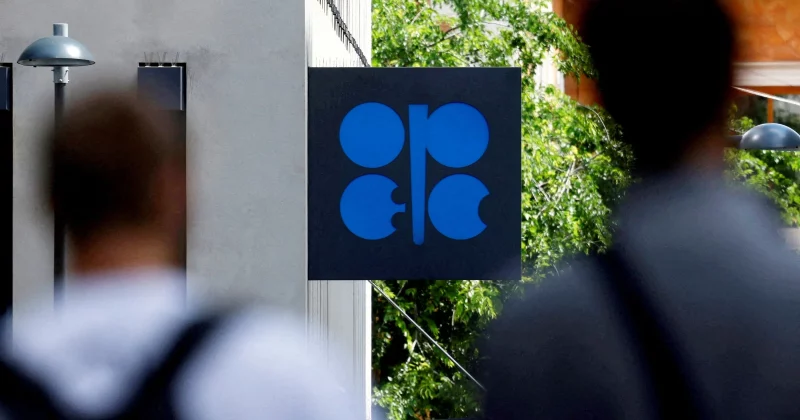
OPEC+ is preparing to nudge its collective oil production target higher by 188,000 barrels per day for July, a decision set to be formalized at the group’s June 7 meeting. Seven core OPEC+ members, including Saudi Arabia, Russia, Iraq, Kuwait, Algeria, Kazakhstan, and Oman, are expected to approve the incremental bump. But the actual ability of several Gulf producers to deliver on higher targets has been severely compromised by the ongoing disruption at the Strait of Hormuz.

A target increase with an asterisk

The Strait of Hormuz, the narrow waterway through which roughly a fifth of the world’s oil supply typically flows, has been effectively closed due to the ongoing Iran conflict. That closure has slashed Gulf supply by approximately 9.9 to 10 million barrels per day, a staggering volume that dwarfs the planned 188,000 bpd increase by a factor of roughly 50.

Advertisement

OPEC+ actual production stood at 33.19 million bpd in April, a sharp decline from 42.77 million bpd just two months earlier in February 2026. That is nearly a 10 million bpd drop in realized output over a matter of weeks, almost entirely attributable to the Hormuz disruption.

Meanwhile, the group-wide output cut of 2 million bpd, originally agreed upon in 2022, remains firmly in place and is set to extend through the end of 2026. That policy operates on a separate track from the incremental monthly adjustments being discussed for July.

Why the increase matters anyway

The UAE’s departure in early May reshuffled the internal dynamics. Losing a member that was consistently pushing for a larger production quota freed up some room for the remaining seven core producers to absorb incremental increases without triggering quota disputes. The 188,000 bpd figure, split across seven countries, amounts to roughly 27,000 bpd per nation on average.

What this means for investors

The roughly 10 million bpd reduction in Gulf supply represents a historically significant constraint. The entire global oil market typically operates on a surplus-deficit swing of 1 to 2 million bpd in a normal year. Traders who interpret the 188,000 bpd increase as a bearish signal for oil prices are likely misreading the situation. The increase is incremental, largely undeliverable under current conditions, and exists within a framework that still includes a 2 million bpd structural cut through 2026.

A sudden return of nearly 10 million bpd to global markets would create a supply shock in the opposite direction, potentially forcing OPEC+ into emergency cuts. The gap between OPEC+ targets and OPEC+ reality has rarely been this wide.

Disclosure: This article was edited by Editorial Team. For more information on how we create and review content, see our Editorial Policy.

OPEC+ leaders expected to raise July oil output target by 188,000 bpd

OPEC+ leaders expected to raise July oil output target by 188,000 bpd

The planned production bump lands during a period when Gulf supply has already cratered by nearly 10 million barrels per day due to the Strait of Hormuz closure.

OPEC+ is preparing to nudge its collective oil production target higher by 188,000 barrels per day for July, a decision set to be formalized at the group’s June 7 meeting. Seven core OPEC+ members, including Saudi Arabia, Russia, Iraq, Kuwait, Algeria, Kazakhstan, and Oman, are expected to approve the incremental bump. But the actual ability of several Gulf producers to deliver on higher targets has been severely compromised by the ongoing disruption at the Strait of Hormuz.

A target increase with an asterisk

The Strait of Hormuz, the narrow waterway through which roughly a fifth of the world’s oil supply typically flows, has been effectively closed due to the ongoing Iran conflict. That closure has slashed Gulf supply by approximately 9.9 to 10 million barrels per day, a staggering volume that dwarfs the planned 188,000 bpd increase by a factor of roughly 50.

Advertisement

OPEC+ actual production stood at 33.19 million bpd in April, a sharp decline from 42.77 million bpd just two months earlier in February 2026. That is nearly a 10 million bpd drop in realized output over a matter of weeks, almost entirely attributable to the Hormuz disruption.

Meanwhile, the group-wide output cut of 2 million bpd, originally agreed upon in 2022, remains firmly in place and is set to extend through the end of 2026. That policy operates on a separate track from the incremental monthly adjustments being discussed for July.

Why the increase matters anyway

The UAE’s departure in early May reshuffled the internal dynamics. Losing a member that was consistently pushing for a larger production quota freed up some room for the remaining seven core producers to absorb incremental increases without triggering quota disputes. The 188,000 bpd figure, split across seven countries, amounts to roughly 27,000 bpd per nation on average.

What this means for investors

The roughly 10 million bpd reduction in Gulf supply represents a historically significant constraint. The entire global oil market typically operates on a surplus-deficit swing of 1 to 2 million bpd in a normal year. Traders who interpret the 188,000 bpd increase as a bearish signal for oil prices are likely misreading the situation. The increase is incremental, largely undeliverable under current conditions, and exists within a framework that still includes a 2 million bpd structural cut through 2026.

A sudden return of nearly 10 million bpd to global markets would create a supply shock in the opposite direction, potentially forcing OPEC+ into emergency cuts. The gap between OPEC+ targets and OPEC+ reality has rarely been this wide.

Disclosure: This article was edited by Editorial Team. For more information on how we create and review content, see our Editorial Policy.