
OpenAI subpoenaed for documents on user impact and activities
Florida's attorney general is conducting a criminal investigation into how OpenAI handles user threats, with subpoenas demanding internal policies and employee records dating back to March 2024.
Florida Attorney General James Uthmeier has issued subpoenas to OpenAI as part of a criminal investigation into the company’s activities and how its flagship product, ChatGPT, handles user threats of harm.
The subpoenas, issued on April 21, 2026, request a sweeping range of internal documents. We’re talking training materials, operational guidelines, organizational charts, employee listings related to ChatGPT, and any records of the company’s cooperation with law enforcement on threats of harm. The document requests cover the period from March 1, 2024 through April 17, 2026, giving investigators more than two years of operational history to sift through.
From subpoenas to a full lawsuit
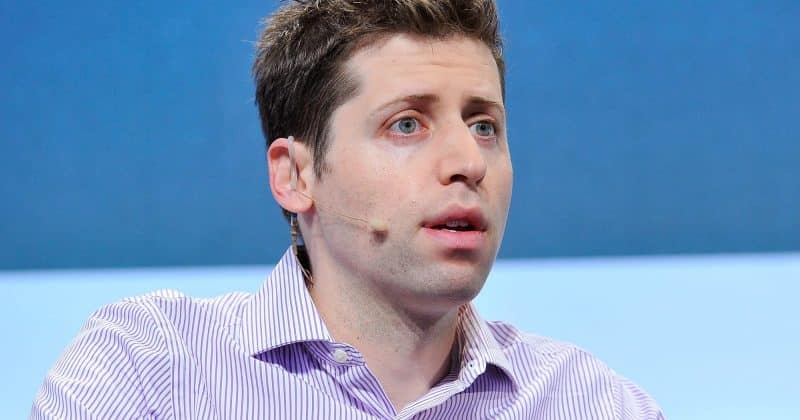
The investigation didn’t stop at document requests. On June 1, 2026, Florida escalated by filing a civil lawsuit against both OpenAI and CEO Sam Altman personally. The core allegation: that the company knowingly distributed an unsafe product that poses significant risks to its users.
The probe is tied to a 2025 mass shooting at Florida State University, where the suspect reportedly used ChatGPT during the planning stages. The lawsuit accuses OpenAI of failing to implement adequate safeguards, essentially arguing that the company understood the risks its technology posed and shipped it anyway. Naming Altman as a defendant signals that Florida intends to hold leadership personally accountable, not just the corporate entity.
AI, tech, and the markets they move—in one daily briefing.
Daily. Free. Join 34,000+ readers across crypto, finance, and policy.
What Florida is looking for
The demand for law enforcement cooperation records is equally telling. If OpenAI received tips or flagged content about potential threats, investigators want to know what happened next. Did the company alert authorities promptly? Did reports get lost in an internal queue? Were there protocols in place at all?
Training materials and operational guidelines round out the picture. These documents would reveal what OpenAI told its employees about handling dangerous content, what the company’s internal standards were, and whether those standards evolved over the two-year period in question.
What this means for the AI industry and investors
For crypto market participants, there’s an important structural observation here. Despite OpenAI’s massive footprint in the tech world, this legal saga has generated essentially zero crossover with digital asset markets. No crypto tokens are implicated, no blockchain-related allegations have surfaced, and crypto-focused media outlets have largely not covered the proceedings.