
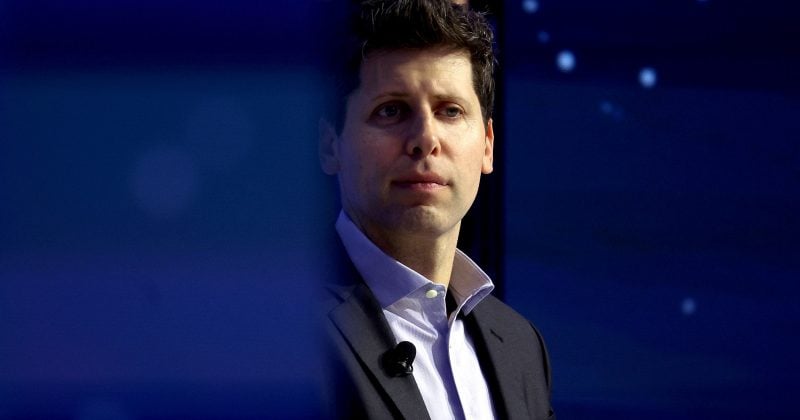
OpenAI seeks dismissal of xAI lawsuit, demands $1M in legal fees

OpenAI seeks dismissal of xAI lawsuit, demands $1M in legal fees

A federal judge sided with OpenAI, tossing xAI's trade secret theft claims with prejudice in what marks Elon Musk's second courtroom loss against his former company

Elon Musk’s AI venture just took another legal hit. US District Judge Rita Lin dismissed xAI’s trade secret misappropriation lawsuit against OpenAI with prejudice, meaning xAI can’t come back with amended claims. OpenAI is now looking to recoup more than $1 million in legal costs from the ordeal.

The ruling, handed down on June 15, caps a case that xAI originally filed in September 2025. The core allegation was dramatic: xAI accused OpenAI of orchestrating a “coordinated campaign” of employee poaching and inducing a former xAI employee to leak sensitive proprietary information related to its technologies, particularly around Grok, xAI’s flagship AI model.

Judge Lin wasn’t convinced. She found that xAI failed to establish a direct link between OpenAI’s actions and any alleged theft by the former employee.

Advertisement

Musk’s losing streak against OpenAI

This isn’t even Musk’s first loss against OpenAI in recent months. A jury rejected separate claims Musk had filed against the company back in May 2026. Two swings, two misses.

The February 2026 timeline matters here too. Judge Lin had already dismissed parts of the case once before, giving xAI a chance to strengthen its arguments. This second dismissal, now with prejudice, suggests the court found the underlying claims fundamentally lacking rather than just poorly argued.

Following standard procedure after a judgment with prejudice, OpenAI is positioned to pursue recovery of legal fees and costs exceeding $1 million.

The backstory: frenemies turned rivals

Musk co-founded OpenAI back in 2015 as a nonprofit AI research lab, then departed from its board in 2018. He launched xAI in 2023, positioning it as a direct competitor. The company quickly built Grok, an AI chatbot integrated into X (formerly Twitter). xAI alleged that the talent flow was going the wrong direction and that proprietary knowledge was traveling with it.

Non-compete agreements are largely unenforceable in California, where most of these companies operate, which makes trade secret claims one of the few legal tools available to companies that feel they’ve been raided. But proving that a competitor actively induced the theft of trade secrets is a high bar, as Judge Lin’s ruling demonstrates.

Disclosure: This article was edited by Editorial Team. For more information on how we create and review content, see our Editorial Policy.

OpenAI seeks dismissal of xAI lawsuit, demands $1M in legal fees

OpenAI seeks dismissal of xAI lawsuit, demands $1M in legal fees

A federal judge sided with OpenAI, tossing xAI's trade secret theft claims with prejudice in what marks Elon Musk's second courtroom loss against his former company

Elon Musk’s AI venture just took another legal hit. US District Judge Rita Lin dismissed xAI’s trade secret misappropriation lawsuit against OpenAI with prejudice, meaning xAI can’t come back with amended claims. OpenAI is now looking to recoup more than $1 million in legal costs from the ordeal.

The ruling, handed down on June 15, caps a case that xAI originally filed in September 2025. The core allegation was dramatic: xAI accused OpenAI of orchestrating a “coordinated campaign” of employee poaching and inducing a former xAI employee to leak sensitive proprietary information related to its technologies, particularly around Grok, xAI’s flagship AI model.

Judge Lin wasn’t convinced. She found that xAI failed to establish a direct link between OpenAI’s actions and any alleged theft by the former employee.

Advertisement

Musk’s losing streak against OpenAI

This isn’t even Musk’s first loss against OpenAI in recent months. A jury rejected separate claims Musk had filed against the company back in May 2026. Two swings, two misses.

The February 2026 timeline matters here too. Judge Lin had already dismissed parts of the case once before, giving xAI a chance to strengthen its arguments. This second dismissal, now with prejudice, suggests the court found the underlying claims fundamentally lacking rather than just poorly argued.

Following standard procedure after a judgment with prejudice, OpenAI is positioned to pursue recovery of legal fees and costs exceeding $1 million.

The backstory: frenemies turned rivals

Musk co-founded OpenAI back in 2015 as a nonprofit AI research lab, then departed from its board in 2018. He launched xAI in 2023, positioning it as a direct competitor. The company quickly built Grok, an AI chatbot integrated into X (formerly Twitter). xAI alleged that the talent flow was going the wrong direction and that proprietary knowledge was traveling with it.

Non-compete agreements are largely unenforceable in California, where most of these companies operate, which makes trade secret claims one of the few legal tools available to companies that feel they’ve been raided. But proving that a competitor actively induced the theft of trade secrets is a high bar, as Judge Lin’s ruling demonstrates.

Disclosure: This article was edited by Editorial Team. For more information on how we create and review content, see our Editorial Policy.