
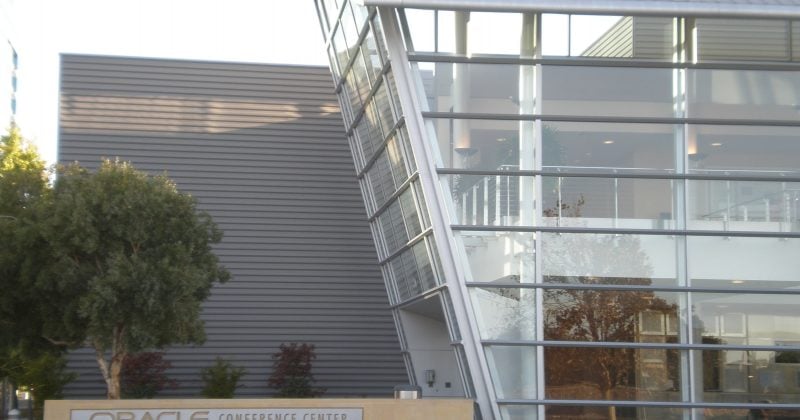
Oracle faces multibillion-dollar cost surprises at AI megacampuses
Loan syndication struggles, soaring capex, and a 19% stock drop reveal the brutal economics of hyperscale AI infrastructure
Building the future is expensive. Building it at Oracle’s scale is turning out to be something else entirely.
Oracle is running into a wall of financial friction as it tries to fund a sprawling network of AI data centers tied to its $300 billion computing agreement with OpenAI. The Stargate megasite in Abilene, Texas, plus additional facilities planned for Wisconsin, sit at the center of the trouble. Banks including JPMorgan Chase are reportedly struggling to syndicate the billions in loans needed to keep construction moving, with exposure limits at individual institutions creating a bottleneck that tighter credit conditions are making worse.
The numbers are staggering, and getting bigger
Oracle’s capital expenditures tell the story clearly. The company spent $21.2 billion in fiscal year 2025 on infrastructure. That figure jumped to $55.7 billion in fiscal 2026. The plan for fiscal 2027 calls for somewhere between $90 billion and $95 billion.
To bridge near-term financing gaps, Oracle raised $18 billion through bond issuance in September 2025. That is a meaningful capital raise by any measure, but against a $90-plus billion capex target, it covers less than a quarter of the projected spend.
Oracle’s stock has responded accordingly. Shares fell nearly 19% within a single month, as investors processed the combination of rising debt loads, construction cost overruns, and reports circulating about potential workforce reductions in the range of 20,000 to 30,000 employees.
Power, supply chains, and the physics of building big
Beyond the financing headaches, Oracle has flagged a set of operational risks that read like a checklist of everything that can go wrong with a hyperscale buildout.
AI, tech, and the markets they move—in one daily briefing.
Daily. Free. Join 34,000+ readers across crypto, finance, and policy.
Power constraints sit at the top of the list. AI data centers are extraordinary consumers of electricity. Securing dedicated grid capacity in regions like central Texas and the Midwest is neither fast nor cheap. Local regulatory hurdles add another layer, as utilities, municipalities, and state agencies all have a seat at the table when a company wants to plug something this large into the grid.
Supply chain disruptions are the second major risk. The hardware required for AI training clusters, from custom chips to specialized cooling systems, is in high demand across the entire industry simultaneously.
Escalating energy costs round out the risk profile. Construction budgets are sensitive to energy prices because steel production, cement, and logistics all carry embedded energy costs.
What this means for investors watching AI infrastructure plays
When banks struggle to syndicate loans for a project backed by a company of Oracle’s size and credit history, it signals that lenders are quietly recalibrating their exposure to the sector. Smaller players trying to build similar infrastructure with thinner balance sheets will face even tighter terms.
The key variables to track are whether Oracle can improve loan syndication conditions, how its fiscal 2027 capex guidance evolves, and whether energy and supply chain costs stabilize in the regions where it is building.