
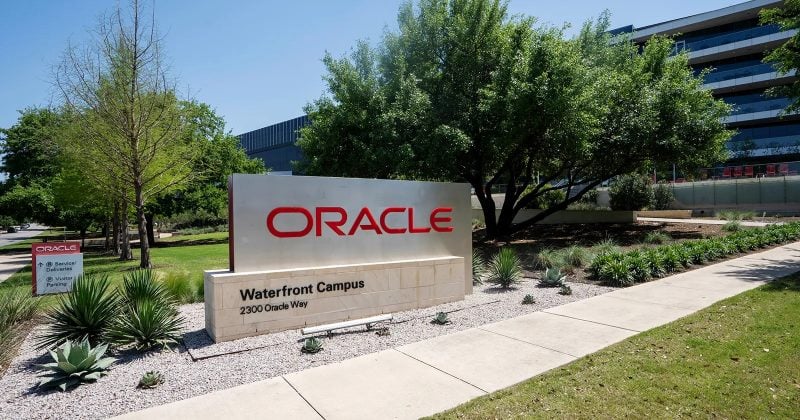
Oracle stock slumps amid investor scrutiny of AI expansion costs
The database giant's $56 billion capex bet on AI infrastructure has burned through cash, ballooned debt to $130 billion, and sent shares tumbling more than 25% year-to-date.
Oracle is learning a painful lesson about the gap between AI ambition and investor patience. The company’s stock has cratered more than 25% year-to-date and roughly 55% from its September 2025 peak, as Wall Street grows increasingly nervous about the sheer volume of cash being funneled into AI infrastructure with uncertain near-term returns.
The numbers tell a stark story. Oracle’s capital expenditures for fiscal 2026 surged to approximately $56 billion, a 162% increase compared to the prior year. That spending spree pushed the company into negative free cash flow territory to the tune of about $24 billion, while total debt swelled to around $130 billion by late May 2026.
The AI spending arms race claims another victim
The company actually beat both revenue and earnings-per-share estimates in its June report. Didn’t matter. Shares plummeted more than 12% in a single session after the company revealed plans for continued elevated spending and floated the possibility of additional debt and equity raises for the next fiscal year.
On June 2, 2026, Oracle shares dropped 4.2% in premarket trading after Alphabet announced an $80 billion AI funding initiative.
Analysts project Oracle’s cumulative capex through fiscal 2028 will reach approximately $275 billion.
AI, tech, and the markets they move—in one daily briefing.
Daily. Free. Join 34,000+ readers across crypto, finance, and policy.
Why the crypto market should be paying attention
Oracle also executed workforce reductions during this period to redirect resources toward infrastructure needs.
What this means for investors
Oracle’s strategy centers on building out cloud database and infrastructure capabilities to support enterprise-level AI workloads. With capex running far above operating cash flow, the company is essentially borrowing from its future to build for its future. With total debt around $130 billion, if AI revenue doesn’t materialize at the pace needed to service that debt, the math gets ugly fast.
The divergence between Oracle’s strong top-line performance (beating estimates) and its stock collapse (down 55% from peak) suggests the market is no longer willing to reward revenue growth that comes at the cost of financial discipline.