
Nexo Earn with Nexo
Pakistan bars Israel from US-Iran peace talks in Islamabad

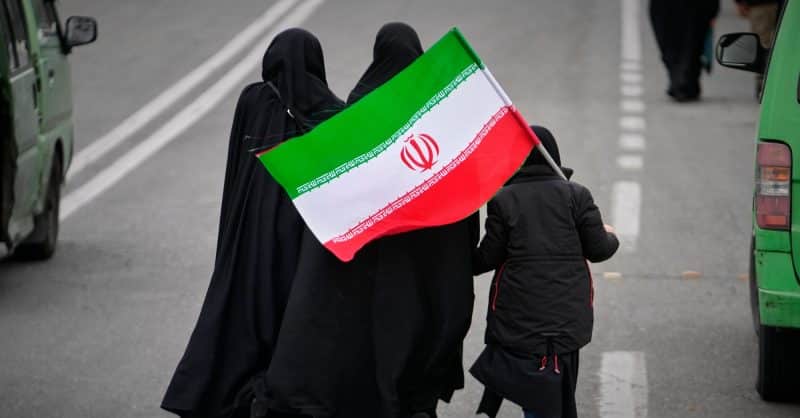
Photo by: Vahid Salemi

Pakistan bars Israel from US-Iran peace talks in Islamabad

US-Iran Ceasefire

Pakistan has barred Israel from participating in US-Iran peace talks in Islamabad, with the Polymarket ceasefire contract for April 15 sitting at 100% YES.

The exclusion follows Pakistan’s lack of diplomatic ties with Israel. The April 15 ceasefire market holds at 100% YES, unchanged despite the ban. Longer-term sub-markets from April 30 through December 31 are all at 100% YES. These prices suggest traders still expect a formal cessation of hostilities while talks continue.

Advertisement

Trading volume across these sub-markets is zero, so the 100% odds reflect an absence of active trading rather than strong conviction. Pakistan’s decision to exclude Israel complicates mediation efforts and could affect the timeline for a permanent peace deal by April 22, given the added diplomatic friction.

Excluding a key regional player from negotiations makes the process more fragile. For traders, the contrarian angle is buying YES at low prices on sub-markets where talks could eventually resume with broader participation. Watch for any change in Pakistan’s diplomatic posture or engagement from mediators like Oman and Qatar.

Hegseth’s next briefing and potential CENTCOM statements could signal whether this diplomatic strain spills over into military developments.

Get prediction market intelligence as a structured API feed. Early access waitlist.

Disclosure: This article was edited by Estefano Gomez. For more information on how we create and review content, see our Editorial Policy.

Pakistan bars Israel from US-Iran peace talks in Islamabad

Pakistan bars Israel from US-Iran peace talks in Islamabad

US-Iran Ceasefire

Photo by: Vahid Salemi

Pakistan has barred Israel from participating in US-Iran peace talks in Islamabad, with the Polymarket ceasefire contract for April 15 sitting at 100% YES.

The exclusion follows Pakistan’s lack of diplomatic ties with Israel. The April 15 ceasefire market holds at 100% YES, unchanged despite the ban. Longer-term sub-markets from April 30 through December 31 are all at 100% YES. These prices suggest traders still expect a formal cessation of hostilities while talks continue.

Advertisement

Trading volume across these sub-markets is zero, so the 100% odds reflect an absence of active trading rather than strong conviction. Pakistan’s decision to exclude Israel complicates mediation efforts and could affect the timeline for a permanent peace deal by April 22, given the added diplomatic friction.

Excluding a key regional player from negotiations makes the process more fragile. For traders, the contrarian angle is buying YES at low prices on sub-markets where talks could eventually resume with broader participation. Watch for any change in Pakistan’s diplomatic posture or engagement from mediators like Oman and Qatar.

Hegseth’s next briefing and potential CENTCOM statements could signal whether this diplomatic strain spills over into military developments.

Get prediction market intelligence as a structured API feed. Early access waitlist.

Disclosure: This article was edited by Estefano Gomez. For more information on how we create and review content, see our Editorial Policy.