
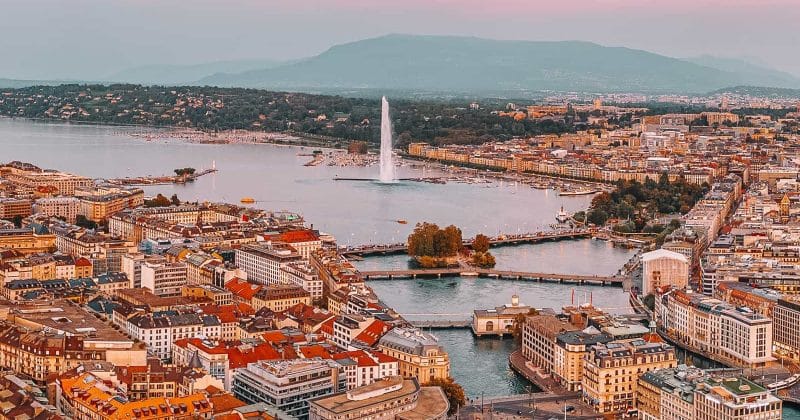
Pakistan to host US-Iran understanding signing ceremony in Geneva on June 19
Pakistani PM Shehbaz Sharif says a peace agreement between Washington and Tehran will be formally signed this week, with Islamabad serving as the key mediator.
Pakistan has positioned itself at the center of one of the most consequential diplomatic developments in years. Prime Minister Shehbaz Sharif announced on June 14 that the United States and Iran have reached a peace agreement, with a formal signing ceremony scheduled for June 19 in Geneva.
The deal calls for an immediate and permanent halt to military operations on all fronts, explicitly including Lebanon.
What’s in the deal, and who brokered it
The agreement follows months of escalating conflict that traces back to late February 2026, when tensions between the US and Iran spiraled into open military confrontation across multiple theaters.
Pakistan is the headline mediator, but it didn’t work alone. Qatar, Saudi Arabia, and Turkey have all been recognized for their roles in getting both sides to the table. Preparatory meetings are set to take place in Doha during the week of June 15, laying the groundwork before the Geneva signing.
Both the US and Iranian administrations have confirmed aspects of the agreement. The accord reportedly addresses Iran’s nuclear program and broader regional security concerns, though full details have not been publicly released ahead of the ceremony. US President Donald Trump and PM Sharif have both been personally involved in negotiating the preliminary stages.
Why Pakistan, and why now
Pakistan’s role as mediator might surprise casual observers, but it makes a certain strategic sense. Islamabad shares a border with Iran, maintains working relationships with Gulf states, and has historically served as a back-channel partner for Washington on sensitive regional matters.
Qatar’s involvement in the preparatory phase reflects its established track record as a diplomatic venue. The country has hosted talks involving the Taliban, Hamas, and various other actors that major powers needed to engage with but couldn’t be seen engaging with directly.
What this means for markets and investors
The Strait of Hormuz, through which roughly a fifth of the world’s oil supply passes on any given day, has been a flashpoint throughout the conflict. Market participants are already pricing in expectations that a formalized peace deal could reopen or stabilize transit through the strait, which would ease supply constraints that have kept oil prices elevated and volatile for months.
A sustained reduction in Middle Eastern military activity would likely push oil prices lower, benefiting energy-importing nations and potentially cooling inflationary pressures that central banks have been battling.