
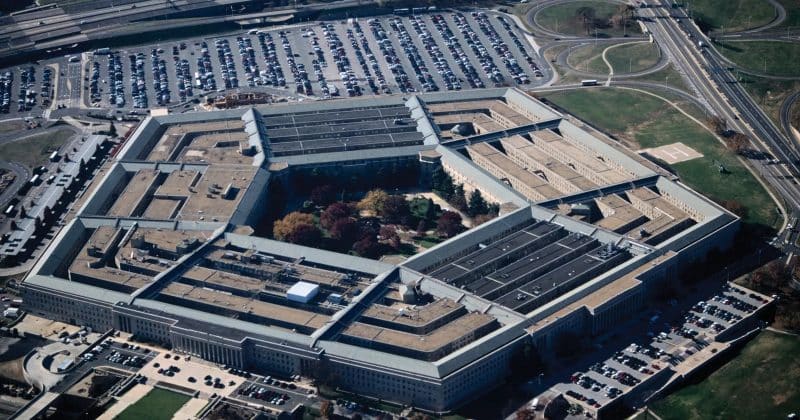
Pentagon delays announcement of Iran strikes until after market close

Pentagon delays announcement of Iran strikes until after market close

The timing of military action around trading hours reveals a deliberate strategy to cushion Wall Street from geopolitical shocks.

The US Pentagon timed its announcement of military strikes on Iran to land after the stock market closed on June 26, 2026. The goal, put plainly: keep traders from panic-selling in real time while bombs were falling.

A pattern, not an accident

Back in March 2026, President Trump announced a five-day postponement of planned strikes against Iranian power plants, citing “very good and productive conversations.” That announcement landed on Truth Social, shortly after trading hours.

The pause coincided with an S&P 500 rally and notable fluctuations in oil prices. The June 26 strikes followed Trump’s public comments about ceasefire violations by Iran. Rather than announcing retaliatory action during the trading day, the Pentagon held the news until after the closing bell.

Advertisement

Crypto caught in the crossfire

On March 23, 2026, Bitcoin surged from approximately $67,500 to over $71,200, a move of roughly 5.5% in a single session. The catalyst was optimism around the announced pause in strikes and the implication that diplomacy might prevail.

That rally didn’t last. Iran denied the communications Trump had referenced, and Bitcoin retraced sharply.

The 24/7 nature of crypto markets means that post-market-close timing by the Pentagon does nothing to protect digital asset holders. When the June 26 strike news broke, Bitcoin and other major tokens were still fully tradeable. Leveraged positions in crypto are particularly vulnerable to these kinds of after-hours geopolitical shocks, where liquidation cascades can amplify price moves far beyond what the underlying news would justify.

Prediction markets and the insider-trading question

Heavy betting on strike timelines and outcomes has raised legitimate concerns about insider trading. The volume of bets placed around strike windows has been significant enough to draw attention.

What this means for investors

The OECD has projected a 1.2% increase in G20 inflation as a consequence of conflict-related disruptions in oil and gas supply through the Strait of Hormuz.

A military strike announced at 5 PM Eastern on a Friday will hit crypto markets immediately but won’t touch equities until Monday morning. That gap creates a window where crypto prices can overshoot in either direction before the broader market even has a chance to weigh in.

Disclosure: This article was edited by Editorial Team. For more information on how we create and review content, see our Editorial Policy.

Pentagon delays announcement of Iran strikes until after market close

Pentagon delays announcement of Iran strikes until after market close

The timing of military action around trading hours reveals a deliberate strategy to cushion Wall Street from geopolitical shocks.

The US Pentagon timed its announcement of military strikes on Iran to land after the stock market closed on June 26, 2026. The goal, put plainly: keep traders from panic-selling in real time while bombs were falling.

A pattern, not an accident

Back in March 2026, President Trump announced a five-day postponement of planned strikes against Iranian power plants, citing “very good and productive conversations.” That announcement landed on Truth Social, shortly after trading hours.

The pause coincided with an S&P 500 rally and notable fluctuations in oil prices. The June 26 strikes followed Trump’s public comments about ceasefire violations by Iran. Rather than announcing retaliatory action during the trading day, the Pentagon held the news until after the closing bell.

Advertisement

Crypto caught in the crossfire

On March 23, 2026, Bitcoin surged from approximately $67,500 to over $71,200, a move of roughly 5.5% in a single session. The catalyst was optimism around the announced pause in strikes and the implication that diplomacy might prevail.

That rally didn’t last. Iran denied the communications Trump had referenced, and Bitcoin retraced sharply.

The 24/7 nature of crypto markets means that post-market-close timing by the Pentagon does nothing to protect digital asset holders. When the June 26 strike news broke, Bitcoin and other major tokens were still fully tradeable. Leveraged positions in crypto are particularly vulnerable to these kinds of after-hours geopolitical shocks, where liquidation cascades can amplify price moves far beyond what the underlying news would justify.

Prediction markets and the insider-trading question

Heavy betting on strike timelines and outcomes has raised legitimate concerns about insider trading. The volume of bets placed around strike windows has been significant enough to draw attention.

What this means for investors

The OECD has projected a 1.2% increase in G20 inflation as a consequence of conflict-related disruptions in oil and gas supply through the Strait of Hormuz.

A military strike announced at 5 PM Eastern on a Friday will hit crypto markets immediately but won’t touch equities until Monday morning. That gap creates a window where crypto prices can overshoot in either direction before the broader market even has a chance to weigh in.

Disclosure: This article was edited by Editorial Team. For more information on how we create and review content, see our Editorial Policy.