
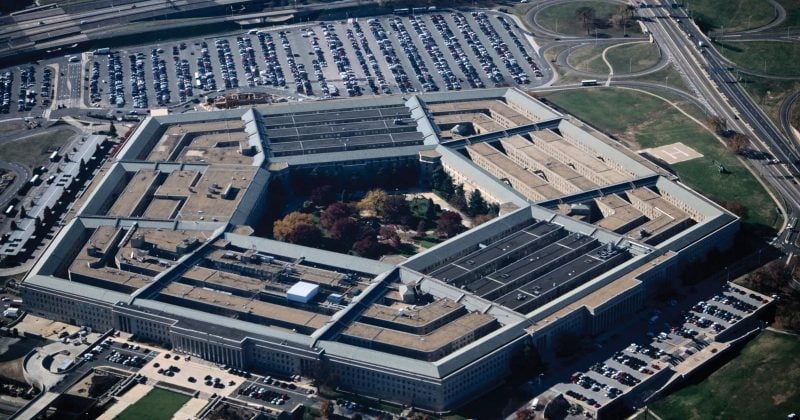
Intel officials predict Pentagon’s Iran war costs will exceed $100B, rattling markets and Bitcoin’s safe-haven narrative
With direct military spending already near $42B and long-term estimates topping $100B, the U.S.-Iran conflict is becoming a macro stress test for crypto markets
Pentagon costs for Operation Epic Fury reached roughly $29 billion by mid-May 2026, up from approximately $25 billion the month prior. Think tanks including the Center for Strategic and International Studies and the American Enterprise Institute put direct military expenditures somewhere between $38.6 billion and $42 billion by late June. Factor in long-term obligations like veteran care and indirect economic damage, and some analysts see the total bill exceeding $100 billion, with pessimistic projections pushing toward $200 billion.
The conflict began in late February 2026 and saw major combat operations wind down by mid-2026. No protocol was sanctioned. No exchange went dark. Yet Bitcoin moved anyway, because the transmission mechanism was yields and oil. U.S. Treasury yields climbed roughly 45 basis points in the early months of the conflict. Oil disruptions near the Strait of Hormuz created inflationary pressure that fed directly into the same macro anxiety driving yield moves.
The Trump administration has not released a comprehensive cost estimate for the conflict. Investors operating without official figures are left to rely on think-tank projections and leaked intelligence assessments.
Traders watching this situation should track three variables closely. First, Treasury yield direction: sustained moves higher signal tighter financial conditions that tend to compress Bitcoin’s valuation multiples. Second, official inflation readings: a re-acceleration in CPI tied to oil would force the Fed’s hand and likely pressure risk assets in the near term. Third, any formal U.S. government cost disclosure: if and when the administration publishes a comprehensive war cost estimate, markets will immediately begin pricing the debt implications.
Macro, rates, and crypto—what moved markets and what matters next.
Daily. Free. Join 34,000+ readers across crypto, finance, and policy.
The ceasefire reached by mid-2026 removes the most acute tail risk of an open-ended escalation, but it does not erase the bill already run up.