
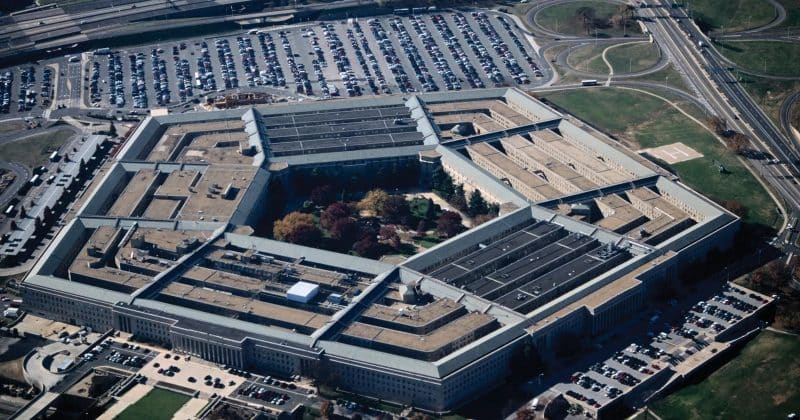
Pentagon estimates Iran war costs at $29B, but true price tag may hit $200B

Pentagon estimates Iran war costs at $29B, but true price tag may hit $200B

The Department of Defense is asking Congress for $80 billion more as independent analysts warn the final bill could dwarf official projections, with ripple effects already hitting crypto markets.

The Pentagon says its war in Iran has cost $29 billion so far. Independent estimates suggest the real number could land closer to $200 billion when all the receipts come in.

The tab keeps growing

Operation Epic Fury kicked off on February 28, 2026. Within the first six days, the Department of Defense pegged costs at $11.3 billion. By late April, that figure had more than doubled to $25 billion. By mid-May, it hit $29 billion.

On Monday, the DoD told senators it needs an additional $80 billion in supplemental funding to cover ongoing expenses.

Advertisement

The conflict included a blockade of the Strait of Hormuz, one of the world’s most critical shipping corridors, along with active US-Israeli military operations that burned through munitions at a staggering pace. According to DoD figures, 15 US soldiers were killed in action and 538 were wounded.

The Center for Strategic and International Studies (CSIS) puts direct DoD costs closer to $40 billion when factoring in damage to military installations and equipment losses. Independent analysts project the all-in cost could approach or exceed $200 billion.

Nearly four months after fighting began, talks to reach a preliminary deal continued into Tuesday.

What this means for crypto investors

Bitcoin initially dropped approximately 8.5% when the conflict broke out in late February. Bitcoin recovered and actually outperformed numerous traditional assets as the war dragged on.

Traders should also watch the Strait of Hormuz situation closely. A prolonged blockade of that corridor disrupts global energy flows, drives up oil prices, and feeds inflation.

Disclosure: This article was edited by Editorial Team. For more information on how we create and review content, see our Editorial Policy.

Pentagon estimates Iran war costs at $29B, but true price tag may hit $200B

Pentagon estimates Iran war costs at $29B, but true price tag may hit $200B

The Department of Defense is asking Congress for $80 billion more as independent analysts warn the final bill could dwarf official projections, with ripple effects already hitting crypto markets.

The Pentagon says its war in Iran has cost $29 billion so far. Independent estimates suggest the real number could land closer to $200 billion when all the receipts come in.

The tab keeps growing

Operation Epic Fury kicked off on February 28, 2026. Within the first six days, the Department of Defense pegged costs at $11.3 billion. By late April, that figure had more than doubled to $25 billion. By mid-May, it hit $29 billion.

On Monday, the DoD told senators it needs an additional $80 billion in supplemental funding to cover ongoing expenses.

Advertisement

The conflict included a blockade of the Strait of Hormuz, one of the world’s most critical shipping corridors, along with active US-Israeli military operations that burned through munitions at a staggering pace. According to DoD figures, 15 US soldiers were killed in action and 538 were wounded.

The Center for Strategic and International Studies (CSIS) puts direct DoD costs closer to $40 billion when factoring in damage to military installations and equipment losses. Independent analysts project the all-in cost could approach or exceed $200 billion.

Nearly four months after fighting began, talks to reach a preliminary deal continued into Tuesday.

What this means for crypto investors

Bitcoin initially dropped approximately 8.5% when the conflict broke out in late February. Bitcoin recovered and actually outperformed numerous traditional assets as the war dragged on.

Traders should also watch the Strait of Hormuz situation closely. A prolonged blockade of that corridor disrupts global energy flows, drives up oil prices, and feeds inflation.

Disclosure: This article was edited by Editorial Team. For more information on how we create and review content, see our Editorial Policy.