
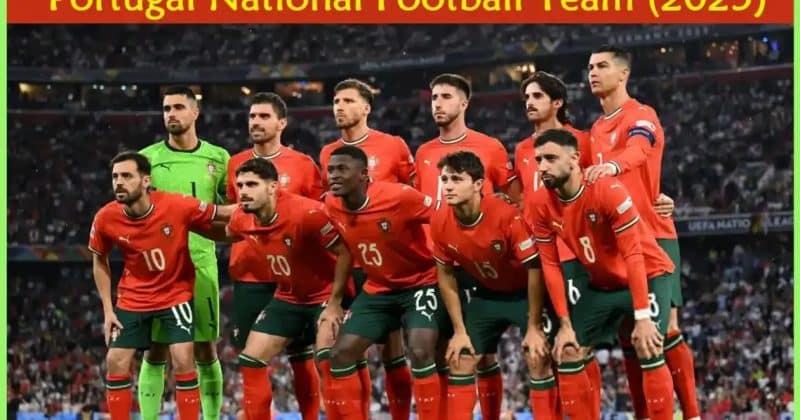
Portugal vs. Colombia World Cup match breaks ticket demand records as FIFA goes blockchain
Over 500 million requests for a single group-stage game signals how the 2026 World Cup is already rewriting the rulebook on fan demand and ticketing technology.
There are high-demand sporting events, and then there is whatever is happening with Portugal versus Colombia. The June 27, 2026 group-stage clash in Miami has generated more than 500 million ticket requests, making it the single most requested game across all 72 group-stage fixtures in the 2026 FIFA World Cup. That figure surpasses the demand seen for past World Cup finals.
Right-to-Buy, explained without the jargon
FIFA has built its 2026 ticketing infrastructure around a platform called FIFA Collect, which runs on a customized Avalanche Layer-1 blockchain. The system introduces two types of tradable digital assets: Right-to-Buy tokens, known as RTBs, and Right-to-Ticket tokens, known as RTTs.
FIFA Collect has issued more than 100,000 RTBs as of mid-June 2026. The secondary market for these assets has crossed $25 million in volume. RTT secondary volume has separately surpassed $15 million. Payments on the platform are processed in USDC on the Avalanche network. The Club World Cup has also been folded into the system, with more than 50,000 tickets bundled alongside RTBs.
Why this match, why now
The Portugal-Colombia matchup sits at the intersection of two massive global fanbases. Portugal carries Cristiano Ronaldo, one of the most followed athletes on the planet. Colombia brings a passionate South American following that travels in numbers. Miami, the host city for this fixture, already has deep cultural ties to both communities.
The news moving money, markets, and the world—before your day starts.
Daily. Free. Join 34,000+ readers across crypto, finance, and policy.
By recording ticket entitlements on a public ledger, FIFA gains visibility into every transfer of ownership. A ticket that changes hands six times before the match is traceable. A duplicate is detectable. The system does not eliminate the secondary market; it moves the secondary market into a controlled environment where FIFA sets the rules.
What this means for crypto markets and investors
FIFA chose Avalanche’s customizable Layer-1 architecture specifically because it could be configured to FIFA’s requirements, including the USDC payment rails, the RTB and RTT token structures, and the identity and compliance requirements that come with selling tickets to a global audience.
The $25 million in secondary volume on FIFA Collect represents genuine market activity. Fans are buying and selling these digital entitlements because they provide real access to real events.