
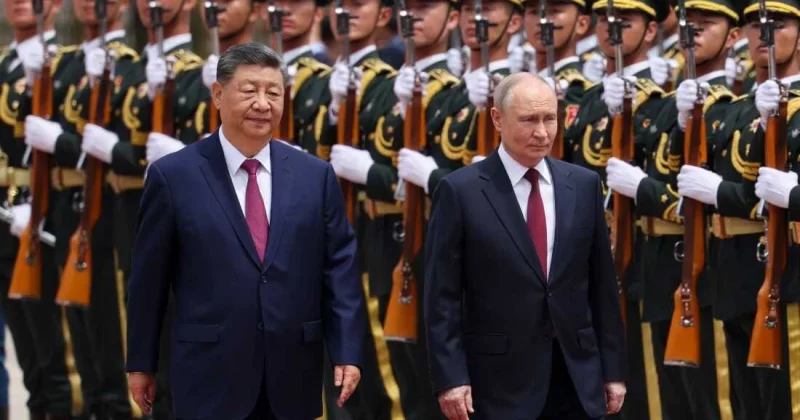
Putin proposes storing Iranian enriched uranium in Russia, pitches plan to Xi Jinping
The Kremlin's nuclear storage offer for Iran resurfaces during Putin's China visit, carrying potential ripple effects for geopolitical risk assets including crypto.
Russian President Vladimir Putin has floated the idea of transporting and storing Iran’s enriched uranium on Russian soil, raising the proposal directly with Chinese President Xi Jinping during a visit to China. Kremlin spokesperson Dmitry Peskov confirmed the discussion on May 21, 2026.
The proposal targets one of the most sensitive flashpoints in global nuclear politics: Iran’s stockpile of approximately 450 kg of uranium enriched to 60 percent. That’s not weapons-grade (which requires roughly 90 percent enrichment), but it’s close enough to make Western governments deeply uncomfortable.
A proposal that keeps coming back
This isn’t a fresh idea. Russia first pitched the uranium storage concept back in June 2025, positioning itself as a neutral custodian that could defuse the standoff between Washington and Tehran over Iran’s nuclear program.
Putin then raised it again with US President Donald Trump in March 2026. Trump rejected it. As of early February 2026, Russia’s foreign ministry publicly stated that the initiative remained on the table for Iran to consider.
No practical steps have been taken toward actually transferring any uranium. The proposal remains, for now, entirely theoretical.
Macro, rates, and crypto—what moved markets and what matters next.
Daily. Free. Join 34,000+ readers across crypto, finance, and policy.
Why Putin is talking to Xi about Iran’s uranium
China is Iran’s largest oil customer and has significant economic interests in the region. A diplomatic framework that reduces the risk of military escalation between the US and Iran serves Beijing’s commercial interests.
The Trump administration’s rejection of the proposal in March 2026 suggests Washington views Russia as an unreliable custodian. The question now is whether Putin’s outreach to Xi can generate enough multilateral pressure to revive the concept in a form that might eventually gain traction.
What this means for markets and crypto investors
Geopolitical instability, particularly involving nuclear-capable states and major oil producers, tends to drive capital toward assets perceived as hedges against systemic risk. When tensions between the US and Iran escalate, oil prices spike, inflation expectations shift, and risk assets including crypto tend to see increased volatility.
If this proposal, or some version of it, actually gains traction and leads to a reduction in US-Iran tensions, it could remove one of the background risk premiums that has periodically supported crypto prices. Stabilization in the Middle East generally means lower oil volatility and less incentive to seek alternative stores of value.
For now, with no concrete steps taken and the US already having rejected the plan once, this remains a diplomatic signal rather than a policy reality. Investors positioned in risk assets should track whether Iran responds to the proposal and whether any multilateral framework begins to take shape around it.