
Nexo Earn with Nexo
Putin proposes storing Iranian enriched uranium in Russia, pitches plan to Xi Jinping

Putin proposes storing Iranian enriched uranium in Russia, pitches plan to Xi Jinping

The Kremlin is positioning itself as a nuclear middleman between Iran and the West, reviving a diplomatic playbook from the Obama era.

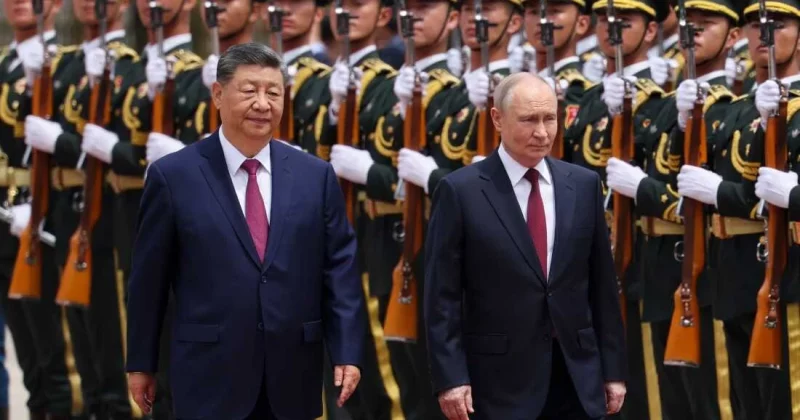
Russian President Vladimir Putin used his recent visit to Beijing to pitch Chinese President Xi Jinping on a bold piece of nuclear diplomacy: moving Iran’s enriched uranium stockpiles to Russia for storage. The proposal, confirmed by Kremlin spokesperson Dmitry Peskov, represents Moscow’s latest attempt to insert itself as the indispensable mediator in the increasingly tense standoff over Iran’s nuclear program.

The meeting took place on May 21, 2026.

Advertisement

A proposal that keeps getting rejected

Putin didn’t debut this plan in Beijing. He first floated it to US President Donald Trump during a phone call around March 13, 2026. The White House turned it down.

Undeterred, Russian Foreign Minister Sergey Lavrov brought the same pitch to China on April 15, 2026, emphasizing Russia’s willingness to reprocess Iran’s uranium into fuel-grade material.

Russia’s nuclear babysitting resume

This isn’t actually new territory for Moscow. Russia played a nearly identical role under the 2015 Joint Comprehensive Plan of Action, the Obama-era nuclear deal commonly known as the JCPOA. Under that agreement, Russia facilitated the physical relocation of large quantities of low-enriched uranium out of Iran.

That arrangement was widely considered one of the JCPOA’s most concrete achievements. Iran’s stockpile was reduced, international inspectors could verify the transfers, and Russia got to play the role of trusted custodian.

Putin’s decision to bring Xi Jinping into the conversation adds a new dimension. China was one of the original signatories to the JCPOA and has maintained relatively stable relations with Tehran.

Disclosure: This article was edited by Editorial Team. For more information on how we create and review content, see our Editorial Policy.

Putin proposes storing Iranian enriched uranium in Russia, pitches plan to Xi Jinping

Putin proposes storing Iranian enriched uranium in Russia, pitches plan to Xi Jinping

The Kremlin is positioning itself as a nuclear middleman between Iran and the West, reviving a diplomatic playbook from the Obama era.

Russian President Vladimir Putin used his recent visit to Beijing to pitch Chinese President Xi Jinping on a bold piece of nuclear diplomacy: moving Iran’s enriched uranium stockpiles to Russia for storage. The proposal, confirmed by Kremlin spokesperson Dmitry Peskov, represents Moscow’s latest attempt to insert itself as the indispensable mediator in the increasingly tense standoff over Iran’s nuclear program.

The meeting took place on May 21, 2026.

Advertisement

A proposal that keeps getting rejected

Putin didn’t debut this plan in Beijing. He first floated it to US President Donald Trump during a phone call around March 13, 2026. The White House turned it down.

Undeterred, Russian Foreign Minister Sergey Lavrov brought the same pitch to China on April 15, 2026, emphasizing Russia’s willingness to reprocess Iran’s uranium into fuel-grade material.

Russia’s nuclear babysitting resume

This isn’t actually new territory for Moscow. Russia played a nearly identical role under the 2015 Joint Comprehensive Plan of Action, the Obama-era nuclear deal commonly known as the JCPOA. Under that agreement, Russia facilitated the physical relocation of large quantities of low-enriched uranium out of Iran.

That arrangement was widely considered one of the JCPOA’s most concrete achievements. Iran’s stockpile was reduced, international inspectors could verify the transfers, and Russia got to play the role of trusted custodian.

Putin’s decision to bring Xi Jinping into the conversation adds a new dimension. China was one of the original signatories to the JCPOA and has maintained relatively stable relations with Tehran.

Disclosure: This article was edited by Editorial Team. For more information on how we create and review content, see our Editorial Policy.