
Nexo Earn with Nexo
Putin signals potential end to war in Ukraine, blames West for prolonging conflict

Putin signals potential end to war in Ukraine, blames West for prolonging conflict

A US-brokered ceasefire and prisoner exchange mark the most significant de-escalation in over four years of fighting, with Putin expressing willingness to meet Zelenskyy directly.

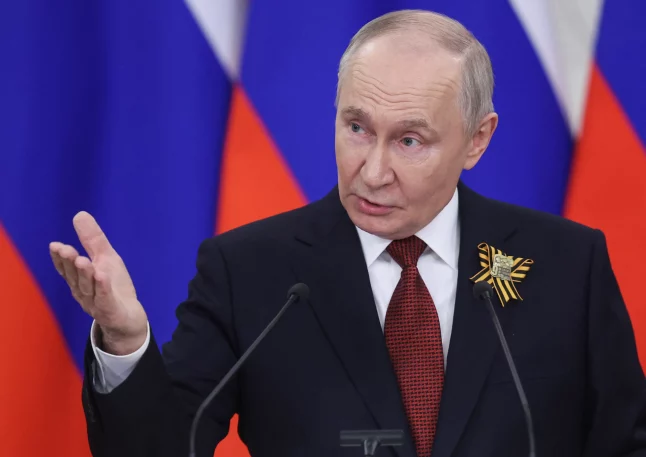
Russian President Vladimir Putin declared on May 9, 2026, that the war in Ukraine “is coming to an end.” The statement, made to reporters in Moscow following Victory Day commemorations, represents the most explicit signal from the Kremlin that a negotiated conclusion to the conflict may actually be within reach.

The declaration landed on the same day a US-brokered three-day ceasefire took effect, halting kinetic activity across the front lines from May 9 through May 11. President Donald Trump announced the ceasefire via Truth Social, adding a planned 1,000-for-1,000 prisoner exchange to the deal.

What the ceasefire actually looks like

The three-day pause covers all kinetic activity on both sides. Minor violations have been reported, but no major strikes have occurred since the ceasefire window opened.

The prisoner exchange follows a 1,000-for-1,000 format. Russia has already submitted its lists and is waiting on Ukrainian confirmation before the ceasefire expires on May 11.

Putin’s conditions and the blame game

Putin told reporters he is open to meeting Ukrainian President Volodymyr Zelenskyy directly, but only in a third country, and only after a draft peace treaty has been finalized.

Putin also used the moment to assign blame for the war’s duration, pointing squarely at Western governments, arguing that NATO countries prolonged the fighting by supplying Ukraine with weapons, training, and intelligence.

Zelenskyy confirmed the ceasefire and thanked Trump for mediating. He instructed his team to execute the prisoner exchange promptly and expressed hope that the US would ensure Russian compliance through the remainder of the ceasefire window.

Why this matters beyond the battlefield

The conflict has resulted in over 500,000 military casualties and displaced more than 10 million people since Russia’s full-scale invasion began on February 24, 2022.

The prisoner exchange deadline of May 11 serves as the first real test. If both sides complete the 1,000-for-1,000 swap without the ceasefire collapsing, it builds a foundation for subsequent talks.

Disclosure: This article was edited by Editorial Team. For more information on how we create and review content, see our Editorial Policy.

Putin signals potential end to war in Ukraine, blames West for prolonging conflict

Putin signals potential end to war in Ukraine, blames West for prolonging conflict

A US-brokered ceasefire and prisoner exchange mark the most significant de-escalation in over four years of fighting, with Putin expressing willingness to meet Zelenskyy directly.

Russian President Vladimir Putin declared on May 9, 2026, that the war in Ukraine “is coming to an end.” The statement, made to reporters in Moscow following Victory Day commemorations, represents the most explicit signal from the Kremlin that a negotiated conclusion to the conflict may actually be within reach.

The declaration landed on the same day a US-brokered three-day ceasefire took effect, halting kinetic activity across the front lines from May 9 through May 11. President Donald Trump announced the ceasefire via Truth Social, adding a planned 1,000-for-1,000 prisoner exchange to the deal.

What the ceasefire actually looks like

The three-day pause covers all kinetic activity on both sides. Minor violations have been reported, but no major strikes have occurred since the ceasefire window opened.

The prisoner exchange follows a 1,000-for-1,000 format. Russia has already submitted its lists and is waiting on Ukrainian confirmation before the ceasefire expires on May 11.

Putin’s conditions and the blame game

Putin told reporters he is open to meeting Ukrainian President Volodymyr Zelenskyy directly, but only in a third country, and only after a draft peace treaty has been finalized.

Putin also used the moment to assign blame for the war’s duration, pointing squarely at Western governments, arguing that NATO countries prolonged the fighting by supplying Ukraine with weapons, training, and intelligence.

Zelenskyy confirmed the ceasefire and thanked Trump for mediating. He instructed his team to execute the prisoner exchange promptly and expressed hope that the US would ensure Russian compliance through the remainder of the ceasefire window.

Why this matters beyond the battlefield

The conflict has resulted in over 500,000 military casualties and displaced more than 10 million people since Russia’s full-scale invasion began on February 24, 2022.

The prisoner exchange deadline of May 11 serves as the first real test. If both sides complete the 1,000-for-1,000 swap without the ceasefire collapsing, it builds a foundation for subsequent talks.

Disclosure: This article was edited by Editorial Team. For more information on how we create and review content, see our Editorial Policy.