
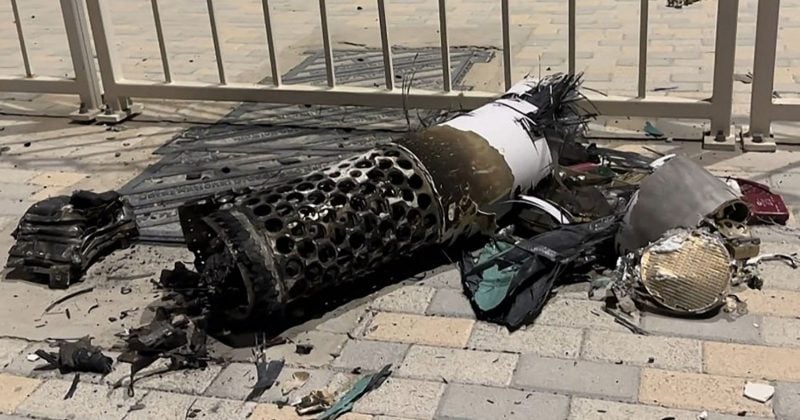
Qatar child injured by shrapnel from Iranian missile interception as Gulf tensions rattle global risk calculus
Escalating military conflict in the Gulf region is forcing crypto investors to reassess geopolitical risk premiums, even as digital assets remain largely insulated from the violence so far.
Three people, including a child, were injured by falling shrapnel in Qatar on July 12 after the country’s defense systems intercepted incoming Iranian missiles. Qatar’s Ministry of Interior confirmed the injuries resulted from debris generated during interception operations against ballistic missile and drone attacks targeting critical infrastructure, including the US-operated Al Udeid Air Base.
All three received immediate medical treatment, and Qatar activated emergency response plans while imposing airspace restrictions. The incident is part of a broader Iran-US conflict that has escalated since late February 2026, with multiple waves of Iranian strikes aimed at Gulf states drawing interceptions from Qatari and allied forces.
A conflict that keeps getting closer to civilians
This wasn’t the first time shrapnel from interception operations has hurt civilians in Qatar. Similar injuries were reported in February and March 2026 as the conflict intensified.
Al Udeid Air Base, which hosts thousands of US military personnel, is located roughly 20 miles southwest of Doha. It’s the largest US military installation in the Middle East.
What this means for markets and the risk landscape
Qatar is the world’s largest exporter of liquefied natural gas. Any disruption to its infrastructure, even a perceived one, sends tremors through energy markets.
The news moving money, markets, and the world—before your day starts.
Daily. Free. Join 34,000+ readers across crypto, finance, and policy.
The digital asset market has so far shown minimal direct reaction to the Gulf hostilities. There’s been no notable flight into Bitcoin as a safe haven tied specifically to these incidents, and no conflict-related tokens or narratives have emerged in the aftermath.
The geopolitical premium crypto investors should be watching
Qatar’s role in global LNG markets is the most obvious pressure point. If Iranian attacks were to damage export infrastructure, or if shipping insurance costs through the Strait of Hormuz spiked further, the downstream effects would be hard for any risk asset to ignore.
The UAE and Qatar have both been building significant crypto regulatory infrastructure. A widening conflict could slow or complicate those efforts.
This is the third time in roughly five months that civilians in a major Gulf financial center have been injured during missile defense operations.