
Nexo Earn with Nexo
Qatari negotiating team visits Tehran to aid US-Iran deal talks

Qatari negotiating team visits Tehran to aid US-Iran deal talks

Qatar dispatches diplomats to Iran's capital as multi-nation mediation effort pushes toward a nuclear peace agreement that could reshape Middle Eastern geopolitics.

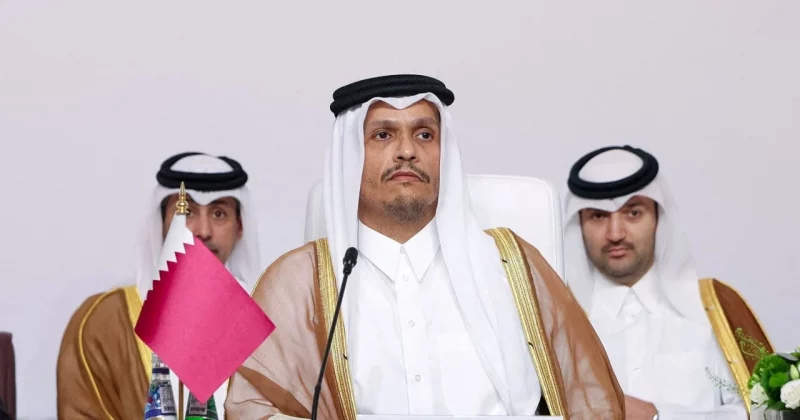
A Qatari negotiating team touched down in Tehran on May 22, aiming to help bridge the gap between Washington and Tehran in what has become one of the most consequential diplomatic efforts in the Middle East in years.

What’s actually happening in Tehran

The current round of US-Iran negotiations traces back to talks that began on April 12, 2025. Pakistan has taken the lead mediator role in these discussions, a position that itself represents a notable shift in regional diplomatic alignments. Qatar is playing a supporting part alongside Egypt and Turkey.

Advertisement

Qatari officials have signaled that patience remains the operative word. Their messaging has emphasized close coordination with Pakistan and the need for more time to work through sticking points that have bedeviled US-Iran relations for decades.

Qatari Prime Minister Mohammed bin Abdulrahman bin Jassim Al Thani has previously traveled to Tehran as part of the diplomatic effort, underscoring how seriously Doha is taking its role.

What this means for markets and investors

Let’s be direct: this diplomatic development has not triggered any measurable movement in crypto markets. No tokens, protocols, or digital assets have been linked to the peace talks.

A successful nuclear agreement between the US and Iran would carry significant implications for global energy markets. Iran sits on some of the world’s largest oil and gas reserves, and a deal that lifts or eases sanctions could increase global supply, potentially lowering energy costs.

Investors monitoring these talks should pay attention to signals from Pakistan’s mediation team, which is driving the process, and to any changes in the diplomatic language coming out of Tehran and Washington. A shift from “patience is needed” to specific timelines or framework announcements would be the clearest indicator that a market-relevant outcome is approaching.

Disclosure: This article was edited by Editorial Team. For more information on how we create and review content, see our Editorial Policy.

Qatari negotiating team visits Tehran to aid US-Iran deal talks

Qatari negotiating team visits Tehran to aid US-Iran deal talks

Qatar dispatches diplomats to Iran's capital as multi-nation mediation effort pushes toward a nuclear peace agreement that could reshape Middle Eastern geopolitics.

A Qatari negotiating team touched down in Tehran on May 22, aiming to help bridge the gap between Washington and Tehran in what has become one of the most consequential diplomatic efforts in the Middle East in years.

What’s actually happening in Tehran

The current round of US-Iran negotiations traces back to talks that began on April 12, 2025. Pakistan has taken the lead mediator role in these discussions, a position that itself represents a notable shift in regional diplomatic alignments. Qatar is playing a supporting part alongside Egypt and Turkey.

Advertisement

Qatari officials have signaled that patience remains the operative word. Their messaging has emphasized close coordination with Pakistan and the need for more time to work through sticking points that have bedeviled US-Iran relations for decades.

Qatari Prime Minister Mohammed bin Abdulrahman bin Jassim Al Thani has previously traveled to Tehran as part of the diplomatic effort, underscoring how seriously Doha is taking its role.

What this means for markets and investors

Let’s be direct: this diplomatic development has not triggered any measurable movement in crypto markets. No tokens, protocols, or digital assets have been linked to the peace talks.

A successful nuclear agreement between the US and Iran would carry significant implications for global energy markets. Iran sits on some of the world’s largest oil and gas reserves, and a deal that lifts or eases sanctions could increase global supply, potentially lowering energy costs.

Investors monitoring these talks should pay attention to signals from Pakistan’s mediation team, which is driving the process, and to any changes in the diplomatic language coming out of Tehran and Washington. A shift from “patience is needed” to specific timelines or framework announcements would be the clearest indicator that a market-relevant outcome is approaching.

Disclosure: This article was edited by Editorial Team. For more information on how we create and review content, see our Editorial Policy.