
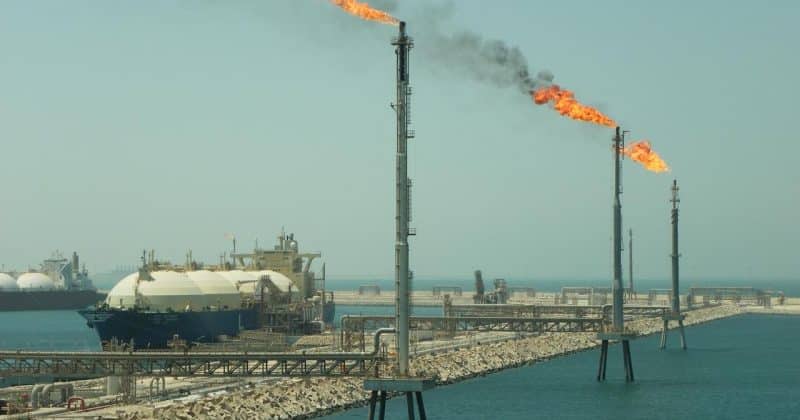
Explosion at QatarEnergy’s Barzan facility injures 54, leaves 18 missing
A technical malfunction during start-up operations at one of the world's most critical gas facilities raises fresh questions about energy infrastructure resilience
An explosion ripped through QatarEnergy’s Barzan gas supply facility on June 21, 2026, injuring 54 people and leaving 18 unaccounted for. The blast occurred at the Ras Laffan Industrial City complex during start-up operations, a phase that followed a period of operational disruption at the site.
Qatari authorities attributed the incident to a technical accident during the restart process. Emergency response teams contained the resulting fire, and officials confirmed that no hazardous leaks were detected in the aftermath, a critical detail given the facility’s role in processing and supplying natural gas.
Qatari officials described the cause as a “technical accident” tied to an “operational error,” though the precise mechanical or procedural failure has not been publicly detailed. The facility had been dealing with prior disruptions before this restart attempt, meaning the infrastructure was already under stress before the blast occurred. Emergency crews responded rapidly enough to prevent the fire from spreading beyond the initial blast zone.
The facility had already experienced interruptions stemming from regional tensions, including previous attacks that damaged parts of the Ras Laffan complex. The June 21 explosion occurred precisely as operations were attempting to normalize following those earlier disruptions.
Macro, rates, and crypto—what moved markets and what matters next.
Daily. Free. Join 34,000+ readers across crypto, finance, and policy.
The 18 missing individuals represent the most urgent concern. Search and rescue operations in damaged gas processing infrastructure are painstaking and dangerous work, complicated by structural instability and the presence of combustible materials. The 54 confirmed injuries span an unknown range of severity.
Qatar is one of the largest exporters of liquefied natural gas worldwide, and the Barzan facility plays a specific role in meeting domestic gas demand while freeing up other production capacity for export. Previous attacks on the Ras Laffan complex had already demonstrated the vulnerability of concentrated energy infrastructure in the region. This technical failure during restart operations adds a second category of risk: not just the threat of external attacks, but the compounding danger that recovery from those attacks introduces its own failure modes.