
Nexo Earn with Nexo
Three explosions reported near Qeshm Island as Strait of Hormuz tensions rattle crypto markets

Three explosions reported near Qeshm Island as Strait of Hormuz tensions rattle crypto markets

Bitcoin slipped below $63K as geopolitical risk in the world's most important oil chokepoint escalated again

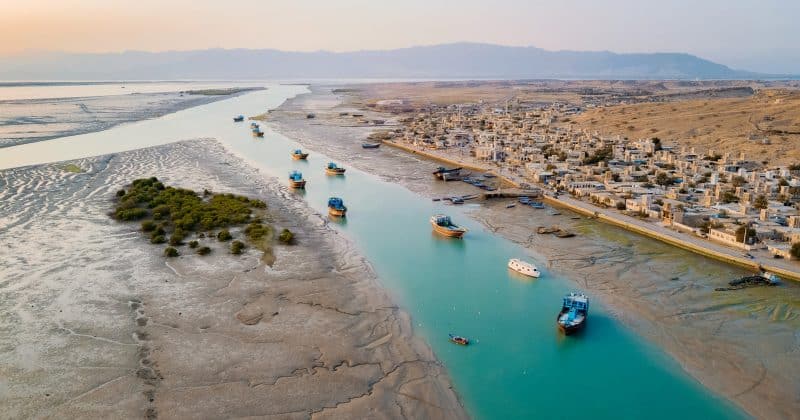
Mehr News Agency reported three explosions south of Qeshm Island, the Iranian landmass sitting right at the mouth of the Strait of Hormuz. That’s the narrow waterway through which roughly 20% of the world’s oil and LNG shipments pass every single day.

The blasts were heard by residents near the communities of Suza and Masen.

What happened and why it matters

The explosions are part of a pattern that has been building between May and early June 2026. Reports from locals describe multiple incidents of loud detonations in and around the Hormozgan province area, with accounts surfacing between June 2 and June 11.

Advertisement

The cause of these particular blasts hasn’t been definitively confirmed. Previous explanations for similar incidents in the region have ranged from controlled disposal of unexploded munitions by Iranian forces to suspected US or Israeli airstrikes targeting military and industrial sites.

The broader context makes these explosions particularly concerning. US strikes have been reported in Hormozgan province, near Bandar Abbas, and at adjacent petrochemical facilities. These developments followed a ceasefire collapse in April 2026.

The crypto market reaction

Bitcoin dropped below $63,000 amid the reports of strikes and explosions in the region. Ethereum took an even harder hit in percentage terms, and altcoin positions saw widespread liquidations.

Historical context and escalation risk

Qeshm Island itself is Iran’s largest island, positioned strategically at the entrance to the strait. Earlier in May, some of the explosions near the island were attributed to Iranian forces conducting controlled disposal of enemy ammunition, suggesting active military operations in the vicinity rather than isolated events.

The pattern of US strikes on Bandar Abbas and nearby petrochemical infrastructure adds another layer. These aren’t random targets. They’re the economic arteries of Iran’s energy sector.

What this means for crypto investors

Bitcoin’s drop below $63,000 reflects a market pricing in sustained uncertainty in a region that directly influences global energy costs. The widespread altcoin liquidations that accompanied this latest round of reports are a reminder that thin liquidity and high leverage are a dangerous combination during geopolitical shocks.

Disclosure: This article was edited by Editorial Team. For more information on how we create and review content, see our Editorial Policy.

Three explosions reported near Qeshm Island as Strait of Hormuz tensions rattle crypto markets

Three explosions reported near Qeshm Island as Strait of Hormuz tensions rattle crypto markets

Bitcoin slipped below $63K as geopolitical risk in the world's most important oil chokepoint escalated again

Mehr News Agency reported three explosions south of Qeshm Island, the Iranian landmass sitting right at the mouth of the Strait of Hormuz. That’s the narrow waterway through which roughly 20% of the world’s oil and LNG shipments pass every single day.

The blasts were heard by residents near the communities of Suza and Masen.

What happened and why it matters

The explosions are part of a pattern that has been building between May and early June 2026. Reports from locals describe multiple incidents of loud detonations in and around the Hormozgan province area, with accounts surfacing between June 2 and June 11.

Advertisement

The cause of these particular blasts hasn’t been definitively confirmed. Previous explanations for similar incidents in the region have ranged from controlled disposal of unexploded munitions by Iranian forces to suspected US or Israeli airstrikes targeting military and industrial sites.

The broader context makes these explosions particularly concerning. US strikes have been reported in Hormozgan province, near Bandar Abbas, and at adjacent petrochemical facilities. These developments followed a ceasefire collapse in April 2026.

The crypto market reaction

Bitcoin dropped below $63,000 amid the reports of strikes and explosions in the region. Ethereum took an even harder hit in percentage terms, and altcoin positions saw widespread liquidations.

Historical context and escalation risk

Qeshm Island itself is Iran’s largest island, positioned strategically at the entrance to the strait. Earlier in May, some of the explosions near the island were attributed to Iranian forces conducting controlled disposal of enemy ammunition, suggesting active military operations in the vicinity rather than isolated events.

The pattern of US strikes on Bandar Abbas and nearby petrochemical infrastructure adds another layer. These aren’t random targets. They’re the economic arteries of Iran’s energy sector.

What this means for crypto investors

Bitcoin’s drop below $63,000 reflects a market pricing in sustained uncertainty in a region that directly influences global energy costs. The widespread altcoin liquidations that accompanied this latest round of reports are a reminder that thin liquidity and high leverage are a dangerous combination during geopolitical shocks.

Disclosure: This article was edited by Editorial Team. For more information on how we create and review content, see our Editorial Policy.