
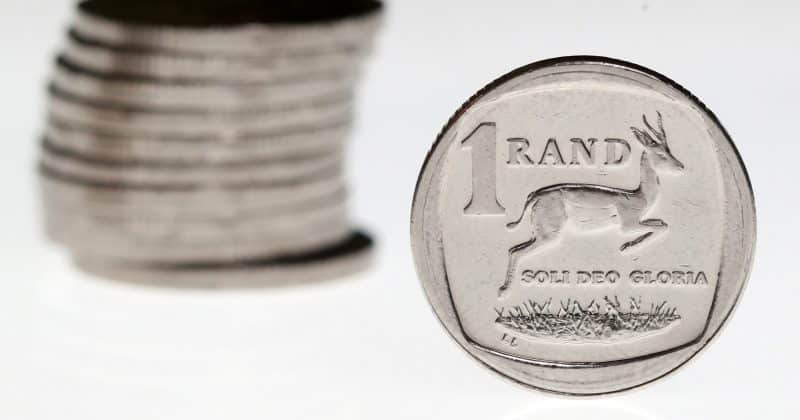
Rand trading jumps 20% in Q1 amid Iran war volatility
Geopolitical tensions from the escalating Iran conflict drove a surge in South African Rand turnover, with ripple effects across forex and crypto markets
When wars start, traders get busy. The South African Rand proved that point in the first quarter of 2026, with average daily trading volumes rising by as much as 20% as the Iran conflict rattled global markets and sent investors scrambling to reprice risk.
What actually happened
The Iran conflict intensified around late February and early March 2026, injecting a fresh wave of uncertainty into markets that were already navigating a complicated macro environment.
For the Rand specifically, that translated into a wide trading range against the US dollar, moving between 16.2 and 18.25 over the quarter.
Brent crude prices surged during the conflict period, adding another layer of stress. South Africa imports the majority of its oil, so rising energy costs feed directly into domestic inflation. Higher oil prices also mean higher fertilizer costs, which ripple through the agricultural sector and squeeze household budgets.
The South African Reserve Bank kept a close eye on rate policy throughout, caught between the need to support a fragile domestic economy and the pressure to defend the currency against external shocks.
Macro, rates, and crypto—what moved markets and what matters next.
Daily. Free. Join 34,000+ readers across crypto, finance, and policy.
Crypto and prediction markets joined the party
Polymarket, the decentralized prediction platform, recorded over $529 million in trading volumes on contracts tied to potential US-Iran military actions during this period.
Bitcoin and other major cryptocurrencies also showed notable price swings tied to the conflict’s trajectory, with risk-off sentiment during escalation followed by relief rallies when peace negotiations appeared to gain traction as June 2026 approached.
What investors should watch
For investors with Rand exposure, the Q1 episode is a reminder that South Africa sits at the intersection of several risk vectors simultaneously. The country is a major commodity exporter, which means it benefits when resource prices rise, but it also imports energy, which means the net effect of an oil price surge is complicated and not straightforwardly positive.
The 16.2 to 18.25 USD/ZAR range during the quarter gives a rough sense of the downside when external shocks hit.
If inflation from energy and food costs proves sticky, the SARB faces pressure to keep rates elevated, which weighs on growth but provides some support for the currency.