
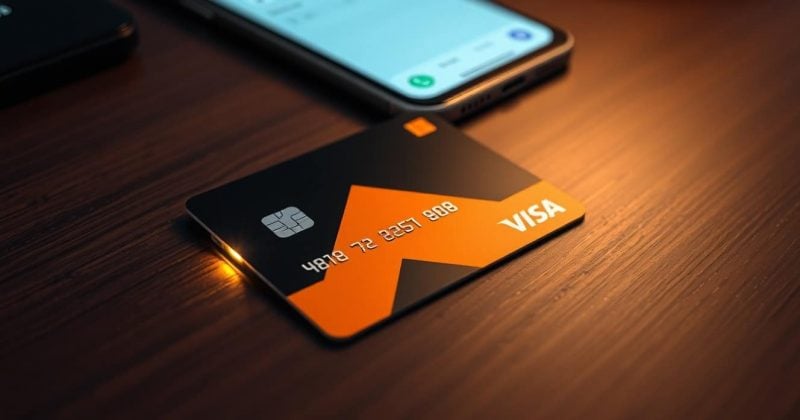
Revolut unveils physical crypto card featuring Dogecoin branding and LED tap-to-pay
CommissionedDisclaimer: Press release commissioned by our commercial partners.
Revolut is betting that Dogecoin holders want to do more than hold. They want to flash their allegiance at the checkout counter, apparently with LED lighting.
The London-headquartered fintech has announced a Dogecoin-branded physical crypto card, the first meme coin-themed entry in its existing Crypto Card product line. The card is rolling out to customers in the UK and European Economic Area, and it comes with a built-in LED display that lights up during contactless tap-to-pay transactions.
How the card actually works
Despite the Dogecoin branding, this card doesn’t actually pay merchants in DOGE. It functions like a standard debit card with a crypto twist: when a user taps to pay, Revolut converts their token balance to fiat currency at the moment of the transaction. The merchant receives pounds, euros, or whatever local currency applies. The user’s DOGE balance goes down.
Revolut’s app currently supports over 280 tokens, and users can link their cards to any of these assets for direct spending. The Dogecoin card doesn’t limit users to spending only DOGE. It’s a branding play layered on top of existing infrastructure.
Why Dogecoin, and why now
Dogecoin has recently been described as sitting in “oversold” territory, a technical condition that, in previous market cycles, has coincided with local price lows.
The news moving money, markets, and the world—before your day starts.
Daily. Free. Join 34,000+ readers across crypto, finance, and policy.
Revolut has been building out its digital asset offerings since 2017, starting with Bitcoin, and has since expanded to over 280 cryptocurrencies. Adding branded physical cards is the next logical step in turning passive crypto holders into active spenders.
What this means for investors
Dogecoin’s on-chain fundamentals remain exactly the same. No new utility has been added to the network. The token’s monetary policy, its infinite supply with a fixed annual issuance, hasn’t budged.
The off-chain nature of these transactions matters. Every card payment is essentially a sell order. If the Dogecoin card proves popular and users start tapping it regularly, that creates consistent, low-level selling pressure on DOGE balances within Revolut’s ecosystem.