
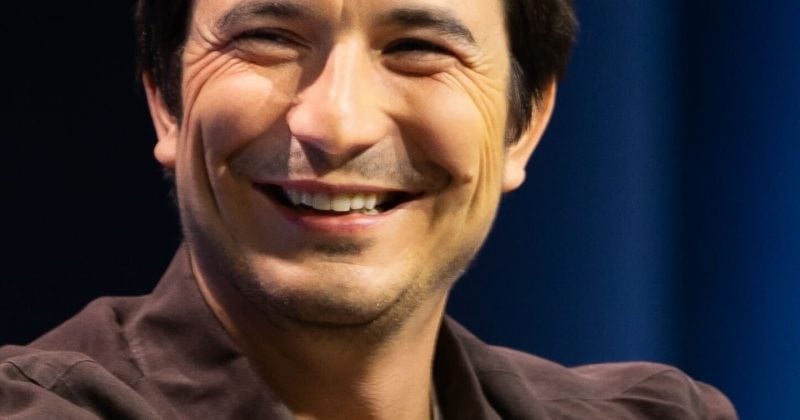
Robinhood CEO Vlad Tenev plans to integrate AI trading tools for users

Robinhood CEO Vlad Tenev plans to integrate AI trading tools for users

The brokerage giant wants to hand retail investors the same AI-powered trading capabilities that hedge funds and institutions have hoarded for years

Vlad Tenev wants to turn every Robinhood user into a mini quant fund. The Robinhood CEO revealed plans during a CNBC interview in July 2026 to roll out what he’s calling “agentic trading,” a system where AI agents execute complex trading strategies on behalf of everyday investors, using the kind of sophisticated tools that have traditionally been locked behind institutional walls.

From beta to 70,000 AI agents

Robinhood launched a beta version of its AI-powered trading tools back in May 2026, and the response was aggressive. More than 70,000 AI agent accounts were created during that initial rollout.

Advertisement

The beta focused on equities, letting AI agents trade stocks and options on users’ behalf. The agents handle the intricate execution work, the kind of multi-leg options strategies and rapid rebalancing that most individual investors wouldn’t attempt manually.

The crypto expansion playbook

The company’s roadmap explicitly includes expanding agentic trading features into cryptocurrency markets. Robinhood already supports trading of major digital assets including Bitcoin, Ethereum, and Dogecoin.

Robinhood has been building its own blockchain, dubbed Robinhood Chain, which the company positions as an AI-native Layer 2 designed specifically for financial services.

The company has also been pushing into tokenized assets. Since June 2025, Robinhood has offered tokenized US stocks in the EU, with more than 200 assets available. Tenev has described tokenization as an “unstoppable freight train” and has predicted what he calls a “tokenization supercycle,” linking the trend directly to AI-driven trading innovations.

Disclosure: This article was edited by Editorial Team. For more information on how we create and review content, see our Editorial Policy.

Robinhood CEO Vlad Tenev plans to integrate AI trading tools for users

Robinhood CEO Vlad Tenev plans to integrate AI trading tools for users

The brokerage giant wants to hand retail investors the same AI-powered trading capabilities that hedge funds and institutions have hoarded for years

Vlad Tenev wants to turn every Robinhood user into a mini quant fund. The Robinhood CEO revealed plans during a CNBC interview in July 2026 to roll out what he’s calling “agentic trading,” a system where AI agents execute complex trading strategies on behalf of everyday investors, using the kind of sophisticated tools that have traditionally been locked behind institutional walls.

From beta to 70,000 AI agents

Robinhood launched a beta version of its AI-powered trading tools back in May 2026, and the response was aggressive. More than 70,000 AI agent accounts were created during that initial rollout.

Advertisement

The beta focused on equities, letting AI agents trade stocks and options on users’ behalf. The agents handle the intricate execution work, the kind of multi-leg options strategies and rapid rebalancing that most individual investors wouldn’t attempt manually.

The crypto expansion playbook

The company’s roadmap explicitly includes expanding agentic trading features into cryptocurrency markets. Robinhood already supports trading of major digital assets including Bitcoin, Ethereum, and Dogecoin.

Robinhood has been building its own blockchain, dubbed Robinhood Chain, which the company positions as an AI-native Layer 2 designed specifically for financial services.

The company has also been pushing into tokenized assets. Since June 2025, Robinhood has offered tokenized US stocks in the EU, with more than 200 assets available. Tenev has described tokenization as an “unstoppable freight train” and has predicted what he calls a “tokenization supercycle,” linking the trend directly to AI-driven trading innovations.

Disclosure: This article was edited by Editorial Team. For more information on how we create and review content, see our Editorial Policy.