
Nexo Earn with Nexo
Marco Rubio reports significant progress on Iran nuclear framework

Marco Rubio reports significant progress on Iran nuclear framework

The US Secretary of State says talks have advanced on preventing Iran from developing nuclear weapons and keeping the Strait of Hormuz open, with implications for crypto market volatility.

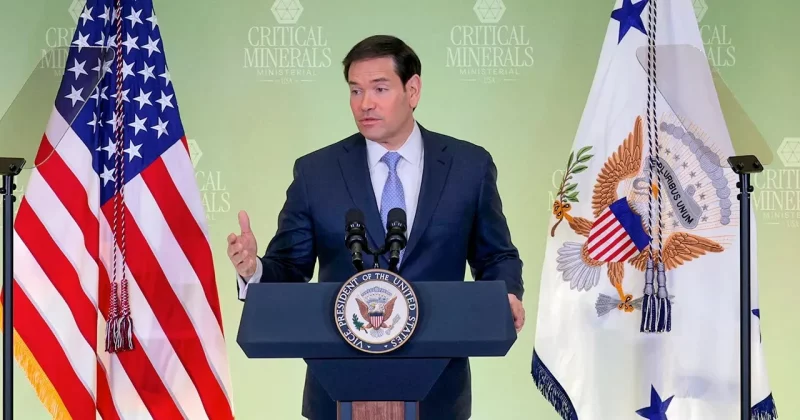
US Secretary of State Marco Rubio announced that significant progress has been made on a framework designed to prevent Iran from developing nuclear weapons and to ensure freedom of navigation through the Strait of Hormuz. The remarks, delivered in mid-May 2026, mark the most optimistic public assessment yet from the Trump administration on one of the world’s most consequential geopolitical standoffs.

What Rubio actually said

Rubio described the negotiations as having made “some progress.” The core US demands remain firm: Iran must not acquire nuclear weapons, and its stockpiles of highly enriched uranium must be eliminated entirely.

Rubio also drew a hard line on the Strait of Hormuz, the narrow waterway through which roughly a fifth of the world’s oil passes daily. Iran had apparently proposed a tolling system for vessels transiting the strait. Rubio called that idea “unacceptable” and “illegal.”

Advertisement

The Secretary of State also offered a candid assessment of Iran’s internal politics, describing the Iranian system as “fractured.” That characterization matters because it suggests the US isn’t dealing with a single unified negotiating partner.

The backstory: from bombs to bargaining tables

These talks didn’t emerge from a vacuum. The current diplomatic track follows military actions the US took against Iranian sites in 2025. The negotiations themselves are indirect, meaning US and Iranian officials aren’t sitting across a table from each other. Instead, intermediaries shuttle proposals back and forth.

The Trump administration has consistently framed its approach as a dual-track strategy: pursue diplomacy, but keep military options visibly on the table. Rubio’s remarks fit neatly within that framework, projecting optimism about talks while making clear that US demands are non-negotiable.

What this means for crypto investors

When tensions escalate in the Middle East, you typically see two competing forces in digital asset markets. Some investors flee to perceived safe havens, which can include Bitcoin for those who view it as digital gold. Others dump risk assets broadly, dragging crypto down alongside equities.

The Strait of Hormuz dimension adds another variable. Any disruption to oil transit through that chokepoint would spike energy prices globally, which feeds into inflation expectations, which influences central bank policy, which ultimately shapes the macro environment that crypto trades in.

The “fractured” nature of Iranian politics, as Rubio described it, introduces a layer of unpredictability. Even if a framework is agreed upon, implementation risk is substantial when the counterparty’s internal power dynamics are unstable. That means even positive headlines from these negotiations deserve skepticism until verifiable steps, like actual uranium removal, begin to materialize.

Disclosure: This article was edited by Editorial Team. For more information on how we create and review content, see our Editorial Policy.

Marco Rubio reports significant progress on Iran nuclear framework

Marco Rubio reports significant progress on Iran nuclear framework

The US Secretary of State says talks have advanced on preventing Iran from developing nuclear weapons and keeping the Strait of Hormuz open, with implications for crypto market volatility.

US Secretary of State Marco Rubio announced that significant progress has been made on a framework designed to prevent Iran from developing nuclear weapons and to ensure freedom of navigation through the Strait of Hormuz. The remarks, delivered in mid-May 2026, mark the most optimistic public assessment yet from the Trump administration on one of the world’s most consequential geopolitical standoffs.

What Rubio actually said

Rubio described the negotiations as having made “some progress.” The core US demands remain firm: Iran must not acquire nuclear weapons, and its stockpiles of highly enriched uranium must be eliminated entirely.

Rubio also drew a hard line on the Strait of Hormuz, the narrow waterway through which roughly a fifth of the world’s oil passes daily. Iran had apparently proposed a tolling system for vessels transiting the strait. Rubio called that idea “unacceptable” and “illegal.”

Advertisement

The Secretary of State also offered a candid assessment of Iran’s internal politics, describing the Iranian system as “fractured.” That characterization matters because it suggests the US isn’t dealing with a single unified negotiating partner.

The backstory: from bombs to bargaining tables

These talks didn’t emerge from a vacuum. The current diplomatic track follows military actions the US took against Iranian sites in 2025. The negotiations themselves are indirect, meaning US and Iranian officials aren’t sitting across a table from each other. Instead, intermediaries shuttle proposals back and forth.

The Trump administration has consistently framed its approach as a dual-track strategy: pursue diplomacy, but keep military options visibly on the table. Rubio’s remarks fit neatly within that framework, projecting optimism about talks while making clear that US demands are non-negotiable.

What this means for crypto investors

When tensions escalate in the Middle East, you typically see two competing forces in digital asset markets. Some investors flee to perceived safe havens, which can include Bitcoin for those who view it as digital gold. Others dump risk assets broadly, dragging crypto down alongside equities.

The Strait of Hormuz dimension adds another variable. Any disruption to oil transit through that chokepoint would spike energy prices globally, which feeds into inflation expectations, which influences central bank policy, which ultimately shapes the macro environment that crypto trades in.

The “fractured” nature of Iranian politics, as Rubio described it, introduces a layer of unpredictability. Even if a framework is agreed upon, implementation risk is substantial when the counterparty’s internal power dynamics are unstable. That means even positive headlines from these negotiations deserve skepticism until verifiable steps, like actual uranium removal, begin to materialize.

Disclosure: This article was edited by Editorial Team. For more information on how we create and review content, see our Editorial Policy.