
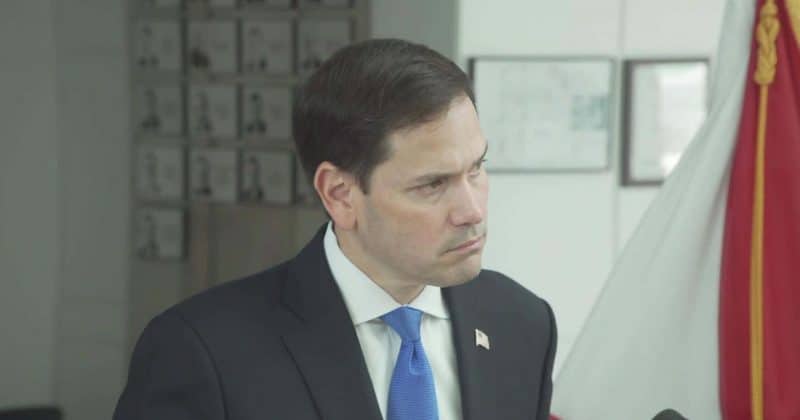
Marco Rubio rejects Hormuz tolls amid US-Iran deal talks

Marco Rubio rejects Hormuz tolls amid US-Iran deal talks

The US secretary of state drew a hard line on Strait of Hormuz tolls during Abu Dhabi visit, calling any such proposal incompatible with international law and a threat to ongoing nuclear diplomacy.

There are negotiating tactics, and then there are deal-breakers. Iran’s proposal to charge tolls on shipping traffic through the Strait of Hormuz apparently lands firmly in the second category.

US Secretary of State Marco Rubio, speaking during a visit to Abu Dhabi on June 23, rejected any framework that would allow Iran to levy fees on vessels transiting the strait. His position was straightforward: international law already prohibits tolling international waterways, and the US has no intention of treating that as a negotiable point.

Why the Strait of Hormuz is non-negotiable

The narrow channel between Iran and Oman handles roughly 20 to 21 million barrels of oil per day, representing somewhere between 20 and 25 percent of all global maritime oil trade.

Advertisement

Rubio made clear that any tolling system on Hormuz would directly undermine the viability of a broader US-Iran diplomatic agreement.

Where the broader Iran talks stand

Earlier rounds of talks in Switzerland produced a memorandum of understanding that included a 60-day no-toll period and outlined a potential joint Iran-Oman administration of the strait.

Rubio’s May 21 statement had already flagged that implementing tolls would jeopardize diplomatic progress. The June 23 remarks in Abu Dhabi reinforced that this is a consistent US position.

What this means for energy markets and crypto investors

Bitcoin traded in the range of $71,000 to $77,000 during the period of heightened geopolitical uncertainty in May 2026, as investors processed the implications of US-Iran tensions and their potential impact on energy prices and global risk appetite.

Rubio’s firm rejection of tolls removes one specific risk scenario from the table, at least for now. The reassurance that the US will not accept a framework that restricts free passage provides a degree of near-term stability for energy markets, even as the broader diplomatic process remains unresolved.

Disclosure: This article was edited by Editorial Team. For more information on how we create and review content, see our Editorial Policy.

Marco Rubio rejects Hormuz tolls amid US-Iran deal talks

Marco Rubio rejects Hormuz tolls amid US-Iran deal talks

The US secretary of state drew a hard line on Strait of Hormuz tolls during Abu Dhabi visit, calling any such proposal incompatible with international law and a threat to ongoing nuclear diplomacy.

There are negotiating tactics, and then there are deal-breakers. Iran’s proposal to charge tolls on shipping traffic through the Strait of Hormuz apparently lands firmly in the second category.

US Secretary of State Marco Rubio, speaking during a visit to Abu Dhabi on June 23, rejected any framework that would allow Iran to levy fees on vessels transiting the strait. His position was straightforward: international law already prohibits tolling international waterways, and the US has no intention of treating that as a negotiable point.

Why the Strait of Hormuz is non-negotiable

The narrow channel between Iran and Oman handles roughly 20 to 21 million barrels of oil per day, representing somewhere between 20 and 25 percent of all global maritime oil trade.

Advertisement

Rubio made clear that any tolling system on Hormuz would directly undermine the viability of a broader US-Iran diplomatic agreement.

Where the broader Iran talks stand

Earlier rounds of talks in Switzerland produced a memorandum of understanding that included a 60-day no-toll period and outlined a potential joint Iran-Oman administration of the strait.

Rubio’s May 21 statement had already flagged that implementing tolls would jeopardize diplomatic progress. The June 23 remarks in Abu Dhabi reinforced that this is a consistent US position.

What this means for energy markets and crypto investors

Bitcoin traded in the range of $71,000 to $77,000 during the period of heightened geopolitical uncertainty in May 2026, as investors processed the implications of US-Iran tensions and their potential impact on energy prices and global risk appetite.

Rubio’s firm rejection of tolls removes one specific risk scenario from the table, at least for now. The reassurance that the US will not accept a framework that restricts free passage provides a degree of near-term stability for energy markets, even as the broader diplomatic process remains unresolved.

Disclosure: This article was edited by Editorial Team. For more information on how we create and review content, see our Editorial Policy.