
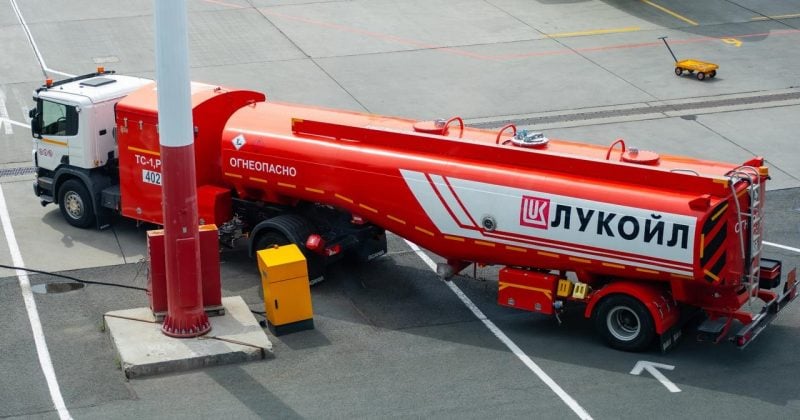
Russia bans aviation fuel exports until November 30 amid domestic supply concerns
The first-ever ban on jet fuel exports reflects the mounting toll of Ukrainian drone strikes on Russian refining capacity, now at a 16-year low.
Russia has imposed a complete ban on aviation fuel exports, effective immediately through November 30, 2026. It’s the first time in the country’s history that jet fuel shipments abroad have been entirely prohibited.
The move comes as Russian crude-processing rates have fallen to their lowest point in over 16 years, a direct consequence of sustained Ukrainian drone strikes on oil refineries and energy infrastructure across the country.
What’s actually happening
The ban, announced on June 1, 2026, halts rail shipments of jet fuel that were predominantly headed to Central Asian nations. Kazakhstan, Kyrgyzstan, Tajikistan, and Uzbekistan were the primary recipients of these exports.
Russian government officials framed the decision as a stability measure for the domestic fuel market.
Macro, rates, and crypto—what moved markets and what matters next.
Daily. Free. Join 34,000+ readers across crypto, finance, and policy.
This isn’t Russia’s first foray into export restrictions on refined fuels. The country had already imposed limitations on gasoline exports as domestic supply pressures mounted throughout the conflict with Ukraine.
The volumes of aviation fuel that Russia was exporting were relatively modest in global terms. Analysts expect minimal immediate impact on worldwide fuel markets.
The refinery problem that won’t go away
Ukrainian drone campaigns have systematically targeted Russian refining infrastructure. Crude-processing output hitting a 16-year low isn’t a temporary blip. It represents a structural degradation of Russia’s ability to turn raw crude oil into usable products like gasoline, diesel, and jet fuel.