
Russia bans diesel exports after ukraine’s refinery attacks

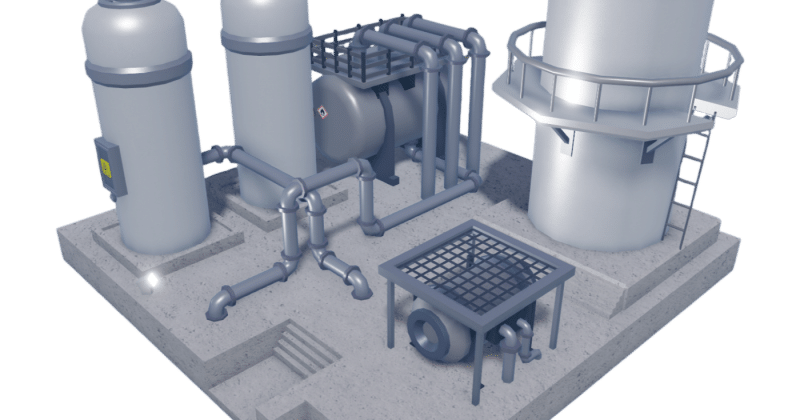
https://industrialist.miraheze.org/wiki/Advanced_Diesel_Refinery

Russia bans diesel exports after ukraine’s refinery attacks

Russia cities entry by December 31, 2026

Russia has announced a ban on diesel exports in response to Ukraine’s recent drone attacks that have severely impacted its refining capabilities. The strategic move comes after Ukraine’s strikes reportedly disabled approximately 25% of Russia’s oil refining capacity, targeting key installations such as the Ryazan and Moscow refineries. This development highlights the escalating tensions between the two nations, which have been in conflict since 2022. The ban suggests that Russia is prioritizing domestic fuel needs over export revenues amid mounting economic pressures.

Advertisement

The impact of this ban on prediction markets is notable. The likelihood of increased military activity in the region appears to have influenced markets related to potential Russian military advances. Specifically, scenarios suggesting Russian entry into Ukrainian cities such as Sloviansk and Druzkhivka by the end of 2026 have shown shifts in market prices.

Key Takeaways

  • Russia’s diesel export ban suggests a significant response to Ukraine’s deep-strike capabilities, impacting its energy independence.
  • Market pricing indicates increased likelihood of Russian military advances, consistent with the escalating conflict.
  • Scenarios involving Russian entry into specific Ukrainian cities appear more plausible following recent developments.

What to Watch

Observers will be monitoring Russia’s military movements and any potential strategic shifts in the conflict. Further attacks on Russian infrastructure or responses from international actors such as NATO could significantly influence market perceptions. Developments in diplomatic efforts or changes in military strategies by either side may also alter the current trajectory of the conflict. Markets will likely reflect these evolving factors.

Get prediction market intelligence as a structured API feed. Early access waitlist.

Disclosure: This article was edited by Estefano Gomez. For more information on how we create and review content, see our Editorial Policy.

Russia bans diesel exports after ukraine’s refinery attacks

Russia bans diesel exports after ukraine’s refinery attacks

Russia cities entry by December 31, 2026

https://industrialist.miraheze.org/wiki/Advanced_Diesel_Refinery

Russia has announced a ban on diesel exports in response to Ukraine’s recent drone attacks that have severely impacted its refining capabilities. The strategic move comes after Ukraine’s strikes reportedly disabled approximately 25% of Russia’s oil refining capacity, targeting key installations such as the Ryazan and Moscow refineries. This development highlights the escalating tensions between the two nations, which have been in conflict since 2022. The ban suggests that Russia is prioritizing domestic fuel needs over export revenues amid mounting economic pressures.

Advertisement

The impact of this ban on prediction markets is notable. The likelihood of increased military activity in the region appears to have influenced markets related to potential Russian military advances. Specifically, scenarios suggesting Russian entry into Ukrainian cities such as Sloviansk and Druzkhivka by the end of 2026 have shown shifts in market prices.

Key Takeaways

  • Russia’s diesel export ban suggests a significant response to Ukraine’s deep-strike capabilities, impacting its energy independence.
  • Market pricing indicates increased likelihood of Russian military advances, consistent with the escalating conflict.
  • Scenarios involving Russian entry into specific Ukrainian cities appear more plausible following recent developments.

What to Watch

Observers will be monitoring Russia’s military movements and any potential strategic shifts in the conflict. Further attacks on Russian infrastructure or responses from international actors such as NATO could significantly influence market perceptions. Developments in diplomatic efforts or changes in military strategies by either side may also alter the current trajectory of the conflict. Markets will likely reflect these evolving factors.

Get prediction market intelligence as a structured API feed. Early access waitlist.

Disclosure: This article was edited by Estefano Gomez. For more information on how we create and review content, see our Editorial Policy.